Head shape
Fit & Sizing
A helmet that does not fit does not protect. Measure your head, find your shape, and buy the right size the first time.

Fit is not comfort — it is protection. A helmet that is too big rotates on impact and can come off entirely; a helmet in the wrong internal shape creates pressure points that turn a two-hour ride into a headache and push riders toward a size too large. Getting fit right is the difference between gear that works and gear that fails you at the worst moment.
Two variables decide fit. Sizecomes from measuring the circumference of your head at its widest — just above the eyebrows — and matching it to the manufacturer's chart (they differ, so measure for each brand). Shape is the one most people never consider: human heads are round, intermediate oval, or long oval when viewed from above, and helmet brands are designed around one of those. Shoei and Arai run more toward intermediate/long oval; HJC and Bell often suit rounder heads. The wrong shape hurts no matter the size.
A correctly fitted helmet is snug everywhere with no pressure points. It should grip your cheeks, move your scalp when you rotate it rather than sliding over your skin, and stay put when you push up on the chin bar with the strap done up. The cheek pads will compress 15–20% after break-in, so a new helmet should feel firm — if it is comfortable in the shop, it will be loose in a month.
Start with how to measure your helmet size, then find your head shape so you buy from a brand built for your head. Do these two things and you will skip the most common reason riders return helmets.
Everything in this hub
Fit & Sizing guides & picks
- Pillar guide
Pillar guide
Motorcycle Helmet Head Shapes
Round, intermediate and long oval explained — how to find yours and which brands fit it.
- Buyer's guide
Buyer's guide
How to Measure Helmet Size
Measure your head circumference correctly and match it to any brand's chart.
- Buyer's guide
Buyer's guide
How Should a Helmet Fit?
The hands-on checks for a correct fit: roll-off test, cheek grip, break-in and replacement.
- Buyer's guide
Buyer's guide
Motorcycle Helmet Size Chart
Head circumference mapped to XS-2XL, how to measure, and why brand charts differ.
- Buyer's guide
Buyer's guide
How to Break In a Motorcycle Helmet
What really breaks in (pads, not the shell), how a new helmet should feel, and when pain means return it.
Buyer's guide
Motorcycle Helmet Pressure Points
Diagnosing helmet pressure points: forehead means too round, temples mean too long, crown means the wrong size - and what to do about each.
3 picks · 3 with live prices
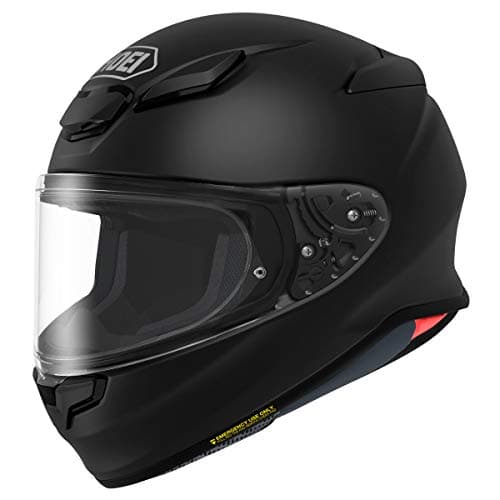
Top pick: Shoei RF-1400
$549.99Amazon