First to hit
Motorcycle Gloves
Your hands hit the road first, every time. The protection features that matter, and how to size them right.
We earn a commission when you buy through our Amazon links, at no extra cost to you. It never affects our rankings, and we say so when the cheaper gear is the better buy. How this works.
In almost every low-side and high-side, the hands go down first — it is reflex, and you cannot train it away. That makes gloves the highest- leverage cheap purchase in motorcycling: good ones cost less than a tank of premium and are the difference between road rash on your palms and no road rash at all.
The certification to look for is EN 13594, the CE standard for motorcycle gloves, rated 1 or 2 (2 is the higher abrasion and burst threshold). Past the label, the features that matter are a palm slider (so a sliding hand skates instead of catching and tumbling your wrist), hard or reinforced knuckle protection, and a secure wrist closure — a glove that can be pulled off in a slide protects nothing. Everything else is comfort and weather.
The category splits by season. Summer gloves are perforated and short for airflow; all-season gloves add a waterproof membrane and insulation; winter gloves go gauntlet-style and thick, trading some feel for warmth; and race gauntlets go all-in on protection. Price mostly buys better leather, a real membrane, and touchscreen fingertips — nice, but the protection features come first.
Sizing is where people go wrong: a loose glove twists on your hand and the armor ends up in the wrong place. Measure your palm circumference, size for a snug fit with no fingertip gap, and check our glove-sizing guide. If you buy one upgrade this season, make it gloves.
Smaller hands have a harder version of that problem. Women's glove sizes do not line up with men's: on the Alpinestars chart a women's medium covers the same hand as a men's small, and the women's range starts a full inch smaller than the men's. Our best women's motorcycle gloves ranking only includes women's-pattern gloves that publish an EN 13594 level with a KP knuckle rating.
Everything in this hub
Gloves guides & picks
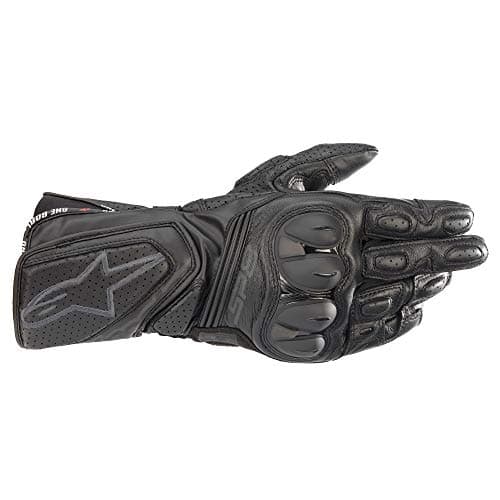
Roundup
The Best Motorcycle Gloves
Summer to winter gloves ranked on CE cert, knuckle and palm protection, and fit.
5 picks · 5 with live prices
Top pick: Alpinestars SP-8 V3
$124.95AmazonHead to head
Short vs Gauntlet Motorcycle Gloves
Short cuff vs gauntlet, decided on coverage, comfort and weather.
2 picks · 2 with live prices
Top pick: Alpinestars SP-8 V3
$124.95Amazon- Buyer's guide
Buyer's guide
How to Size Motorcycle Gloves
Measure your palm, read the chart, and fit gloves snug so the armor sits right.
Roundup
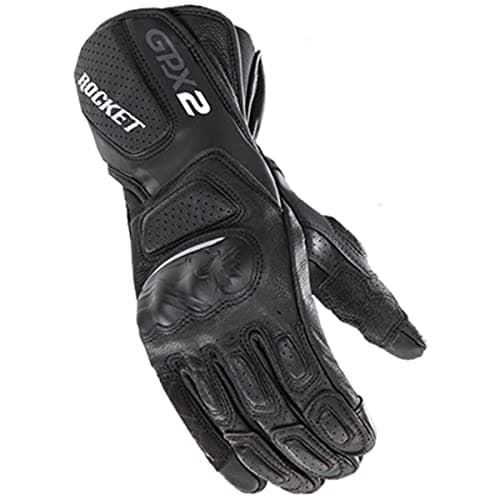
The Best Summer Motorcycle Gloves
Ventilated, short-cuff and perforated gloves with knuckle protection, ranked on airflow and value.
3 picks · 3 with live prices
Top pick: Joe Rocket GPX 2.0
$39.85AmazonRoundup
The Best Leather Motorcycle Gloves
Leather gloves ranked on abrasion resistance, knuckle armor, feel and value — gauntlet to short cuff.
4 picks · 4 with live prices
Top pick: Alpinestars SP-8 V3
$124.95Amazon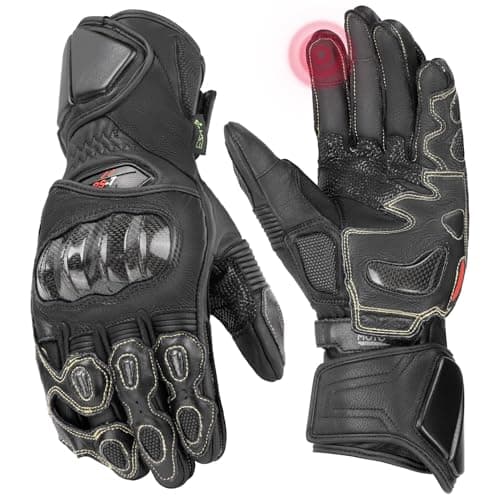
Roundup
The Best Affordable Motorcycle Gloves
Affordable gloves that still protect, ranked on knuckle armor, palm, cuff and abrasion material.
3 picks · 3 with live prices
Top pick: Kemimoto Leather Gloves
$79.99Amazon- Buyer's guide
Buyer's guide
Do You Need Motorcycle Gloves?
Why gloves matter, what they protect, the minimum features, and how needs change by season.
- Buyer's guide
Buyer's guide
How to Choose Motorcycle Gloves
The glove buying decision in order: certification, protection, material, cuff, fit and season.
Roundup
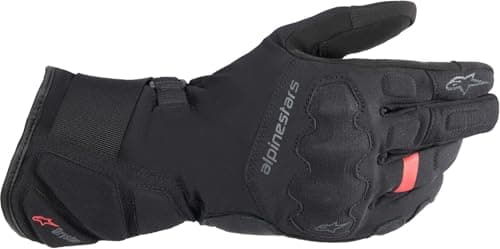
The Best Winter Motorcycle Gloves
Winter gloves ranked on waterproof membrane, insulation weight, knuckle armor and bar feel.
4 picks · 4 with live prices
Top pick: Alpinestars Tourer W-7 V2 Drystar
$129.95Amazon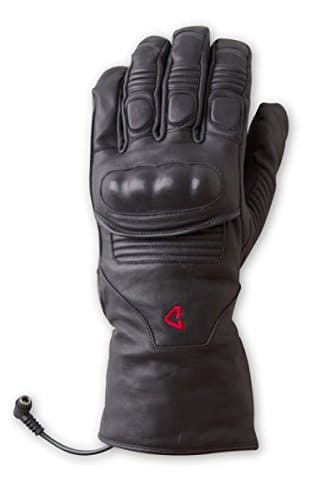
Roundup
The Best Heated Motorcycle Gloves
Heated gloves compared on power source, heat output, run time and protection - with the certification caveat stated plainly.
4 picks · 4 with live prices
Top pick: Gerbing 12V Vanguard
$171.59Amazon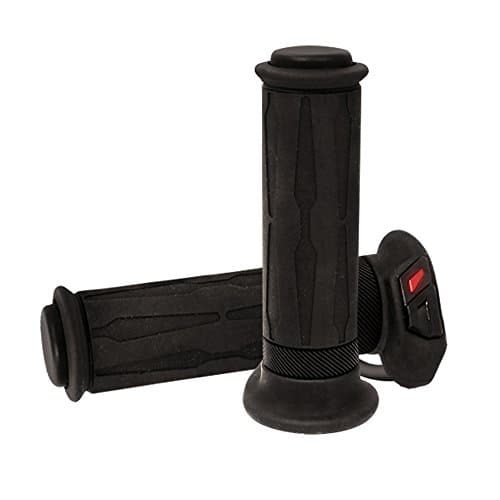
Roundup
The Best Heated Motorcycle Grips
Hardwired grip sets ranked on bar fitment, published heat levels and controller design, with the electrical checks to do first.
5 picks · 5 with live prices
Top pick: Koso Apollo Heated Grips
$128.24AmazonHead to head
Heated Grips vs Heated Gloves
Palms from the bike versus the whole hand from a battery. What each actually heats, what each costs, and who should buy which.
4 picks · 4 with live prices
Top pick: Koso Apollo Heated Grips
$128.24Amazon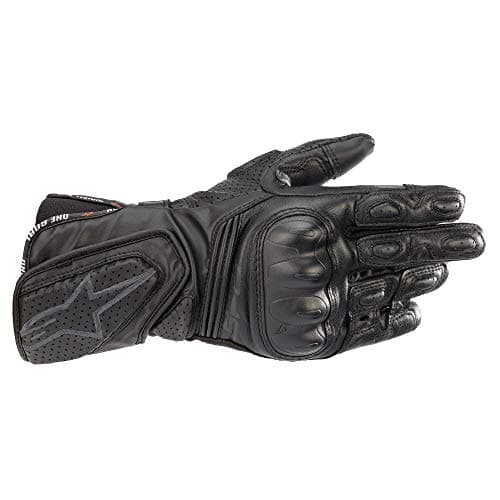
Roundup
The Best Women's Motorcycle Gloves
Women's-pattern gloves ranked on published EN 13594 Level 1 KP certification, sizing, protection hardware and weather.
4 picks · 4 with live prices
Top pick: Alpinestars Stella SP-8 V3
$124.00AmazonBuyer's guide
EN 13594 Explained
How to read a motorcycle glove's CE certification: EN 13594 Level 1 vs Level 2, the KP knuckle mark, and why most gloves publish nothing at all.
3 picks · 3 with live prices
Top pick: Alpinestars SP-8 V3
$124.95AmazonHead to head
Leather vs Textile Motorcycle Gloves
What leather and textile gloves are each genuinely better at, why EN 13594 does not rate the material, and how to pick by season instead.
4 picks · 4 with live prices
Top pick: Alpinestars SP-8 V3
$124.95Amazon