The trust anchor
Safety & Certification
The standards that actually decide protection — DOT, ECE 22.06 and Snell — explained in plain English, with the source documents linked.
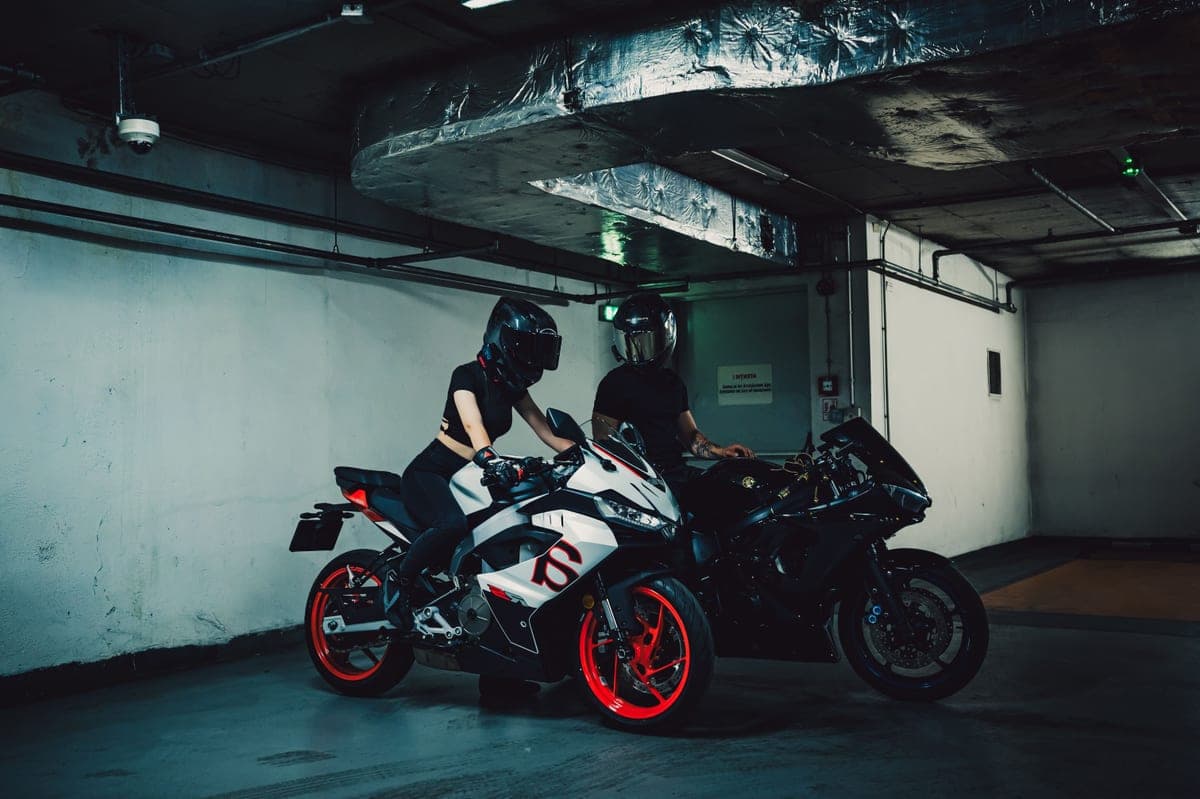
This is the hub the rest of the site is built on. Before a helmet is a brand or a price or a paint scheme, it is either certified to a real standard or it is not — and understanding those standards is the single most useful thing a rider can learn. So we explain them properly, and we link the actual regulations, not a summary of a summary.
Three names come up. DOT (US FMVSS No. 218) is the legal minimum to sell a street helmet in the United States; it is self-certified by the manufacturer with government spot-checks. ECE 22.06 is the current United Nations / European standard, enforced since 2024, and it is the most demanding volume test in the world — it adds rotational-impact and multi-point testing DOT does not. Snell M2020/M2025 is a voluntary private standard, batch-tested independently, that many track-day organizations require.
The honest short version: a helmet certified to both DOT and ECE 22.06 is held to a genuinely rigorous bar, and that combination is what we look for on nearly every pick. Snell on top is a bonus, especially for track riders. What you should not do is trust a "novelty" helmet with only a fake sticker — those exist, and this hub shows you how to tell.
Start with DOT vs ECE vs Snell, then learn to read the certification sticker so you can verify any helmet in a shop in ten seconds. Everything on the buying side of this site links back here.
Everything in this hub
Safety & Certification guides & picks
- Pillar guide
Pillar guide
DOT vs ECE vs Snell: Helmet Certifications Explained
The three helmet standards compared: who tests them, what they check, and which stickers matter.
- Buyer's guide
Buyer's guide
ECE 22.06 Explained
What ECE 22.06 changed over 22.05, the new rotational test, and why it is the standard to look for.
- Buyer's guide
Buyer's guide
How to Read a Helmet Certification Sticker
Where the DOT, ECE and Snell labels are, what the codes mean, and how to spot a fake.
- Buyer's guide
Buyer's guide
How Long Do Motorcycle Helmets Last?
Why helmets expire, the ~5-year rule, and the exact signs it's time to replace yours.
- Buyer's guide
Buyer's guide
Are Expensive Motorcycle Helmets Safer?
What certification guarantees, what price really buys, and why fit beats brand for protection.
- Buyer's guide
Buyer's guide
How to Properly Wear a Motorcycle Helmet
Putting it on, the chin-strap and roll-off tests, and the wearing mistakes that cost protection.
- Buyer's guide
Buyer's guide
The Safest Motorcycle Helmet: What Actually Decides It
The five variables that decide how safe a helmet is, ranked by how much each one actually changes your outcome.
- Buyer's guide
Buyer's guide
What Is MIPS on a Motorcycle Helmet?
The MIPS low-friction layer explained: the rotational injury it targets, and when the badge is worth paying for.
Buyer's guide
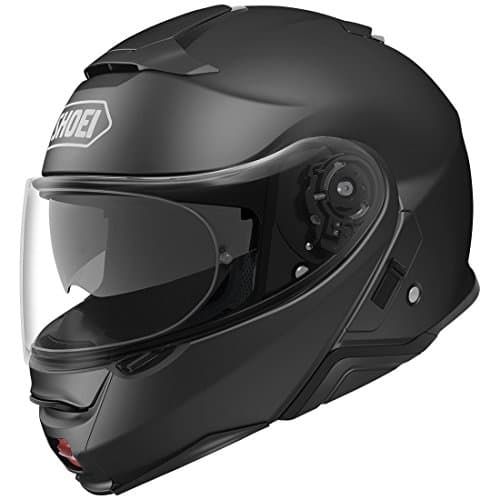
Are Modular Helmets Safe?
The honest answer on modular helmet safety: what P and P/J homologation mean, what the hinge does and does not cost you, and the one claim to distrust.
4 picks · 4 with live prices
Top pick: Shoei Neotec II
$699.99Amazon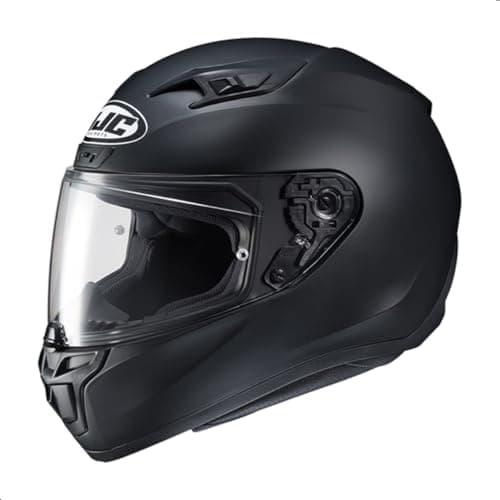
Buyer's guide
Should You Buy a Used Motorcycle Helmet?
Why a used helmet is the one piece of gear not worth buying second-hand, what you genuinely cannot verify, and the certified new options that cost less than you think.
3 picks · 3 with live prices
Top pick: HJC i10
$135.99AmazonBuyer's guide
Does Dropping a Helmet Ruin It?
What a dropped helmet actually risks, how to inspect one, which drops matter and when replacement is the only honest answer.
3 picks · 3 with live prices
Top pick: HJC i10
$135.99Amazon