The lid
Motorcycle Helmets
The one piece of gear that is never optional. Ranked on the certifications and specs that actually decide protection — with live prices.
We earn a commission when you buy through our Amazon links, at no extra cost to you. It never affects our rankings, and we say so when the cheaper gear is the better buy. How this works.
A helmet is the only purchase on this whole site where a wrong pick is measured in more than money. So we start where the marketing does not: the certification label inside the shell, the weight on the spec sheet, and whether it fits the shape of your head. Everything else — graphics, brand story, the number of vents — comes after.
The category divides three ways that matter. First by type: full-face (the most coverage, the quietest), modular (a chin bar that lifts, for touring and glasses), open-face and half (cruiser style, far less protection), and adventure/dual-sport (a peak and a big eye-port for off-road). Second by certification: DOT is the US legal minimum, ECE 22.06 is the current European standard and the most demanding volume test, and Snell M2020/M2025 is a voluntary private standard many track riders look for. Third by fit — internal shape (round, intermediate, or long oval) decides comfort far more than the size letter on the box.
What decides price is mostly shell material and homologation cost. A $150 helmet is usually an injected polycarbonate shell; $400–$700 buys a fiberglass or carbon-composite shell that is lighter and often carries ECE 22.06 plus Snell. Lighter is not just comfort — less rotational mass means less strain on your neck over a long day and in a get-off. But a cheaper DOT-and-ECE helmet that fits your head correctly protects you better than an expensive one that does not, because a helmet that moves on impact is not doing its job.
The mistake we see most: buying by brand or looks and guessing the size. Measure your head, learn your shape, and read the certification sticker before you read the reviews. Our DOT vs ECE vs Snell explainer and the measuring guide are the two pages to read first — then come back and pick.
Eye protection lives here too, because on some helmets it is a separate purchase. A dirt or motocross shell has no face shield at all, and an open-face is bare until you add one — so our motorcycle goggle ranking and our anti-fog insert ranking cover the two halves of seeing clearly. Goggles are the one category here where most makers publish no safety standard at all, which is exactly the kind of gap this site exists to point out.
One more warning worth reading before you shop the cheap end. Uncertified novelty shells cluster in two shapes — half helmets and vintage-look lids — and they are sold with a not-for-highway-use line buried in the listing. Our half helmet ranking covers the certified picks and, more usefully, the exact label wording the federal regulation requires, so you can rule one out in ten seconds.
Everything in this hub
Helmets guides & picks
Roundup
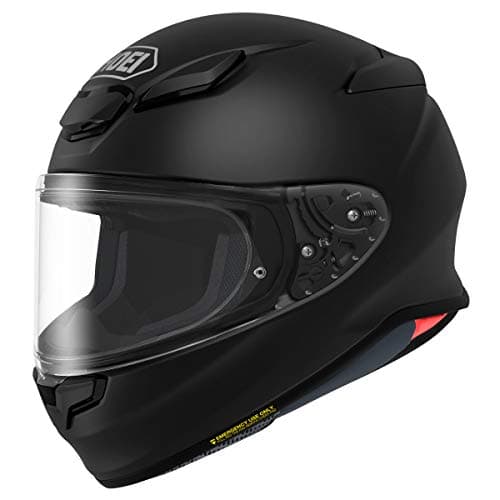
The Best Motorcycle Helmets
Premium to budget, every pick DOT-certified at minimum, ranked on cert, shell and fit.
6 picks · 6 with live prices
Top pick: Shoei RF-1400
$549.99Amazon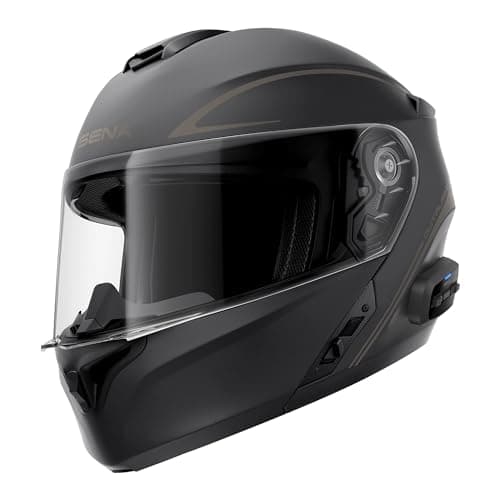
Roundup
The Best Bluetooth Motorcycle Helmets
Integrated-comms lids ranked on sound, integration and value — all DOT certified.
3 picks · 3 with live prices
Top pick: Sena Outrush R
$359.00Amazon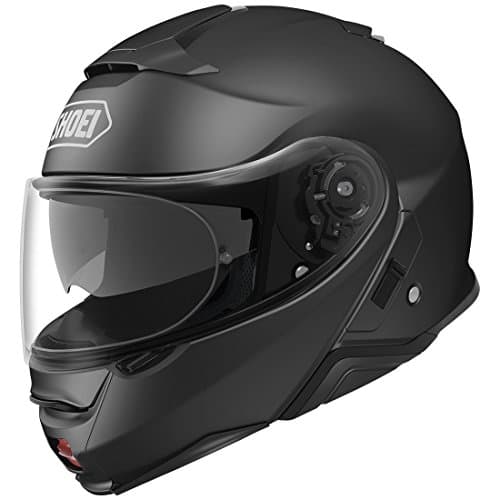
Roundup
The Best Modular Motorcycle Helmets
Flip-up touring lids ranked on cert, quiet and value — premium to budget.
5 picks · 5 with live prices
Top pick: Shoei Neotec II
$699.99AmazonHead to head
Shoei vs Arai
The premium-brand debate, decided on cert, shell, fit and price.
2 picks · 2 with live prices
Top pick: Shoei RF-1400
$549.99Amazon- Buyer's guide
Buyer's guide
How to Choose a Motorcycle Helmet
The buying decision in order: certification, type, fit, shape, weight, features.
- Buyer's guide
Buyer's guide
Types of Motorcycle Helmets
Every helmet type, its protection trade-offs, and the rider it suits.
Roundup
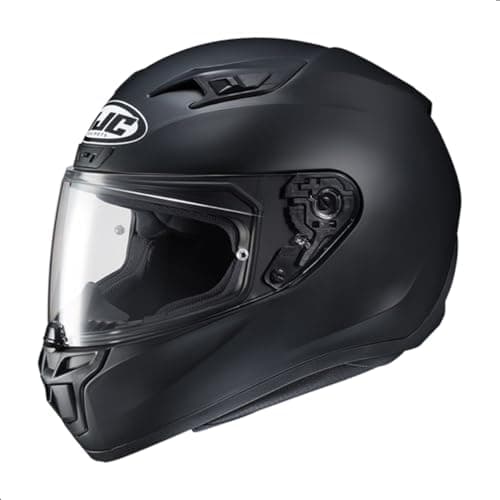
The Best Motorcycle Helmets for Beginners
Safe, affordable first lids ranked on certification, forgiving fit and value — every pick DOT-certified at minimum.
6 picks · 6 with live prices
Top pick: HJC i10
$135.99AmazonRoundup
The Best Full-Face Motorcycle Helmets
Every pick DOT-certified at a minimum, ranked on cert, shell, weight and fit — premium to budget.
6 picks · 6 with live prices
Top pick: Shoei RF-1400
$549.99AmazonRoundup
The Best Motorcycle Helmets for Women
Certified lids that come in smaller shells and suit rounder-to-intermediate heads, ranked on fit and value.
6 picks · 6 with live prices
Top pick: HJC i10
$135.99AmazonRoundup
The Quietest Motorcycle Helmets
Certified low-noise lids ranked on shell sealing, aero and fit — for long, quieter rides.
5 picks · 5 with live prices
Top pick: Shoei Neotec II
$699.99AmazonRoundup
The Best Motorcycle Helmets for Glasses
Certified lids with glasses-friendly eye-ports, channels and sun visors, ranked for spectacle wearers.
5 picks · 5 with live prices
Top pick: Shoei Neotec II
$699.99AmazonRoundup
The Best Motorcycle Helmets for Cruisers
Certified cruiser-friendly lids ranked on protection, classic looks and comfort — full-face to convertible.
5 picks · 5 with live prices
Top pick: HJC i10
$135.99Amazon- Buyer's guide
Buyer's guide
How to Clean a Motorcycle Helmet
The safe way to clean the shell, visor and liner — and the products that quietly wreck a helmet.
Roundup
The Best Budget Motorcycle Helmets
DOT and ECE certified lids from about $70 to $185, ranked on certification, fit and value.
5 picks · 5 with live prices
Top pick: HJC i10
$135.99Amazon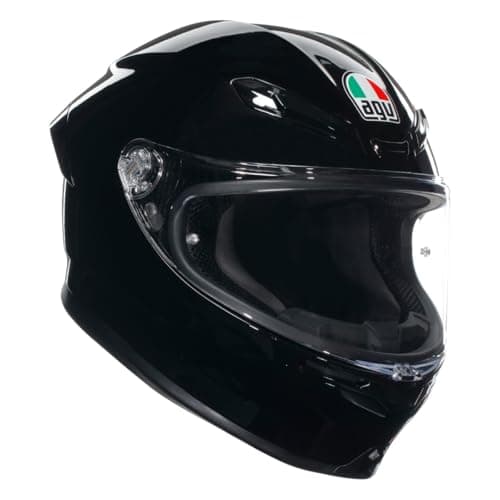
Head to head
AGV K6 vs Shoei RF-1400
The premium full-face duel, decided on weight, fit, shell, certification, noise and value.
2 picks · 2 with live prices
Top pick: AGV K6 S
$639.00AmazonHead to head
Shoei vs HJC
Premium vs value full-face, decided on certification, weight, quiet, fit and price.
2 picks · 2 with live prices
Top pick: Shoei RF-1400
$549.99AmazonHead to head
Modular vs Full-Face Helmets
Flip-up vs fixed chin bar, decided on convenience, weight, noise and certification.
2 picks · 2 with live prices
Top pick: Shoei Neotec II
$699.99AmazonRoundup
The Best Motorcycle Helmets for Touring
Certified long-haul lids ranked on quiet, comfort, comms-readiness and sun visors.
4 picks · 4 with live prices
Top pick: Shoei Neotec II
$699.99Amazon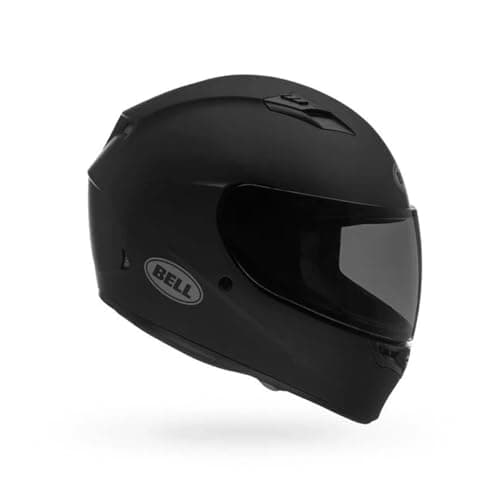
Roundup
The Best Motorcycle Helmets for Big Heads
Certified lids with large shells and round-to-oval fits, ranked to avoid pressure points.
4 picks · 4 with live prices
Top pick: Bell Qualifier
$149.95AmazonRoundup
The Best Motorcycle Helmets for Commuting
Certified daily-rider lids ranked on value, comms, sun visor, easy on-off and quiet.
3 picks · 3 with live prices
Top pick: HJC i10
$135.99Amazon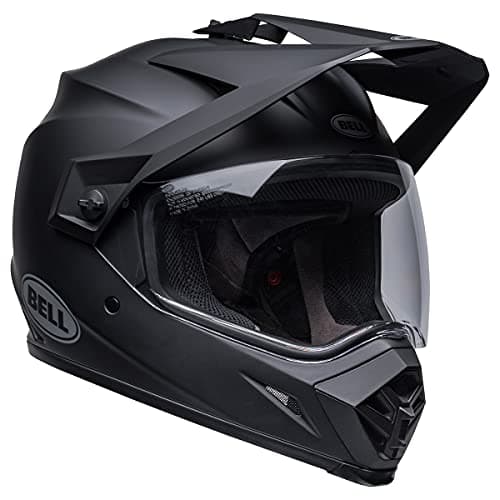
Roundup
The Best Adventure Motorcycle Helmets
Dual-sport and ADV helmets ranked on DOT/ECE/Snell certification, weight and peak aerodynamics.
4 picks · 4 with live prices
Top pick: Bell MX-9 Adventure MIPS
$249.95Amazon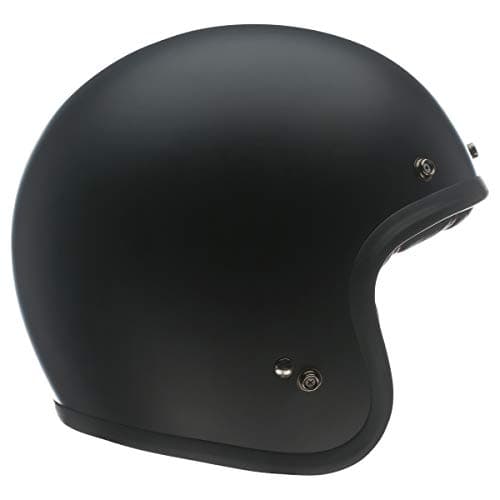
Roundup
The Best Open-Face Motorcycle Helmets
3/4 helmets ranked on DOT certification, shell material, shell sizes and sun-visor hardware.
4 picks · 4 with live prices
Top pick: Bell Custom 500
$179.95AmazonHead to head
Bell vs Shoei
Breadth vs refinement: the two brands compared on certification, shell tech, fit and price.
2 picks · 2 with live prices
Top pick: Shoei RF-1400
$549.99AmazonRoundup
The Best Intermediate Oval Helmets
Helmets that suit an intermediate-oval head, ranked on fit character, certification and shell sizes.
5 picks · 5 with live prices
Top pick: AGV K6 S
$639.00Amazon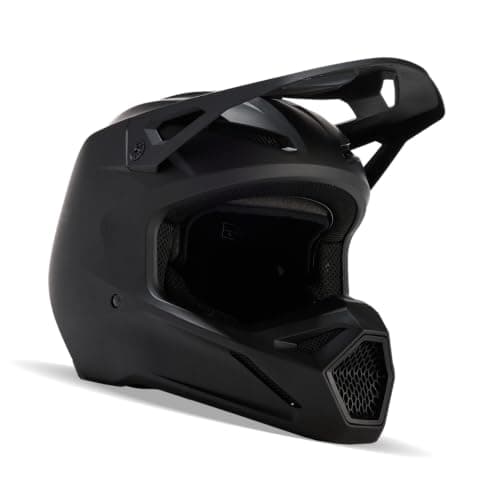
Roundup
The Best Dirt Bike Helmets
Off-road helmets ranked on published DOT and ECE 22.06 homologation, rotational protection and shell sizing.
4 picks · 4 with live prices
Top pick: Fox Racing V1 MIPS
$249.95Amazon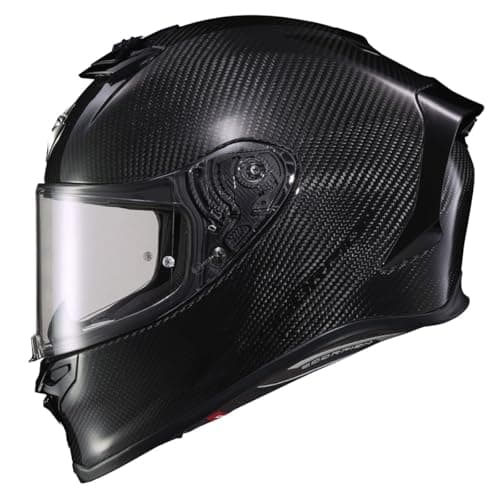
Roundup
The Best Carbon Fiber Motorcycle Helmets
Carbon helmets ranked on published weight, DOT and ECE 22.06 certification and shell construction.
4 picks · 4 with live prices
Top pick: ScorpionEXO R1 Air Carbon
$604.95Amazon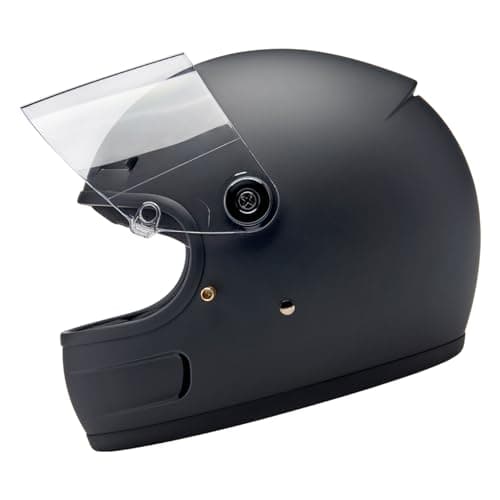
Roundup
The Best Retro Motorcycle Helmets
Vintage-styled full-face helmets ranked on printed certification, shell count, shell material and published weight.
5 picks · 5 with live prices
Top pick: Biltwell Gringo SV
$299.95Amazon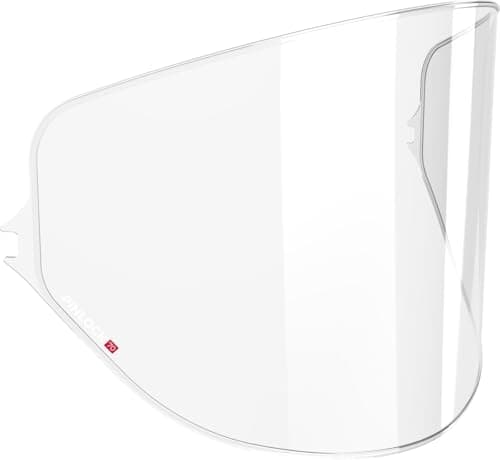
Roundup
The Best Anti-Fog Visor Inserts
Sealed double-lens inserts, adhesive films, breath guards and balms, ranked on mechanism and honest durability.
5 picks · 5 with live prices
Top pick: Pinlock 70 Max Vision Insert
$37.17Amazon- Buyer's guide
Buyer's guide
How to Stop Your Helmet Visor Fogging
The physics of visor fog and the fixes in order of cost — venting and technique first, products only if those fail.
Buyer's guide
Your First Helmet, by Head Shape and Budget
A matrix, not a list: identify your head shape, pick your budget tier, and read only the row that applies.
6 picks · 6 with live prices
Top pick: HJC i10
$135.99Amazon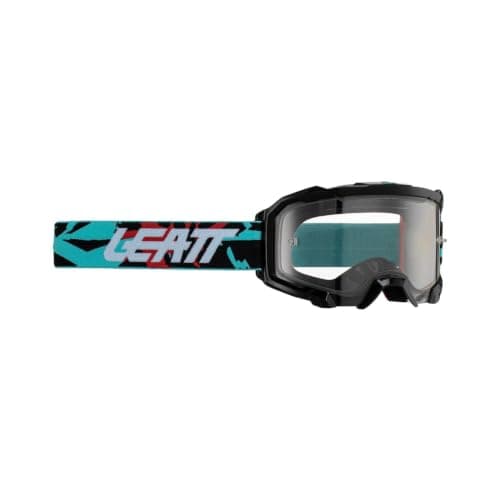
Roundup
The Best Motorcycle Goggles
Ranked on published lens standards and construction. The cheapest off-road pick is the only one naming ANSI Z87.1.
5 picks · 5 with live prices
Top pick: Leatt Velocity 4.5
$26.99Amazon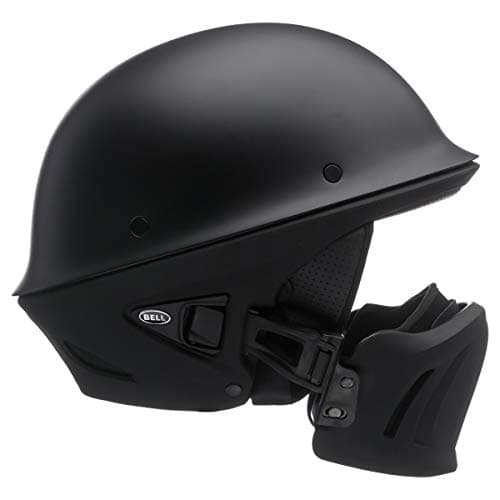
Roundup
The Best Half Helmets
Certified half helmets ranked on published shell count and certification wording, with a straight account of the coverage you give up.
5 picks · 5 with live prices
Top pick: Bell Rogue
$179.90Amazon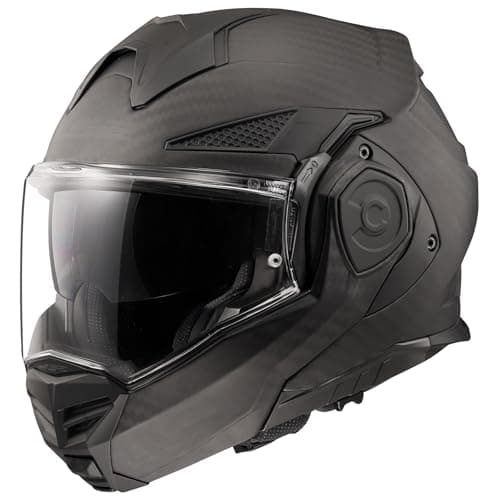
Roundup
The Best Motorcycle Helmets With a Sun Visor
Drop-down sun visor helmets ranked on published certification and the sunshield spec, across full-face, modular, 3-in-1 and open-face shells.
5 picks · 5 with live prices
Top pick: LS2 Advant X Carbon
$599.98AmazonHead to head
Dirt Bike Helmet vs Motorcycle Helmet
The real differences between a dirt bike helmet and a street full-face - certification, eye protection, weight, airflow and noise - and which to buy for how you ride.
4 picks · 4 with live prices
Top pick: Shoei RF-1400
$549.99Amazon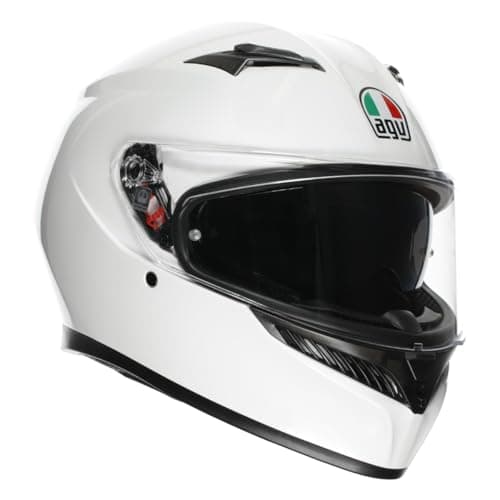
Roundup
The Best Ventilated Motorcycle Helmets
Hot-weather helmets ranked on published vent counts, channeling systems, shell sizes and weight - including the one that publishes almost nothing.
4 picks · 4 with live prices
Top pick: AGV K3
$276.06AmazonRoundup
Snell Certified Motorcycle Helmets
The helmets on this site that publish a Snell certification, ranked - plus what Snell adds over DOT and when a non-Snell helmet is the better buy.
5 picks · 5 with live prices
Top pick: Shoei RF-1400
$549.99Amazon
Roundup
The Best Scooter Helmets
Certified helmets for scooter and moped riding, ranked on published DOT/ECE approval, weight and how easily each one fits into a short city trip.
4 picks · 4 with live prices
Top pick: HJC C10
$113.99Amazon