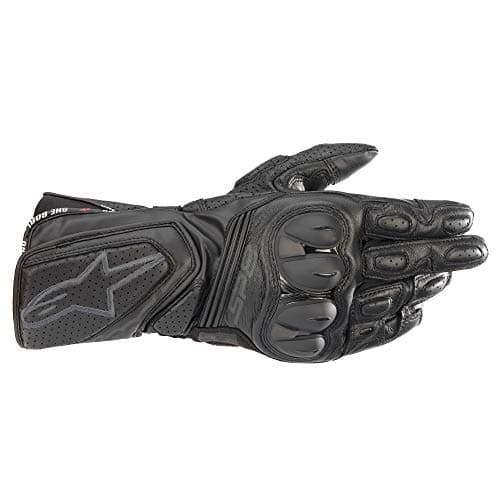
In almost every get-off the hands go down first — it's reflex, and you can't train it away. That makes gloves the highest-leverage cheap purchase in motorcycling: good ones cost less than a tank of premium and are the difference between road rash on your palms and none at all. We ranked on the protection features that matter — CE certification, a palm slider, hard knuckle protection and a secure wrist closure — then on fit and weather.
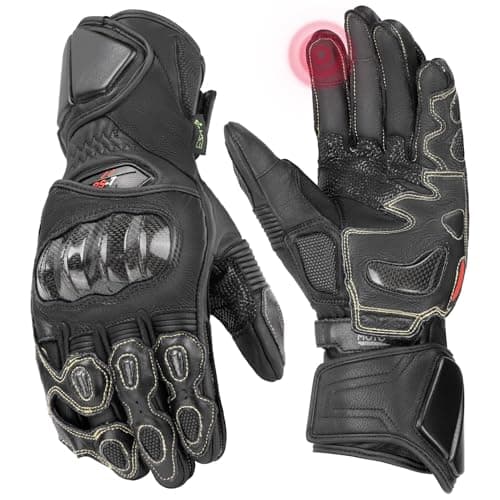
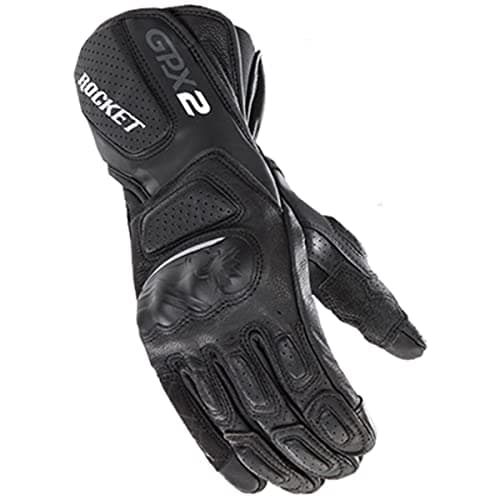
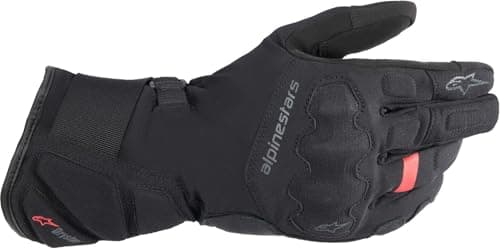
The Alpinestars SP-8 V3 is the all-round pick: a CE-certified leather gauntlet with a hard knuckle and a palm slider at a sane price. The Kemimoto gets you CE-certified leather and knuckle armor for even less. For hot weather the short-cuff Joe Rocket GPX 2.0 keeps the airflow, and for cold and wet the waterproof Alpinestars Tourer W-7 keeps your hands working. If you buy one upgrade this season, make it gloves. Working to a tighter number? Our best affordable motorcycle gloves compares the three cheapest pairs we would actually ride in, side by side.
Sizing is where riders go wrong — a loose glove twists on the hand and the armor ends up in the wrong place. Measure your palm and buy for a snug fit with no fingertip gap; our glove-sizing guide walks it through. Then pair them with a proper jacket.
Half the gloves in this category publish no certification at all, which is why the cards below say so in their cons. Our EN 13594 explained guide covers what Level 1, Level 2 and the KP knuckle mark actually mean, and why a CE logo on the cuff is not the same claim. If you are not yet convinced gloves are worth the money at all, do you need motorcycle gloves is the honest first page.
Gloves wear out faster than anything else you own, and the signs are specific: our when-to-replace guide covers the palm, seam, knuckle and closure checks that mean it is time for a new pair.
The picks below span both materials on purpose. If you are trying to decide between them before you shop, our leather vs textile gloves comparison sets out what each one is genuinely better at — and why EN 13594 never mentions either.
What actually protects your hands
Four features, in order. A palm slider — a low-friction patch so a sliding hand skates instead of catching and tumbling your wrist. Hard or reinforced knuckle protection. A secure wrist closure, because a glove that can be pulled off in a slide protects nothing. And a real EN 13594 CE rating (Level 1 or 2) that certifies the abrasion and burst resistance. Everything past that — touchscreen fingertips, membranes, gauntlet length — is comfort and weather.
Short cuff or gauntlet?
A gauntlet seals over the jacket sleeve and covers more of the wrist — the safer, warmer choice. A short cuff is cooler and easier to pull on, better for summer and town riding. See our short vs gauntlet comparison to pick.
How we picked
Everyone in this category says they tested twenty helmets. We haven't tested any — and we say so. What we do instead: compile the published DOT, ECE 22.06 and Snell certifications, the manufacturer's fit, weight and shell specs, the CE armor levels, and reputable published reviews, then score each pick against a published rubric. The scores are judgments from documented research — not measurements we took, because we do not run a lab and we are not going to pretend we do. Every certification and spec claim traces to a source we name and link.