Skip to content
LID & LEATHER

Abrasion + armor · Jackets

Leather vs Textile Motorcycle Jackets

Abrasion resistance versus versatility. The honest trade-offs, using a leather and a textile pick as stand-ins.

By Stephen V.Updated How we research
#ad

We earn a commission when you buy through our Amazon links, at no extra cost to you. It never affects our rankings, and we say so when the cheaper gear is the better buy. How this works.

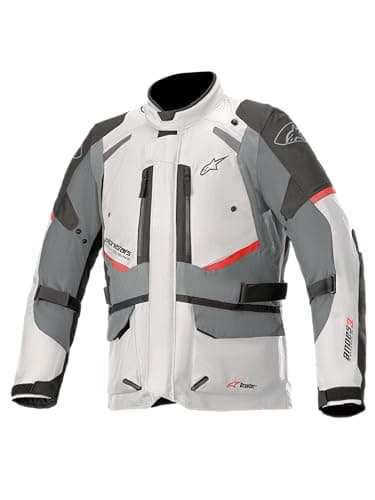
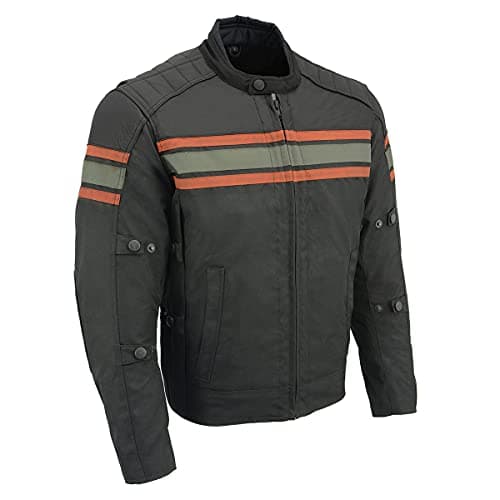
Leather or textile is the oldest jacket argument in motorcycling, and both sides are right — for different riders. The short version: leather wins on abrasion resistance and looks; textilewins on weather range, weight and value. We're using the Milwaukee Leather and the Alpinestars Andes V3 textile as stand-ins for each.

Leatheris the original abrasion material — a good cowhide shell slides well and lasts for years. The costs are real: it's hot, heavy, needs care, and offers little in the rain. Textile (Cordura and its cousins) is lighter and cooler, takes a waterproof membrane and a thermal liner so one jacket covers three seasons, and usually costs less for the same armor. Both carry the same CE armor; the shell material is the variable.

The short answer

Quick picks

#ProductBest forScorePrice
01
Milwaukee Leather Armored Jacket

The affordable way into real leather. A cowhide shell with CE armor and a zip-out liner gives you leather's abrasion resistance and cruiser look without a flagship price.

Best value leather
8.0
$159.99Amazon
02
Alpinestars Andes V3 Drystar

The do-everything adventure-touring jacket. A waterproof Drystar membrane, a removable thermal liner and CE armor make it a genuine three-season shell that handles a downpour without a second thought.

Best all-season / touring
8.9
$246.08Amazon

#ad · Live prices from the Amazon Product API, as of Jul 18, 2026. Where we have no verified live price we show none — we would rather leave a gap than print a number that has rotted.

In detail

The picks, in full

01
Milwaukee Leather Milwaukee Leather Armored Jacket

Best value leather

Milwaukee Leather Armored Jacket

Cowhide leatherCE armorZip-out linerAll-season
8.0/10

The affordable way into real leather. A cowhide shell with CE armor and a zip-out liner gives you leather's abrasion resistance and cruiser look without a flagship price.

Protection
8.4
Weather range
7.2
Comfort/fit
8
Features
7.8
Value
8.8

Pros

  • Genuine leather abrasion resistance at a low price
  • Ships with CE armor and a removable insulated liner
  • Classic cut that suits cruisers and standards

Cons

  • Heavier and hotter than textile
  • Leather needs care and is poor in the rain

Don't buy this if…

you ride in the rain a lot or want the lightest, coolest option — go textile or mesh.

$159.99View on Amazon

Price as of Jul 18, 2026. Prices change — Amazon's is the one that counts.

#ad · we may earn a commission from this link to Milwaukee Leather Armored Jacket

02
Alpinestars Alpinestars Andes V3 Drystar

Best all-season / touring

Alpinestars Andes V3 Drystar

Waterproof DrystarThermal linerCE armorAdventure fit
8.9/10

The do-everything adventure-touring jacket. A waterproof Drystar membrane, a removable thermal liner and CE armor make it a genuine three-season shell that handles a downpour without a second thought.

Protection
8.6
Weather range
9.4
Comfort/fit
8.6
Features
9
Value
8.6

Pros

  • Waterproof Drystar membrane keeps you dry in real rain
  • Removable thermal liner extends it into cold weather
  • CE armor plus a back-protector compartment and generous venting

Cons

  • Heavier and warmer than a mesh jacket in peak summer
  • Roomy adventure cut

Don't buy this if…

you only ride in hot, dry weather — a mesh jacket will be cooler and cheaper.

$246.08View on Amazon

$269.469% off

Price as of Jul 18, 2026. Prices change — Amazon's is the one that counts.

#ad · we may earn a commission from this link to Alpinestars Andes V3 Drystar

Which should you buy?

Buy leather if you ride mostly in dry weather, want the classic look, and value maximum abrasion resistance per dollar — cruisers and sport riders lean this way. Buy textileif you commute or tour, ride in variable weather, or want one jacket that does everything — it's the more practical default for most riders, which is why our overall best jacket is a textile. Either way, the armor matters more than the material: insist on CE armor and add a back protector.

How we picked

We don't test helmets. Here's what we do instead.

Everyone in this category says they tested twenty helmets. We haven't tested any — and we say so. What we do instead: compile the published DOT, ECE 22.06 and Snell certifications, the manufacturer's fit, weight and shell specs, the CE armor levels, and reputable published reviews, then score each pick against a published rubric. The scores are judgments from documented research — not measurements we took, because we do not run a lab and we are not going to pretend we do. Every certification and spec claim traces to a source we name and link.
Questions

Frequently asked

Is leather safer than textile in a crash?
Leather generally has excellent abrasion resistance, but modern textiles with a high CE garment class (EN 17092 AA or AAA) can match or beat mid-grade leather. Impact protection comes from the CE armor, which both use. Fit and staying-power in a slide matter more than the material name — buy the one you'll actually wear for your climate.
Can textile jackets be waterproof?
Yes — a laminated or membrane-lined textile jacket like the Andes V3 is genuinely waterproof, which leather is not. That weather range is textile's biggest practical advantage for year-round riders.

Keep reading

Receipts

Sources

We do not run a testing lab, and we do not pretend to. Our picks are built from published certifications, manufacturer spec sheets, the standards documents themselves, and reputable published reviews — named and linked above. Where we could not verify something, we say so on the page rather than quietly leaving it out. Read our full method.