A motorcycle jacket does two jobs at once: resist abrasion when you slide, and absorb impact when you hit. Those are different problems solved by different materials, and the labels that describe them — the garment's CE class and the armor's CE level — are what we ranked on, not the brand or the graphics. We don't crash-test jackets; we read the certifications, the shell materials and the weather systems, and we say what each one is genuinely for.
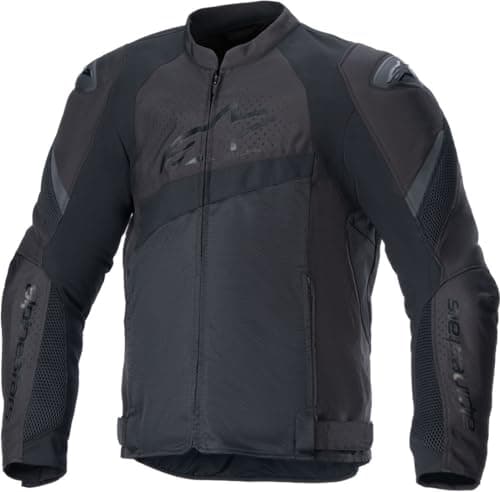
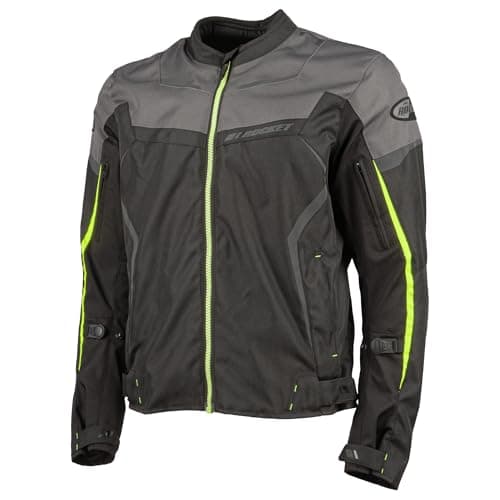
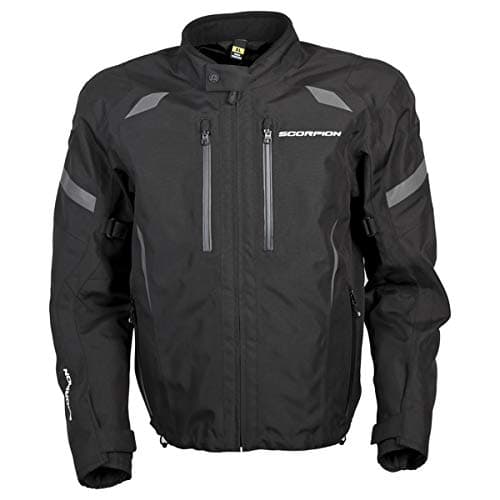
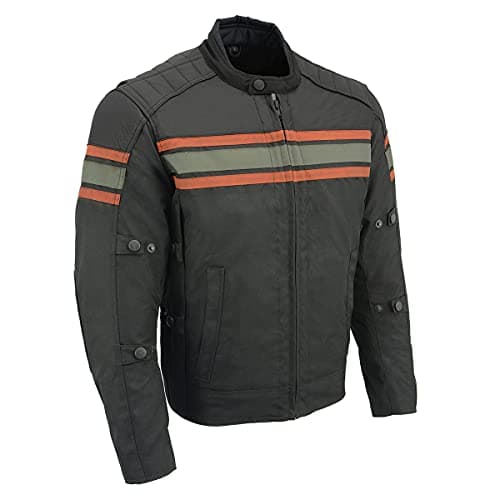
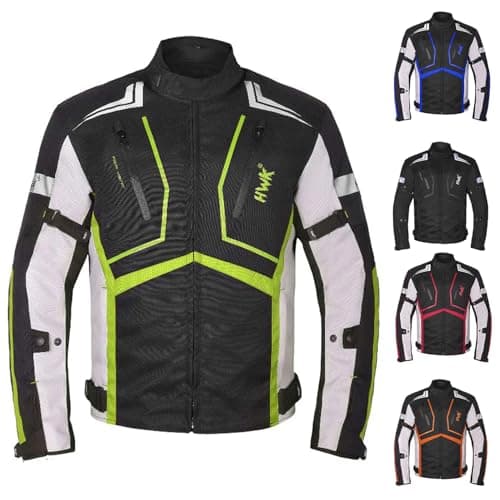
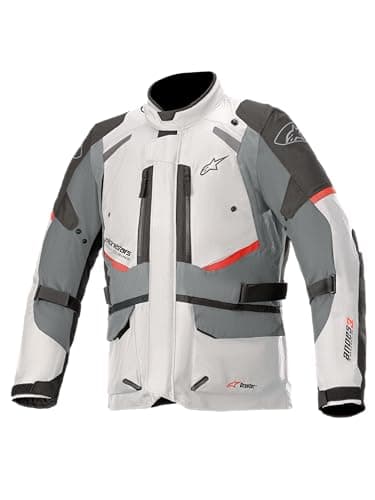
Our top pick, the Alpinestars Andes V3 Drystar, is the do-everything choice: a waterproof membrane, a removable thermal liner and CE armor make it a true three-season shell. If you ride in heat, the vented T-GP Plus V4 Airflow keeps the protection and loses the sweat. Want leather and a cruiser look? The Milwaukee Leather gets you real cowhide and armor without a flagship price. And the budget HWK Corduraproves a first jacket doesn't have to be a compromise on protection.
Whatever you pick, insist on CE armor at the shoulders and elbows, and treat the back protector as a slot to fill — most jackets ship with a foam pad where a real CE Level 2 protector belongs. Read our CE armor levels guide so the labels mean something, and pair the jacket with proper gloves and back protection.
Shopping by material rather than by category? Our leather jackets ranking covers the leather end of this field on the same published-spec terms.
Before you order any of these, check your number against the chart for that specific jacket — our motorcycle jacket size chart guide explains how to measure and why brand sizing is not interchangeable.
Leather, textile or mesh?
Leatherhas the best abrasion resistance per dollar and a classic look, but it's hot, heavy and poor in the rain. Textile (Cordura and similar) is lighter, cooler, waterproofable and usually cheaper for the same protection tier — the sensible default for touring and commuting. Mesh trades some abrasion coverage for airflow, which is a fair warm-weather compromise as long as the armor stays. See our full leather vs textile breakdown, or best textile jackets for that side of the field ranked on published EN 17092 garment class.
Read the armor, not the price
Every jacket here ships with CE-certified shoulder and elbow armor. The upgrade that matters most is a CE Level 2 back protectorin the jacket's back pocket — a foam pad is not a back protector. If your budget stretches, choose Level 2 limb armor too. A cheaper jacket with good armor that fits you beats a pricier one that doesn't.
How we picked
Everyone in this category says they tested twenty helmets. We haven't tested any — and we say so. What we do instead: compile the published DOT, ECE 22.06 and Snell certifications, the manufacturer's fit, weight and shell specs, the CE armor levels, and reputable published reviews, then score each pick against a published rubric. The scores are judgments from documented research — not measurements we took, because we do not run a lab and we are not going to pretend we do. Every certification and spec claim traces to a source we name and link.