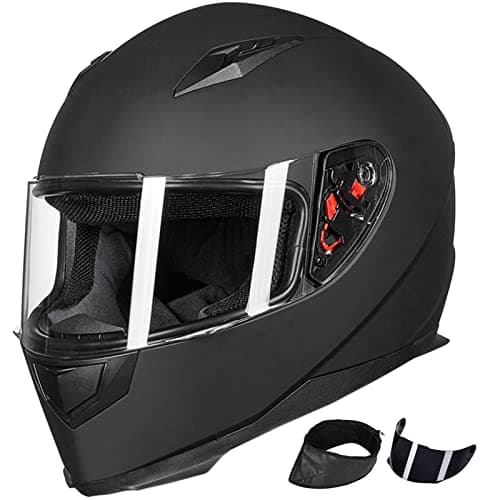
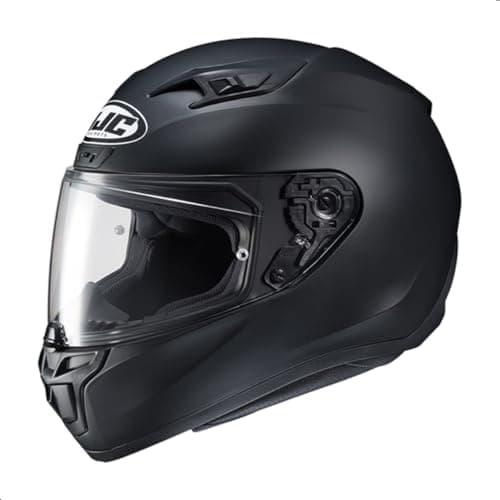
A first helmet is where new riders most often go wrong in one of two directions: they overspend on a flagship chasing specs they can't yet feel, or they underspend on a "novelty" lid that isn't a real helmet at all. The good news is that the one thing that actually matters most — a genuine safety certification — is available at every price on this page. We didn't crash-test any of these; we compiled the certifications each one truly carries, the shell and fit specs from the manufacturers, and reputable owner reviews, then ranked them on what a first-time buyer should care about, not on prestige.
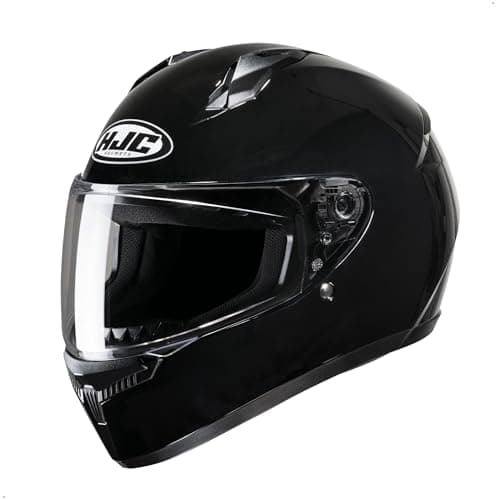
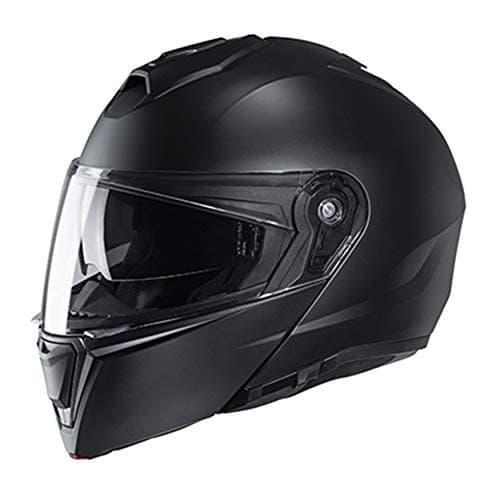
Our pick for most new riders is the HJC i10: DOT and Snell M2020 certified, a Pinlock-ready shield in the box, a forgiving fit that suits a lot of heads, and a price that leaves budget for a jacket and gloves. If you want to spend as little as possible without leaving the certified world, the HJC C10is the safest way to do it; if you'd rather flip the front up at gas stops, the value-priced modular HJC i90 is a genuinely good first lid too. Every helmet here clears DOT at a minimum, and most add ECE 22.06 or Snell M2020 on top.
What makes a helmet right for a beginner
Beginner-appropriate is not the same as cheap, and it's not the same as top-of-the-range. We ranked these on four things, in this order:
1. A real certification, no exceptions. In the US, that means at least DOT (FMVSS 218), the legal floor to sell a street helmet. Better still is a lid that also carries ECE 22.06, the current European standard and the most demanding volume test in the world — it adds rotational and multi-point impact testing DOT doesn't. What you must never buy is a helmet sold as "novelty" or "not-for-road-use"; those exist to look like helmets, not to protect your skull. Our DOT vs ECE vs Snell explainer covers exactly what each sticker means.
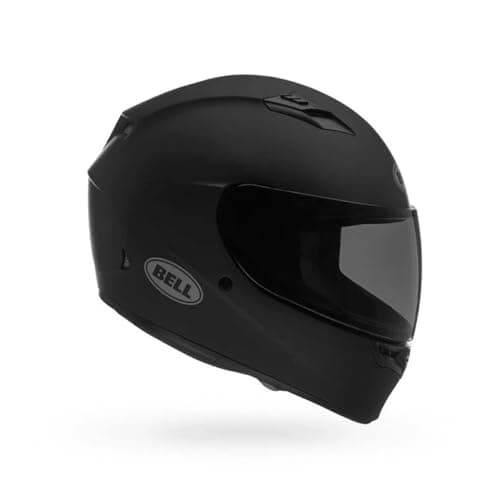
2. A forgiving fit.Most new riders don't yet know their head shape, so we lean toward helmets with a rounder-to-intermediate internal shape and wide size runs that suit the largest share of heads — the HJC and Bell lids here are good examples. A helmet that fits badly protects badly, no matter how much it cost, so learn your head shape before you commit to a brand.
3. Comfort you'll actually wear.A helmet only protects you when it's on your head. Lower weight, real ventilation and a quieter cabin aren't luxuries for a beginner — they're the difference between wearing the lid on a hot commute and leaving it at home "just this once." It's why a $185 helmet can rank near a $70 one here: what you're buying up the range is the comfort that keeps ATGATT a habit.
4. Value, not the lowest number.The goal isn't the cheapest price tag; it's the most protection and comfort per dollar, so your money lands on certification and fit before it lands on graphics. A certified $130 helmet that fits you correctly out-protects a $500 one that doesn't — which is exactly why the budget picks sit high on this list.
Work down the ranking and you'll find a certified first helmet at roughly every price from about $70 to $185, in both full-face and flip-up modular form. Read the picks, then use the buyer's guide below to lock in the size — because the size is the part people get wrong.
Two brands come up constantly when new riders start comparing shells, and our Bell vs Shoei comparison explains what each lineup is actually offering at each price, rather than which badge is better.
How to buy your first helmet
Start with a full-face. It gives the most coverage and the quietest ride, and the chin bar protects your jaw and face — an area that takes a large share of impacts in real crashes. A modularis a fine first helmet too if you value flipping the front up at stops, but ride it with the chin bar down. Skip open-face and half helmets while you're learning; they trade away the protection you least want to lose. Our types of helmets guide walks the trade-offs.
Get the size right — this is the step people skip.Measure the circumference of your head at its widest, just above the eyebrows, and match it to the specific brand's chart (they differ, so measure for each). A correctly fitted helmet is snug everywhere with no pressure points; it should move your scalp when you rotate it rather than sliding over your skin, and the cheek pads should feel firm because they'll compress 15-20% after break-in. If it's comfy in the shop, it'll be loose in a month. Our measuring guide has the full method.
DOT is the floor; ECE is the upgrade worth chasing.Every helmet here is DOT certified, which is legal and genuinely protective. If you can find an ECE 22.06 lid in your budget — several here are — take it, because it's held to the tougher current bar. But don't let the hunt for a Snell sticker push a beginner into overspending; Snell is a track-day standard, not a street requirement.
Spend on the helmet and gloves first, then fill in the kit. A complete set of certified budget gear protects you far better than a single premium helmet worn with a hoodie. Once your lid is sorted, our beginner gear guide covers the other four essentials in priority order.