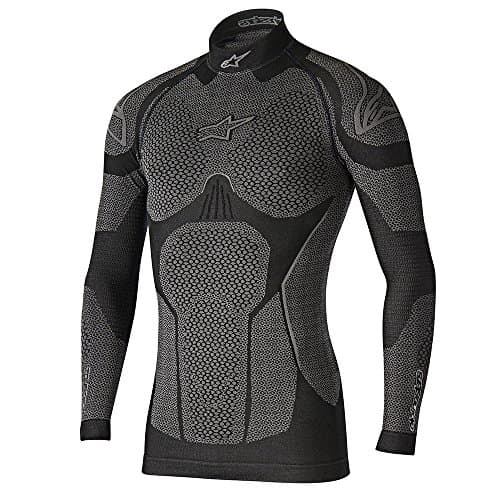
A base layer has one job and it is not warmth. Its job is to move sweat off your skin so that the insulating layers above it can do their job. Get this wrong and the most expensive winter jacket in the world will not keep you warm, because you will be wearing a wet shirt against your skin in moving air — which is, mechanically, a refrigerator.
This is why the one rule everyone repeats is the right one: no cotton. Cotton absorbs sweat, holds it against you, and loses essentially all its insulating value when damp. A cotton t-shirt under a heated liner is the most common self-inflicted cold on a motorcycle, and riders make it every winter because a t-shirt does not feel like a mistake.
The second thing that separates a riding base layer from a gym one is cut. You ride leaning forward with your arms out, which pulls a normal shirt out of your trousers and up your back — putting bare skin against a cold jacket lining exactly where your kidneys are. A base layer cut for riding is longer in the body and the sleeves for precisely that reason, which is why the Alpinestars Winter Ride Tech top is our first pick despite being the most expensive thing here.
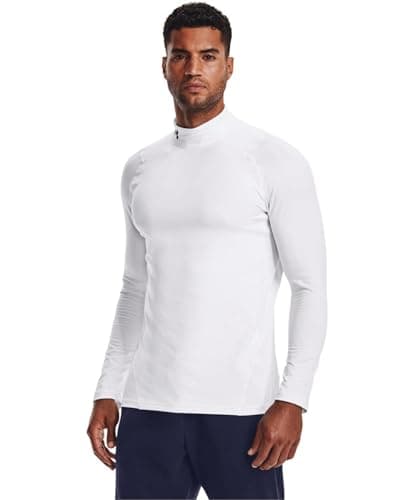
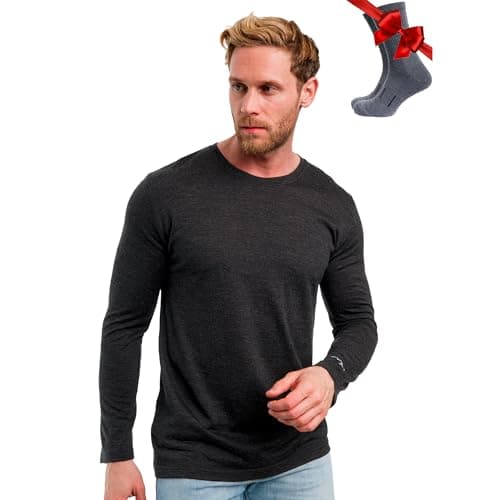
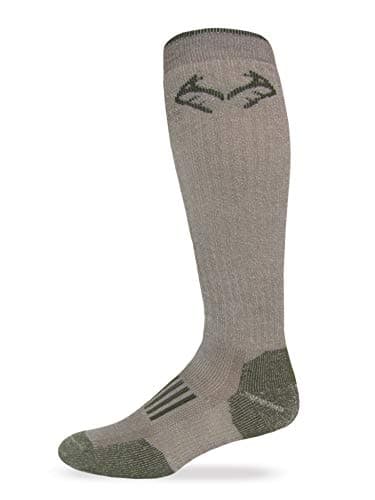
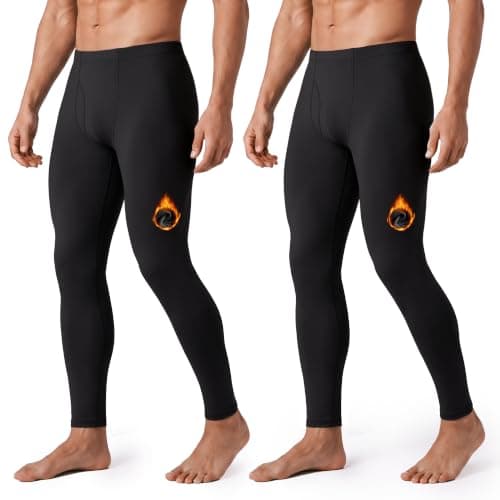
Below it: the Under Armour ColdGear mock for the neck coverage that a crew neck leaves open, a merino top with socks for riders who sweat and tour, heavyweight merino boot socks, and fleece-lined thermal bottoms for the coldest surface on your body that nobody thinks about — the front of your thighs.
Merino or synthetic? A real answer
Both work. They fail differently, and the difference decides which one suits you.
Merino wool keeps insulating when it is damp, and it resists odour naturally — which sounds like a luxury until you are on day three of a trip without laundry. It is warmer for its weight than most synthetics and it feels better against skin. It also costs more and wears through faster at friction points, and it will shrink if you put it through a hot wash and a tumble dryer.
Synthetic — polyester, usually with a brushed thermal face — wicks faster, dries faster, costs less and lasts longer. It also starts to smell within a day, which is a genuine consideration on a tour and irrelevant on a commute where you change at the office.
The honest recommendation: synthetic for commuting, merino for touring. If you only buy one and you ride in cold weather, buy merino — the wet-warmth property is worth the money on the one ride where you get caught out.
Bulk is a safety consideration, not just comfort
Every layer you add under a riding jacket competes for space with the armor in it. A thick base layer plus a fleece plus a heated liner can push shoulder and elbow armor inboard so it no longer sits over the joint, and it can bridge a back protector away from your spine. You have then made yourself warmer and less protected, which is exactly the trade nobody intends to make.
The rule that keeps this straight: base layers should be thin and close. Warmth comes from a mid-layer, not from a fat base. After you add a layer, zip the jacket and check by hand that the shoulder and elbow armor still sit on the joint. Our CE armor levels guide explains what those pads are certified to do — and they can only do it where they are.
The neck is where the cold actually gets in
Riders spend money on jackets and gloves and then leave a two-inch gap between the collar and the helmet. At 60 mph that gap is a wind tunnel aimed at the arteries in your neck, which is a very efficient way to cool your blood. A mock-neck base layer like the Under Armor closes it without adding a separate garment, which is why it is on this page.
If you use a separate neck tube or balaclava instead, wear it under the helmet edge and keep it below your mouth. Pulling it up over your chin inside the helmet redirects your breath upward and fogs your visor — the most common self-inflicted fogging cause, covered in our visor fogging guide.
The two layers everyone forgets
Legs. Your thighs face directly into undisturbed airflow for the entire ride and get no protection from a jacket, however good. Fleece-lined thermal bottoms under textile trousers cost about the same as a tank of fuel and make more difference to a cold commute than a hundred dollars spent anywhere else. This is the highest-value item on the page and it is the cheapest.
Feet. Merino socks are the right answer, with one large caveat that catches people out: a thick sock inside a boot that already fits is colder, not warmer. Insulation works by trapping still air, and a compressed sock has no air in it. If your boots fit snugly, buy a thin merino liner sock rather than a heavyweight one, or size the boot up. Our guide to keeping your feet warm goes through this properly, and our waterproof boot ranking covers the boots themselves.
How the whole stack should go together
From skin outwards: a thin wicking base layer, then insulation (a heated liner, a fleece or a mid-layer), then a windproof and waterproof outer shell with the armor in it. Each layer has one job, and adding a second warm layer instead of a windproof one is the most common way riders end up cold in expensive clothing.
Wind is the mechanism. Still air is a good insulator; moving air strips heat off you fast. That is why a thin windproof shell beats a thick fleece on a motorcycle even though the fleece is warmer standing in a car park. The full method is in our layering guide, and the seasonal version is in cold-weather gear.
Which one should you buy?
Buy the Alpinestars Winter Ride Tech top if you want a layer cut for the riding position that will not pull out of your trousers when you reach for the bars. Buy the Under Armour ColdGear mock if you want the best value and the neck coverage, which is most riders.
Buy the merino top and socks bundle if you tour, sweat, or want the layer that keeps working when it is damp. Buy the merino boot socks if your boots have room for them, and a thinner liner sock if they do not. And buy the fleece-lined bottoms regardless — no other ten dollars in motorcycling returns as much warmth.