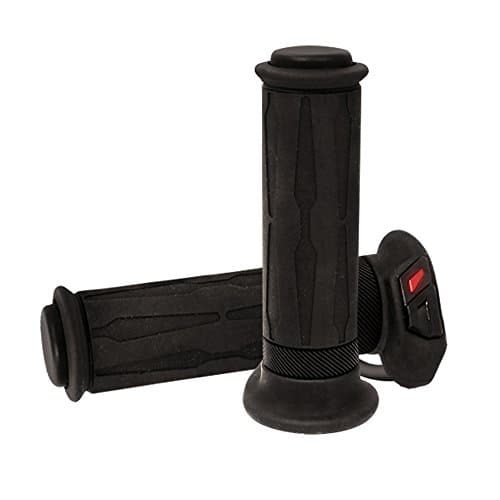
Cold hands are the first thing that ends a winter ride, and they end it early. Fingers lose dexterity before they hurt, which means the clutch and front brake — the two controls you need most — get worse before you have consciously registered that you are cold. Heated grips are the single most effective fix, because they heat your palms directly from the bike's own electrical system and they never run out.
The trade against heated gloves is real and it is worth naming immediately: grips heat the palm side of your hand. The back of your hand, and the fingertips that go numb first, are still exposed to wind. Heated gloves heat the whole hand. Grips are cheaper, permanent and maintenance-free; gloves are more thorough and more expensive. We wrote a full heated grips vs heated gloves comparison if you have not decided yet.
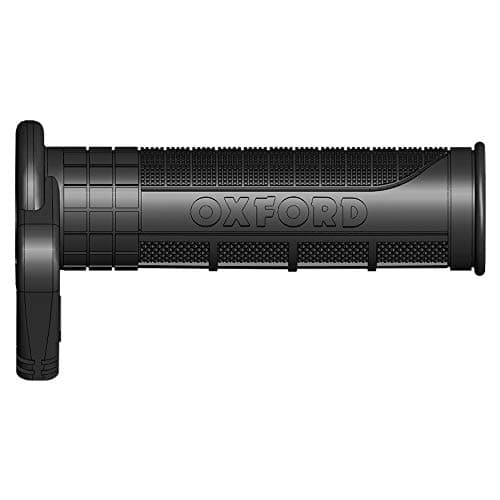
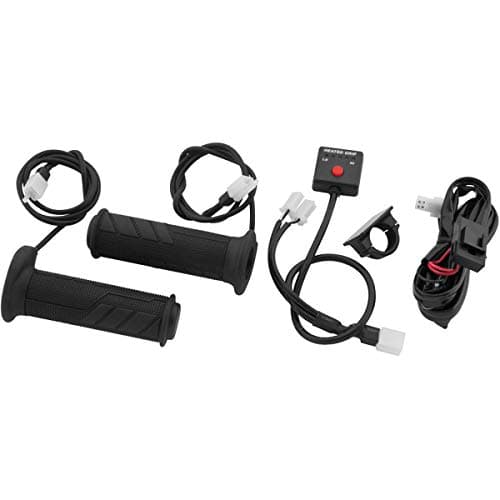
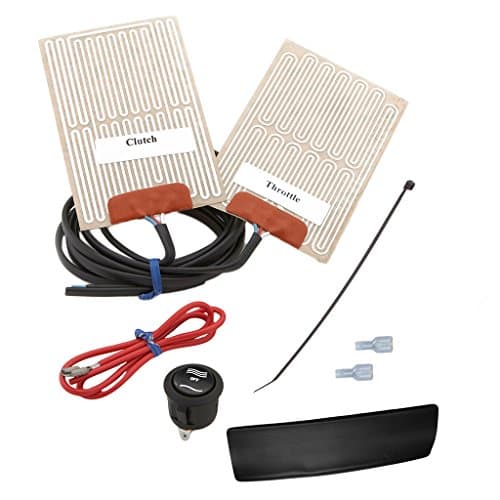
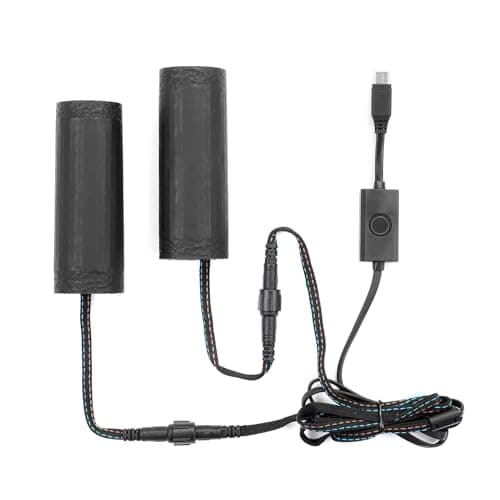
Our top pick is the Koso Apollo, which Koso publishes with five temperature levels on an integrated thumb switch and heat-level memory, in a listing that covers both 7/8 in and 1 in bars. The Oxford Heaterz Premium Adventure is the temperature-controlled adventure-pattern option. The BikeMaster Heated Grips are the value entry into hardwired heat at a standard 7/8 in, 120 mm size. The Heat Demon 210019RR kit lets you keep the grips you already like and fits any bar diameter or throttle type. And the Kemimoto USB-C handlebar heater is the no-wiring option, with a caveat we state plainly on its card.
One thing this page will not do is quote you a wattage or an amp draw we have not verified from the manufacturer. Heated grip current varies by kit and by heat setting, and the number that matters is not on our page — it is your bike's surplus charging capacity, which is in your service manual. The buying guide below tells you how to work that out.
Measure your bars before you do anything else
Motorcycle handlebars come in two common diameters and grips are not adjustable. Most standards, sportbikes and adventure bikes use 7/8 in (22 mm) bars. Most cruisers, and many Harley-Davidson models, use 1 in (25.4 mm). Buy the wrong diameter and the grip either will not go on or will spin.
Check length too, which people forget. The BikeMaster set on this page is 120 mm, a common street length. If your bar has long switchgear housings or a bar-end mirror, measure the usable grip area between the switch cluster and the bar end before you order. And note the throttle side is not the same as the clutch side: a heated grip set includes a throttle-tube grip and a bare-bar grip, and they are not interchangeable.
The Koso Apollo listing covers both 7/8 in and 1 in fitment, which is why it sits at the top of this ranking for most riders — it removes the most common way to buy the wrong thing.
The electrical question, answered properly
Heated grips draw current continuously whenever they are on, and they draw it from your bike's stator through the battery. The question is whether your bike makes enough surplus power to run them without slowly flattening the battery. This is a real consideration on small-displacement bikes and older machines, and a non-issue on most modern touring and adventure bikes.
How to check it, without guessing: your service manual publishes the alternator or stator output. Subtract everything already running — headlight, tail light, ignition, ECU, any accessories such as auxiliary lights or a phone charger. What is left is your surplus. Then compare that against the current draw the grip manufacturer publishes for the kit you are considering. If the margin is thin, run the grips on a lower setting, or choose a kit with a controller that steps down rather than a simple on/off element.
Two more electrical rules that are not optional. Wire the grips to a switched circuit — one that dies with the ignition — or use a relay triggered by one. A heated grip left live on a parked bike is a flat battery by morning. And fuse the circuit. Every reputable kit includes a fuse; use it, and do not upsize it because it blew once.
Controllers: why five levels beats two
The cheapest kits give you high and low. Better kits give you a range, and the range genuinely matters, because the temperature you want at 40°F and the temperature you want at 25°F are not the same, and neither is the temperature you want in gauntlet gloves versus thin ones. Koso publishes five levels on the Apollo with a color-coded indicator; Oxford runs a temperature-controlled circuit rather than a dumb element.
Two features worth paying for if you can. Heat-level memory, which Koso publishes on the Apollo, means the grips resume at your last setting rather than making you re-select at every stop — a small thing that stops being small on a commute with fifteen traffic lights. And a bar-mounted switch you can reach with a thumb, so adjusting heat does not require taking a hand off the bar in traffic.
Push-on elements, and when they are the right answer
A complete grip set replaces your grips. A push-on kit like the Heat Demon 210019RR bonds heating elements to the bar and the throttle tube and you fit a grip of your choice over the top. That is more work and it is the right answer in two situations: you already have grips you like, or you have a non-standard bar or grip that a complete set will not fit — Symtec publishes that kit as fitting all metric makes and models regardless of handlebar size or throttle type, which is a claim no complete grip set can make.
The one thing to watch is stack height. Element plus grip is thicker than grip alone. If you have small hands or already find your grips fat, measure before you commit, because a grip you cannot comfortably wrap is worse than a cold one.
What grips will not fix
Grips heat your palms. Wind still hits the back of your hands and your fingers, and on a naked bike at highway speed that is most of the cooling. The complete cold-hands solution is usually grips plus something that blocks wind — handguards or bar muffs are both cheap and both make a bigger difference than most riders expect — and a properly insulated glove over the top. Our winter glove ranking covers the glove side, and our cold-weather gear guide covers the whole system.
And do not let heat talk you out of protection. A heated grip does not protect your hands in a crash — your gloves do. Whatever you fit to the bars, keep a certified glove on top of them; our glove buying guide explains what EN 13594 certification actually means and why an unarmoured heated glove is a compromise you should make knowingly.
Which one should you buy?
Buy the Koso Apollo if you want the best control and the widest fitment — five published heat levels, thumb switch, heat memory, and a listing that covers both bar diameters. Buy the Oxford Heaterz Premium Adventure if you ride an adventure or touring bike in genuinely bad weather and want a temperature-controlled circuit with grippier rubber.
Buy the BikeMaster set if you want hardwired heat for the least money and your bike takes standard 7/8 in, 120 mm grips. Buy the Heat Demon 210019RR kit if you want to keep your own grips, or if your bar or throttle is non-standard. And buy the Kemimoto USB-C heater only if you genuinely will not wire anything — it is the least powerful option here and it is listed for ATV use, both of which we would rather tell you than sell around.