The rule that covers nearly every case: protective gear is retired by an inspection, not by a date — except after a crash, when the part that took the impact is finished regardless of how it looks. In practice gloves wear out first, usually within a couple of seasons of regular riding; armor outlives the garment around it but hardens and cracks eventually; a jacket or boot that is cared for lasts many years and fails at the seams, the leather or the membrane rather than all at once.
The reason the date-based question keeps getting asked is the helmet. Helmets genuinely do have an age-based rule of thumb, because EPS and the shell degrade whether you ride or not — our helmet lifespan guide covers that properly, and does dropping a helmet ruin it covers the incident case. Everything else in your kit is different: textile, leather and impact armor fail from use, abrasion, UV, sweat and bad drying, so the honest advice is to look at them rather than count the years.
Gloves: the first thing to wear out
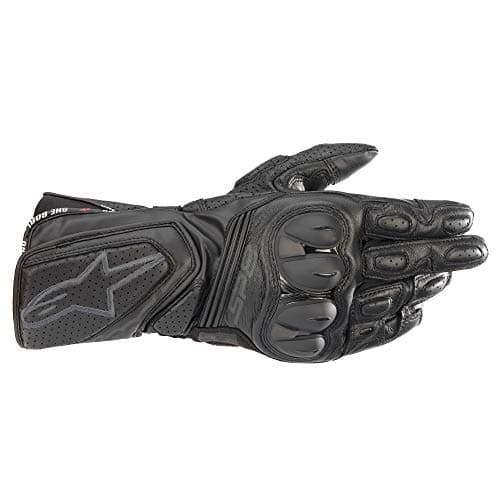
Gloves take the most abuse of anything you own — sweat on the inside, UV and wind on the outside, and constant flexing at the fingers and the palm. Replace them when:
- The palm has worn thin, gone shiny or started to split. The palm is the first thing on the ground in almost every fall.
- A seam has opened, particularly between the fingers or along the thumb, because a glove that comes apart in a slide stops protecting immediately.
- The knuckle protector has cracked, detached or gone hard, or the stitching holding it has pulled.
- The closureno longer holds. A glove that comes off your hand on the way down contributed nothing — this is the most under-rated failure of all.
- The leather has dried out and gone stiff and papery, which is what sweat plus heat drying does.
Jacket and pants: check the seams and the shell
A textile jacket usually dies at its seams and at the high-wear points; leather dies when the hide dries out and cracks. What to look for: stitching that has worn through or pulled at the shoulders and elbows, fabric that has gone thin, shiny or fuzzy at contact points, a lining shredded enough to tangle, zips that no longer close reliably, and armor pockets that have stretched so the protector moves off the joint. A membrane that no longer keeps you dry is usually a cleaning and re-treatment job rather than a replacement — our waterproofing guide explains how to tell a wetted-out shell from a failed membrane.
UV deserves its own line. A jacket stored on a sunny hook for years is weaker than its mileage suggests, and faded, chalky fabric is the visible symptom of that. Our jacket washing guide covers care that extends the life, and EN 17092 explainedcovers what a garment class means when it is new — nothing recertifies it later.
Boots: sole bond, leather and structure
Retire a riding boot when the sole has separated from the upper, when the leather has cracked through rather than surface-crazed, when an ankle cup or shin plate is split or detached, or when the tread is smooth enough to slip putting a foot down at a light. Our boot care guidecovers what extends a boot's life and the heat-drying mistake that shortens it drastically.
CE armor: the piece everyone forgets
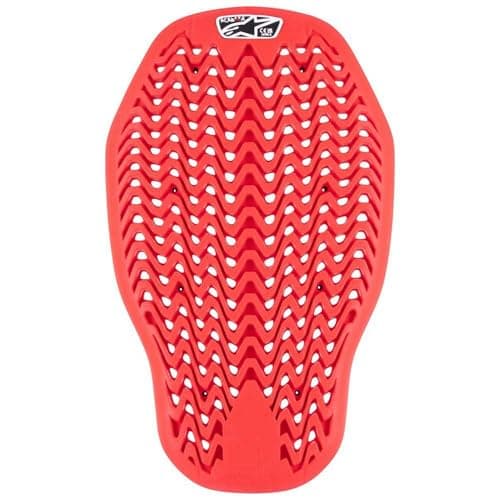
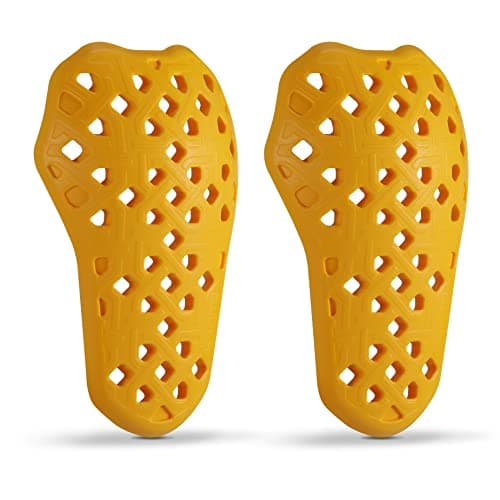
Impact protectors are consumable. Some materials are rate-sensitive and soften or harden with age, most are affected by heat and UV, and all of them are finished once they have taken a real impact. Replace a protector if it is cracked, split, permanently deformed, crumbling at the edges, noticeably harder than it used to be, or has lost its shape so it no longer sits over the joint. Also check the markings: a pad with no EN 1621-1 or EN 1621-2 marking was never certified in the first place, which is covered in our CE level comparison and CE armor levels explainer. Armor inserts are cheap enough that replacing them is a maintenance item, not a purchase decision.
After a crash: what goes in the bin
The honest rule is anything that took the impact or the slide. A helmet with your head in it goes, always. Armor that absorbed an impact goes, even if it looks fine, because that is exactly how energy-absorbing material behaves. Gloves and boots that slid go. A jacket or pants with abraded panels, opened seams or stretched armor pockets go. What can stay is gear that was not in contact and shows nothing on inspection — and where you are unsure, the thing you are protecting is worth more than the garment.
The replacement intervals worth knowing
| Item | What actually ends its life | Replace immediately if |
|---|
| Gloves | Palm wear, seam failure, closure stretch | It slid, the palm is thin, or a seam is open |
| Jacket / pants | Seam and shell wear, UV, stretched armor pockets | Abraded panels or stitching worn through |
| Boots | Sole bond, cracked leather, cracked ankle structure | Sole separating or a split ankle cup |
| CE armor | Impact, heat, UV, age hardening | It took an impact, or it is cracked or deformed |
| Helmet | Age, liner breakdown, any impact with your head in it | Any crash, or a drop you cannot clear on inspection |
The three replacements people actually need
The picks below are the ones that come up again and again when riders inspect their kit: a certified glove to replace the pair that has gone thin in the palm, and the two certified inserts that replace either worn-out armor or the foam placeholder a garment shipped with. All three are cheap relative to the garment they go into, which is why leaving them until "next season" is the wrong call.
If what you are replacing is bigger than a glove, our jackets ranking, boots ranking and back protectors ranking are the pages to start from, and how much gear costs sets expectations before you shop.