Skip to content
LID & LEATHER

The lid · Helmets

The Best Ventilated Motorcycle Helmets

Ventilation is the spec helmet makers publish least precisely. Four lids ranked on what each one is actually willing to state about its airflow - and one of them states almost nothing.

By Stephen V.Updated How we research
#ad

We earn a commission when you buy through our Amazon links, at no extra cost to you. It never affects our rankings, and we say so when the cheaper gear is the better buy. How this works.

If you want the best-documented airflow on this page, buy the AGV K3. It is the only helmet here whose maker publishes an actual, countable ventilation spec — four front vents and one rear extractor— alongside ECE 22.06, three shell sizes, four EPS densities and a published weight of 1,630 g. If the budget is the constraint, the LS2 Stream II publishes both standards, both vent positions, a lighter weight and a drop-down sun visor for a fraction of the price. And if you want the lightest shell regardless, the Bell Race Star Flex DLXis 3K carbon at 3.57 lbs — but it finishes last here, because on a page about ventilation it is the helmet that tells you the least about its own.

That is the honest problem with this whole category, and it is worth stating before the rankings rather than after. There is no ventilation standard.DOT FMVSS 218, ECE 22.06 and Snell all test impact, penetration, retention and — in ECE 22.06's case — oblique rotational impact. None of them measures airflow. Nobody certifies how cool a helmet is. So when a maker writes "superior ventilation" on a product page, there is no test behind that sentence, and there is nothing stopping any brand writing it.

What a maker can do is tell you specifically what is in the shell. Some do. This page ranks on exactly that, in this order:

  1. Does the maker publish a countable vent spec? A number of intakes and a number of exhausts is a fact you can compare. "Advanced ventilation" is not. Only one helmet here prints a number.
  2. Is the air channeled, or just let in? A vent in the outer shell does nothing unless there is a path through the EPS to your scalp and out the back. Makers who have engineered that usually name the system.
  3. What certification does it publish, and which revision? Airflow is comfort; the shell is why you are wearing it. A helmet that trades certification currency for vents is the wrong trade, and our DOT vs ECE vs Snell guide explains why the revision year matters.
  4. Weight and shell count. On a hot day, a lighter helmet on a correctly sized shell is less tiring than a heavier one with an extra vent. Shell count is also the honest measure of whether a size is a size or just thinner padding.

We have not worn these helmets, measured airflow or run a wind tunnel — we do not have one and we are not going to pretend otherwise. Every figure below is quoted from the maker's or retailer's published spec sheet, every source is linked at the bottom, and where a spec is not published we say so rather than filling the gap.

The short answer

Quick picks

#ProductBest forScorePrice
01
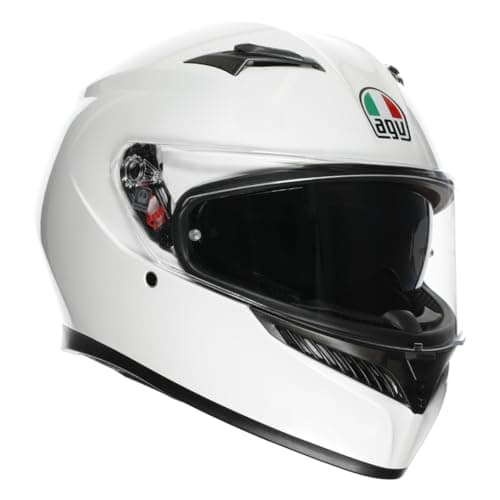
AGV AGV K3
AGV K3

The only helmet here whose maker publishes an actual vent count - four front vents and one rear extractor - alongside ECE 22.06, three shell sizes, four EPS densities and a published weight. On a page about airflow, that is the whole argument.

Best documented airflow
8.8
$295.25Amazon
02
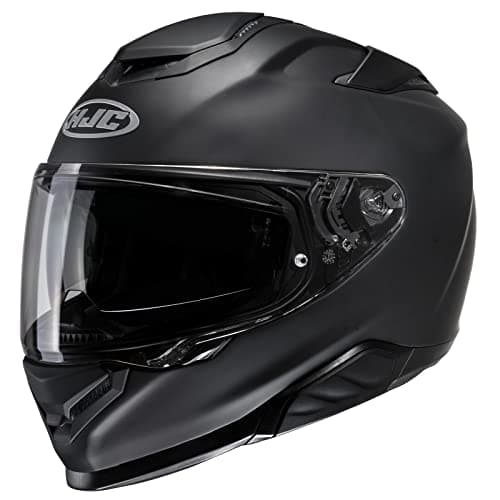
HJC HJC RPHA 71
HJC RPHA 71

HJC's touring-sport lid built around a named channeling system: the Advanced Channeling Ventilation System runs air channels through the inner shell rather than just cutting holes in the outer one, on a four-shell-size composite with the Pinlock lens included.

Best channeled ventilation
8.6
$349.99Amazon
03
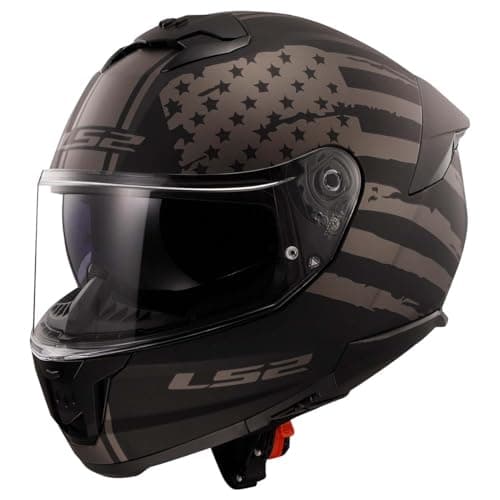
LS2 LS2 Stream II
LS2 Stream II

The budget pick that still publishes everything: chin and top vents with an exhaust port and a flow-through rear spoiler, ECE 22.06 and DOT FMVSS, 1,550 grams, three shells and five EPS liners, and a drop-down sun visor - for a fraction of what the rest of this page costs.

Best value hot-weather lid
8.4
$169.98Amazon
04
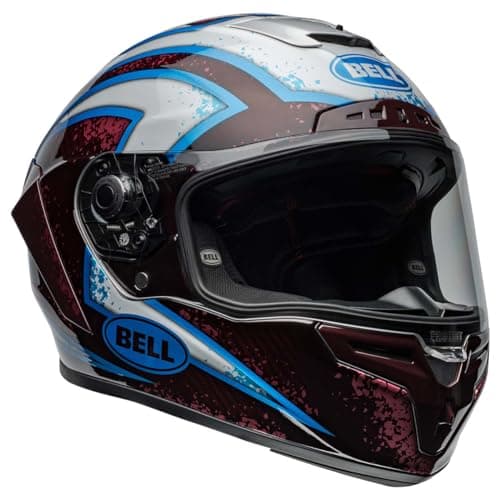
Bell Bell Race Star Flex DLX
Bell Race Star Flex DLX

The lightest and most expensively built helmet here - a 3K carbon shell in five shell sizes at a published 3.57 lbs, with a photochromatic shield in the box. It is ranked last because it is also the one that publishes the least about its airflow and the oldest certification revision.

Lightest shell, least published airflow
8.1
$589.95Amazon

#ad · Live prices from the Amazon Product API, as of October 7, 2026. Where we have no verified live price we show none — we would rather leave a gap than print a number that has rotted.

In detail

The picks, in full

01
AGV AGV K3

Best documented airflow

AGV K3

4 front vents + 1 rear extractorECE 22.063 shells / 4 EPS sizes1,630 g (first shell size)
8.8/10

The only helmet here whose maker publishes an actual vent count - four front vents and one rear extractor - alongside ECE 22.06, three shell sizes, four EPS densities and a published weight. On a page about airflow, that is the whole argument.

Published ventilation
9.4
Certification
8.8
Shell/weight
8
Fit range
8.8
Value
9

Pros

  • AGV publishes a countable ventilation spec: 4 front vents and 1 rear extractor, with adjustable air vents - no other maker on this page prints a number
  • ECE 22.06 homologation, the current European revision, on a high-resistance thermoplastic shell
  • Three shell sizes with multi-density EPS developed in four sizes, so the fit is genuinely sized rather than padded out
  • Published weight of 1,630 g in the first shell size, and AGV states a collarbone-safe profile optimized across riding positions
  • Pinlock-equipped anti-fog face shield plus a drop-down sun shield, both in the box

Cons

  • A thermoplastic shell, not a composite - the Bell and the HJC here both use fiber shells and the Bell is roughly 380 g lighter
  • AGV publishes ECE 22.06 but we could not confirm a Snell certification for this model
  • Four front vents is a real figure but AGV does not publish an airflow rate, so the count is a proxy and we treat it as one
  • Amazon stock is colorway- and size-specific; check the exact listing before ordering

Don't buy this if…

…weight is your priority: the Bell Race Star Flex DLX publishes 3.57 lbs on a 3K carbon shell, and this is the heaviest helmet here.

$295.25View on Amazon

$319.007% off

Price as of October 7, 2026. Prices change — Amazon's is the one that counts.

#ad · we may earn a commission from this link to AGV K3

02
HJC HJC RPHA 71

Best channeled ventilation

HJC RPHA 71

Advanced Channeling Ventilation SystemPremium Integrated Matrix shell4 shell sizesHJ-40 Pinlock shield included
8.6/10

HJC's touring-sport lid built around a named channeling system: the Advanced Channeling Ventilation System runs air channels through the inner shell rather than just cutting holes in the outer one, on a four-shell-size composite with the Pinlock lens included.

Published ventilation
8.8
Certification
8.6
Shell/weight
8.4
Fit range
9
Value
8.2

Pros

  • Ventilation is channeled, not just vented: HJC's ACS routes intake air through channels integrated into the inner shell and out through rear exhausts, rather than relying on holes in the outer shell alone
  • Premium Integrated Matrix shell - HJC's fiber blend of glass, aramid, carbon and organic fibers - across four shell sizes, the second-widest shell count here
  • Central chin ventilation that HJC notes is operable with gloves on, plus a large closable top intake and two rear air outlets
  • Ships with the HJ-40 Pinlock-ready shield, and the model carries an integrated drop-down sun visor
  • DOT approved per the US listing, with ECE 22.06 homologation on the European version of the same helmet

Cons

  • We could not verify a single consistent published weight for the US-market RPHA 71, so this page does not quote one - the AGV, LS2 and Bell all publish theirs
  • HJC names the ventilation system but does not publish a total vent count the way AGV does
  • No Snell certification published for this model
  • Amazon stock runs thin and is colorway-specific; check the size you need is listed

Don't buy this if…

…you want a published weight before you buy: HJC is the one maker here that does not give you a number you can compare.

$349.99View on Amazon

Price as of October 7, 2026. Prices change — Amazon's is the one that counts.

#ad · we may earn a commission from this link to HJC RPHA 71

03
LS2 LS2 Stream II

Best value hot-weather lid

LS2 Stream II

Chin + top vents, rear spoiler exhaustECE 22.06 + DOT FMVSS3 shells / 5 EPS liners1,550 ±50 g (M-L)
8.4/10

The budget pick that still publishes everything: chin and top vents with an exhaust port and a flow-through rear spoiler, ECE 22.06 and DOT FMVSS, 1,550 grams, three shells and five EPS liners, and a drop-down sun visor - for a fraction of what the rest of this page costs.

Published ventilation
8.4
Certification
8.8
Shell/weight
8.2
Fit range
8.6
Value
9.6

Pros

  • LS2 publishes both standards by name - ECE 22.06 and DOT FMVSS - which is more than two of the pricier helmets here manage
  • Chin and top vents combined with an exhaust port, plus a rear spoiler LS2 describes as allowing dynamic flow-through ventilation
  • Three shells and five energy-absorbing EPS liners at this price, which is an unusually sized fit for a budget lid
  • Published weight of 1,550 ±50 g in M-L, lighter than the AGV despite costing far less
  • Integrated sun visor plus a scratch-resistant main visor prepared for the Pinlock 70 MaxVision insert

Cons

  • The Pinlock insert is not included - the shield is only prepared for it, so budget for the lens separately
  • A KPA polymer-alloy shell rather than a fiber composite; LS2 describes aramid fibers blended into the polymer, which is not the same claim as a composite layup
  • LS2 does not publish a vent count, only the vent locations
  • No Snell certification published for this model

Don't buy this if…

…you want the anti-fog insert in the box: the HJC RPHA 71 ships with its Pinlock shield and this one does not.

$169.98View on Amazon

Price as of October 7, 2026. Prices change — Amazon's is the one that counts.

#ad · we may earn a commission from this link to LS2 Stream II

04
Bell Bell Race Star Flex DLX

Lightest shell, least published airflow

Bell Race Star Flex DLX

3K carbon shell, 5 shell + 5 EPS sizes3.57 lbs publishedPanovision ProTint photochromatic shield includedSnell M2015 + DOT
8.1/10

The lightest and most expensively built helmet here - a 3K carbon shell in five shell sizes at a published 3.57 lbs, with a photochromatic shield in the box. It is ranked last because it is also the one that publishes the least about its airflow and the oldest certification revision.

Published ventilation
6.8
Certification
7.4
Shell/weight
9.6
Fit range
9.4
Value
7

Pros

  • A 3K carbon shell in five shell and five EPS sizes - the finest size granularity on this page by a clear margin
  • The lightest published weight here at 3.57 lbs, which matters most on exactly the long hot days this page is about
  • The Panovision ProTint photochromatic shield is included in the box and darkens and clears with the light, which removes the sunglasses problem entirely
  • Flex three-layer impact liner, Virus Cool Jade power mesh liner and Magnefusion magnetic cheek pads
  • Snell certification at all, which no other helmet on this page carries

Cons

  • The US spec sheet states Snell M2015 - a superseded revision; Snell has published M2020 and M2025 since, and no ECE revision is listed on that sheet at all
  • Bell names a Velocity Flow Ventilation system on its European listings but publishes no vent count anywhere we could verify, which is a thin airflow claim on a helmet at this price
  • No Pinlock insert mentioned as included, despite the price
  • By far the most expensive helmet on this page

Don't buy this if…

…you are buying on the certification line: the AGV K3 and the LS2 Stream II both publish ECE 22.06, the current revision, for a lot less money.

$589.95View on Amazon

Price as of October 7, 2026. Prices change — Amazon's is the one that counts.

#ad · we may earn a commission from this link to Bell Race Star Flex DLX

What each maker actually publishes

HelmetPublished airflow detailShellPublished weightCertification
AGV K34 front vents, 1 rear extractorThermoplastic, 3 shells / 4 EPS1,630 g (first shell)ECE 22.06
HJC RPHA 71ACS channeling: chin + top intake, 2 rear outletsPremium Integrated Matrix, 4 shellsNot publishedDOT (ECE 22.06 on the EU version)
LS2 Stream IIChin + top vents, exhaust port, rear spoilerKPA, 3 shells / 5 EPS1,550 ±50 g (M-L)ECE 22.06 + DOT FMVSS
Bell Race Star Flex DLXVelocity Flow named, no count published3K carbon, 5 shells / 5 EPS3.57 lbsSnell M2015 + DOT

A vent is a hole. A channel is a system.

This is the distinction that separates a helmet that actually moves air from one with decorative slots, and it is the reason the HJC finishes second despite publishing no vent count.

Air entering a brow vent has to go somewhere. If the EPS liner behind that vent is solid, the air hits foam and stops; you get a cold patch on your forehead and nothing else. A channeled helmet cuts grooves into the inner surface of the EPS so incoming air runs backwards across your scalp and leaves through rear exhausts, pulled by the low-pressure zone behind your head at speed. HJC calls its version the Advanced Channeling Ventilation System and describes air channels integrated into the inner shell that distribute fresh air internally. LS2 gets at the same idea from the exhaust end with a rear spoiler it says allows dynamic flow-through ventilation.

The practical test, when you have the helmet in your hands, costs nothing: take the comfort liner out and look at the EPS. If you can see moulded channels running from the front vents to the rear exhausts, the airflow claim has engineering behind it. If the foam is smooth, it does not.

Why the most expensive helmet here finishes last

The Bell Race Star Flex DLX is, on paper, the best-built helmet on this page: a 3K carbon shell, five shell and five EPS sizes, the lightest published weight here, a three-layer Flex impact liner and a photochromatic Panovision shield included in the box. It is also roughly three times the price of the LS2.

We rank it fourth for two documented reasons. First, on a ventilation page it publishes no ventilation figure: Bell names a Velocity Flow Ventilation system on its European listings, but we could not find a vent count on any spec sheet we were willing to cite. Second, the US spec sheet states "meets or exceeds Snell M2015 and DOT certifications" — and M2015 is a superseded Snell revision. Snell has published M2020 and M2025 since. It also lists no ECE revision at all, where the AGV and the LS2 both publish ECE 22.06, the current one.

None of that makes it a bad helmet. A Snell-certified carbon shell is a serious piece of equipment and the Snell mark is one no other pick here carries. But our method ranks what makers are willing to document, and by that measure a $150 helmet publishing two current standards and its vent positions tells you more than a $590 one publishing an old Snell revision and an adjective. If certification is what you are buying, read our are expensive helmets safer guide before you spend.

The three things that cool you that are not vents

Weight. Heat exhaustion on a long summer ride is as much about neck fatigue as temperature. The Bell at 3.57 lbs and the LS2 at 1,550 g are the two lightest here; the AGV at 1,630 g is the heaviest. A lighter helmet on a hot day is a real comfort gain that no vent count captures.

The liner. A moisture-wicking removable liner moves sweat off your scalp so the airflow has something to evaporate. All four here have removable washable liners, and that matters more in August than in any other month — our helmet cleaning guide covers doing it without wrecking the padding.

Shell fit. A helmet one size too tight compresses the air gap the ventilation depends on and presses the liner flat against your head. This is the most common reason a well-vented helmet feels stifling, and it is a fit problem rather than a ventilation one. Our helmet fit guide and head shapes guide cover getting that right first.

Ventilation versus quiet: the same engineering, opposite ends

It is worth knowing that you cannot have maximum airflow and maximum quiet in one helmet, because they are the same variable read in opposite directions. Open vents are holes, and moving air across a hole makes noise. A helmet engineered to be silent seals tightly and manages turbulence; a helmet engineered to flow air deliberately lets it through.

Most good helmets, including all four here, let you close the vents, so the practical answer is to buy for the hot end and shut them when you want quiet. But if long quiet touring miles matter more to you than August traffic, our quietest helmets ranking is the list built from the other end of the same trade. And whichever way you go, earplugs do more for wind noise than any shell design does.

Which one should you buy?

Buy the AGV K3 if you want the clearest published airflow spec on the page backed by a current certification: four front vents, one rear extractor, ECE 22.06, three shells with four EPS densities, a Pinlock lens and a sun shield in the box. Buy the HJC RPHA 71 if you want channeled airflow rather than counted holes, on a four-shell composite with the Pinlock shield included. Buy the LS2 Stream IIif value is the deciding factor — it is the only helmet here publishing both ECE 22.06 and DOT FMVSS, it is lighter than the AGV, and it includes a drop-down sun visor, which our sun visor ranking covers in full. And buy the Bell Race Star Flex DLX only if a Snell-rated carbon shell and a photochromatic shield are what you actually want, accepting that its published Snell revision is an old one and its airflow claim is a name rather than a number.
How we picked

We don't test helmets. Here's what we do instead.

Everyone in this category says they tested twenty helmets. We haven't tested any — and we say so. What we do instead: compile the published DOT, ECE 22.06 and Snell certifications, the manufacturer's fit, weight and shell specs, the CE armor levels, and reputable published reviews, then score each pick against a published rubric. The scores are judgments from documented research — not measurements we took, because we do not run a lab and we are not going to pretend we do. Every certification and spec claim traces to a source we name and link.

Questions

Frequently asked

Is there a standard for motorcycle helmet ventilation?
No. DOT FMVSS 218, ECE 22.06 and Snell all test impact, penetration and retention, and ECE 22.06 adds an oblique rotational test. None of them measures airflow, and no body certifies how cool a helmet is. That is why this page ranks on what each maker is willing to publish about its own vents rather than on any score.
How many vents should a motorcycle helmet have?
The count matters less than whether the air has a path through the helmet. Four well-channeled intakes with real rear exhausts move more air than eight holes in front of solid EPS. Pull the comfort liner out and look for moulded channels in the foam running front to back - that is the engineering the vent count is a proxy for.
Are more vents less safe?
Not in a certified helmet. Vents are designed into the shell and the EPS before the helmet is submitted for testing, and it is certified as a complete product with them fitted. Every helmet on this page carries at least one published certification. A vent cut into a shell afterwards is a different matter entirely and ruins the helmet.
Does a ventilated helmet make more wind noise?
Usually, yes, and it is the same engineering read from the opposite end: airflow needs openings and openings make noise. All four helmets here let you close the vents, so the practical approach is to buy for the hot end and shut them for quiet touring. Our quietest helmets ranking is the list for riders who weight it the other way.
Is a white helmet cooler than a black one?
In direct sun at a standstill, a light shell absorbs less radiant heat than a dark one, and you will notice it waiting at lights. Once you are moving, airflow through the helmet dominates and the color difference largely disappears. Buy the shell that fits and vents properly first - but if you are choosing between colorways for a hot climate, lighter is the marginally better pick, and more visible to drivers besides.
Will a ventilated helmet be cold in winter?
Only if you leave the vents open. Every helmet here has closable intakes, and a closed full-face is a warm place. The winter problem is fogging rather than cold, because closing the vents traps your breath against a cold shield - which is what an anti-fog insert solves. Our anti-fog inserts ranking covers it, and note that the LS2 here is only prepared for one rather than shipping with it.

Keep reading

Receipts

Sources

We do not run a testing lab, and we do not pretend to. Our picks are built from published certifications, manufacturer spec sheets, the standards documents themselves, and reputable published reviews — named and linked above. Where we could not verify something, we say so on the page rather than quietly leaving it out. Read our full method.