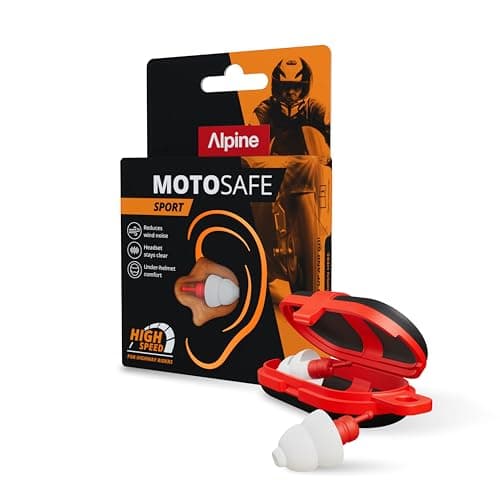
The honest answer first: earplugs are the only fix that reliably removes a large amount of noise, and everything else on this page makes a smaller difference than the internet promises.If you want one purchase, buy a filtered riding plug that publishes a tested figure — the Alpine MotoSafe Sport publishes SNR 20 against EN 352-2 and keeps intercom speech and sirens intelligible. Then, in order of how much they actually change: seal the gap under your chin, stop the helmet being the wrong size, sort out the air coming off your screen, and keep the visor fully closed.
It helps enormously to understand where the noise comes from, because almost everybody attacks the wrong place. Helmet noise is aerodynamic: it is generated by turbulent air, and the dominant path into your ears is not the shell above your eyes but the gap under the chin bar and around your neck, where fast-moving, already-turbulent air meets an open cavity. That is why a helmet that is quiet on one bike is loud on another, why a taller windscreen can make noise worse rather than better, and why fitting thicker cheek pads does less than fitting a chin curtain.
It also matters because of what sustained noise does. Riding at highway speed puts your ears in a sound field loud enough that duration starts to matter — this is the mechanism behind the riders who notice tinnitus after a long day, and it is cumulative and permanent. You cannot feel hearing damage happening, which is exactly why it is worth fixing before it bothers you.
The fixes, in order of how much they do
- Earplugs. Nothing else is close. A filtered riding plug or a reusable flanged plug takes a large, immediate bite out of the noise floor, and a well-seated plug does it every single ride regardless of bike, screen or helmet. The choice that matters is filtered versus sealed: a filter attenuates less overall but keeps speech, sirens and horns intelligible, which is why we rank the filtered plug first for most riders. Our earplugs ranking covers the whole field and the published numbers behind each one.
- Close the gap under your chin. A chin curtain, a neck roll or a neck tube pulled up over the bottom of the helmet interrupts the turbulent air entering the helmet cavity from below, which is the main noise path. This is the single most effective non-earplug change on most helmets. A balaclava or neck warmer does the same job in cold weather — see our balaclavas and neck warmers ranking — and it is worth noting a loose neck gaiter can flap and add noise of its own.
- Fix the fit before you buy accessories. A helmet one size too large moves on your head, lets air past the neck roll and lifts at speed, and all three are noise. A helmet that is the wrong shape for your head leaves gaps at the temples or the back. Get this right first: our fit check, head shapes guide and pressure points guide are the sequence, and new cheek pads in the correct size are far cheaper than a new helmet.
- Sort out the air coming off your screen. A windscreen that puts its turbulent edge exactly at helmet height is the loudest configuration there is — worse than no screen at all. The test is free: ride the same road at the same speed sitting an inch lower and an inch higher, and listen. If tucking down is quieter, the screen is too tall for you; if sitting up is quieter, it is too short. Adjust, shim or change the screen accordingly before blaming the helmet.
- Close the visor properly and shut the vents you are not using. A visor cracked open for fog is a hole in a pressurised cavity, and it is loud. Fix the fog instead: a Pinlock-style insert and a breath guard are the real answer, covered in our anti-fog inserts ranking and fogging guide. Open chin and brow vents also add some noise, which is a trade worth making in heat and not worth making in winter.
- Then, if you are still bothered, change the helmet. Shell shape, visor sealing, neck-roll design and aerodynamics genuinely differ between helmets, and the quietest lids are engineered for it. It is the most expensive fix on this list, which is why it is last — our quietest helmets ranking covers which makers publish what.
Reading the numbers on a pack of earplugs
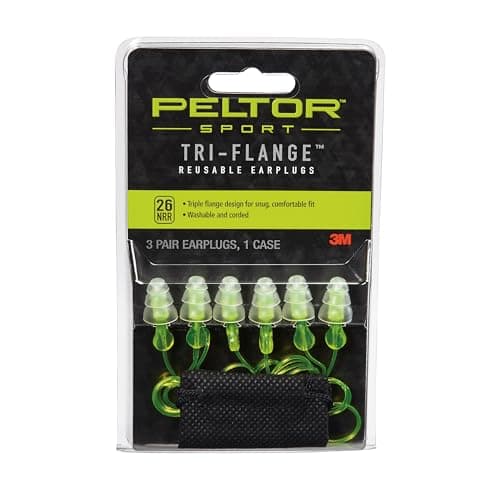
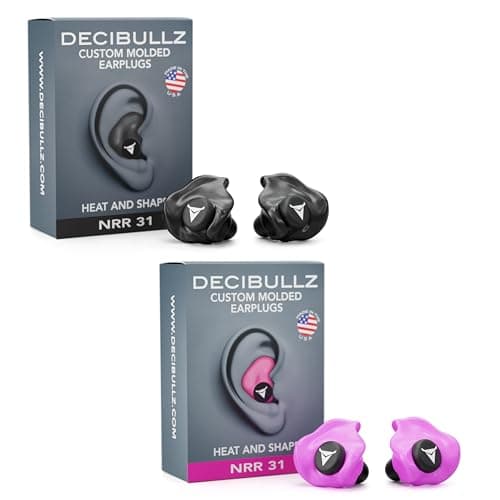
Two different systems, and they do not convert cleanly. NRRis the US label figure, tested to ANSI S3.19 — the 3M Peltor plug below publishes NRR 26 and the Decibullz publishes NRR 31. SNRis the European single-number rating — Alpine publishes SNR 20 for the MotoSafe Sport against EN 352-2. A plug with a bigger number attenuates more broadly; it does not follow that it is the better riding plug, because the thing you want preserved is speech and siren audibility. Any plug quoting a bare decibel figure with no standard named is quoting marketing, not a test.
The other number that matters is not on the pack: how deeply you seated it. A foam plug rolled thin and inserted properly gets close to its label; the same plug poked in at the entrance to the ear canal is worth a fraction of it. A custom-molded plug like the Decibullz exists mainly to solve that problem and the working-loose that a helmet strap and chin bar cause over a long day.
What does not work
- Music to cover the noise.You are adding sound, not removing it, and you will turn it up to beat the wind. If you ride with an intercom, wear plugs and turn the volume down — a filtered plug actually improves intercom intelligibility at speed by lowering the noise floor rather than the speech.
- Stuffing the helmet with extra padding. Noise is coming in through the neck opening, not through the EPS liner, and over-padding a correctly sized helmet creates pressure points instead.
- Taping vents shut. Vent noise is real and minor, and a helmet with its vents taped fogs instead. Shut them with the slider in winter and open them in summer.
- Assuming a more expensive helmet is a quieter helmet. Quiet is an engineering choice, not a price tier, and the loudest helmet on a given bike may be the most expensive one in the garage because of how its screen and your height interact.
The picks, and what each one publishes
| Pick | What it does | Published figure | Who it is for |
|---|
| Alpine MotoSafe Sport | Filtered riding earplug | SNR 20, tested to EN 352-2 | Most riders, especially with an intercom |
| 3M Peltor Sport Tri-Flange | Reusable flanged earplug, no filter | NRR 26 (3M published) | Cheapest route to a real US label number |
| Decibullz Custom Molded | Re-moldable thermoplastic earplug | NRR 31, tested to ANSI S3.19 | Plugs that keep working loose under a helmet |
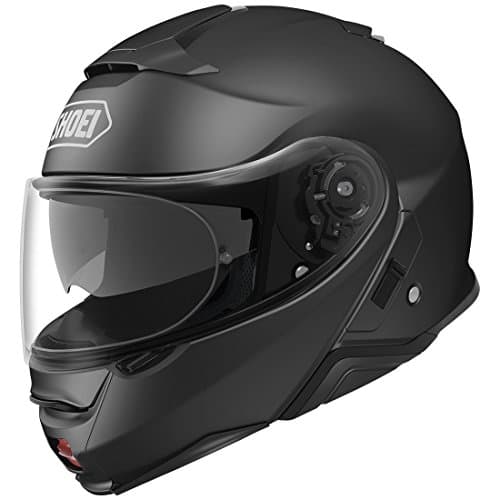
| Shoei Neotec II | The structural fix: a quiet helmet | DOT certified; Shoei publishes its aero and sealing work | When the helmet itself is the problem |
Pair it with the right intercom setup
Riders often assume plugs and an intercom are in conflict. In practice they are complementary: lowering the broadband wind noise with a filtered plug raises the signal-to-noise ratio of the speech coming out of the speakers, so you run less volume for better intelligibility. What matters is speaker placement — speakers sitting directly over the ear canal in the helmet's speaker pockets, not pushed off to one side. Our intercom install guide covers placement, and our intercoms for music page covers which units have the speakers to cope at highway speed.
If you are shopping rather than fixing, the two pages that follow this one are our earplugs ranking for the full field of hearing protection and the quietest helmets ranking for shells engineered around this problem.
How we picked
Everyone in this category says they tested twenty helmets. We haven't tested any — and we say so. What we do instead: compile the published DOT, ECE 22.06 and Snell certifications, the manufacturer's fit, weight and shell specs, the CE armor levels, and reputable published reviews, then score each pick against a published rubric. The scores are judgments from documented research — not measurements we took, because we do not run a lab and we are not going to pretend we do. Every certification and spec claim traces to a source we name and link.