Touring is where a helmet earns its money. On a long day it is the difference between arriving fresh and arriving fried — quiet, low weight, a sun visor for changing light, and the convenience of a chin bar you can flip up at every stop all add up over the miles. We didn't crash-test any of these; we compiled the certifications each one carries, the shell and weight specs from the manufacturers, and the fit and noise reputation from riders and reputable published reviews, then ranked on what a long-distance rider actually feels. Every pick is DOT certified at a minimum.
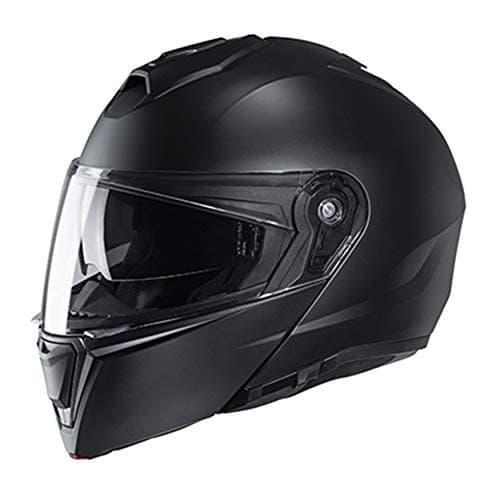
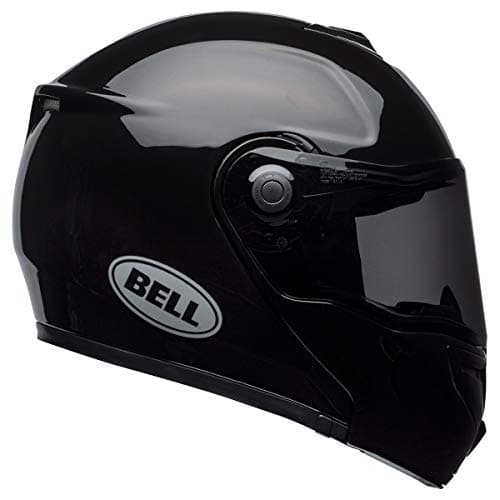
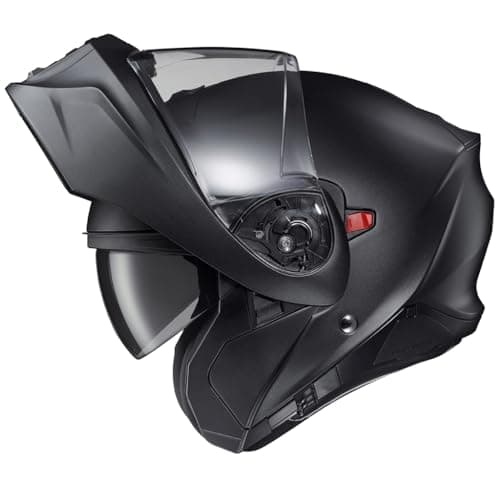
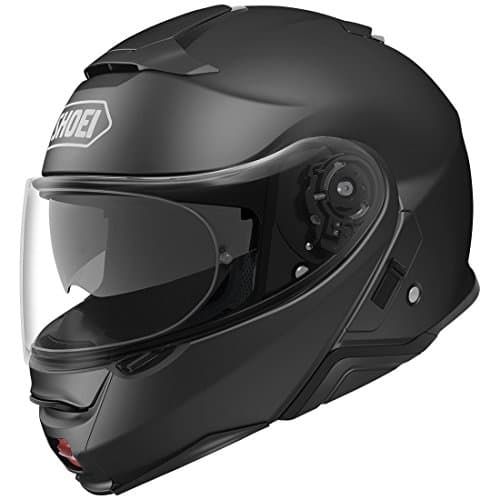
Our top pick is the Shoei Neotec II: the touring modular the rest are measured against, with a sealed multi-composite shell, an internal sun visor, one of the quietest cabins made, and a clean factory Sena comms path. For a value modular that does nearly everything, the HJC i90 adds ECE certification and a comfortable long-day fit; the Bell SRT Modular brings a huge Panovision field of view for less; and the Scorpion EXO-GT930 converts between full-face, modular and open-face so one lid covers highway slabs and around-town heat.
Modulars dominate this list for a reason — the flip-up front is worth its small weight penalty on a touring day — but the real decider is still fit and a good seal. Measure with our sizing guide, and if you plan to run rider-to-rider comms, our best intercoms guide covers the headset to pair with these speaker pockets. For the certification detail behind the picks, see DOT vs ECE vs Snell.
One honest note: a full-face can tour beautifully too. If you rarely stop and want the lightest, quietest option, a sealed full-face like the Shoei RF-1400 gives up only the flip-up convenience — see how the two types stack up in our modular vs full-facecomparison. For most touring riders, though, the modular's everyday flexibility wins, which is why it leads this list.
How we ranked these touring lids
Certification first — every pick clears DOT and several add ECE 22.06 — then the four things that decide a long day: quiet(a sealed shell and wind collar so highway roar doesn't wreck your hearing and energy), convenience (a flip-up chin bar and easy on-off for frequent stops), comms-readiness (a clean path for an intercom, or one built in), and a drop-down sun visor so changing light never forces you to stop and swap eyewear. Weight and comfort break the ties. A helmet that stays comfortable at hour six is worth more on tour than one that wins a spec sheet.
Comfort over the miles
Beyond the headline features, a touring lid lives or dies on the small comforts. A plush, moisture-wicking liner that doesn't pack flat keeps the fit true at hour six; good ventilation you can open and close on the move handles a climb from a cool valley into a hot plain; and a Pinlock-ready shield stops the fog that ruins a dawn start. The Neotec II leads on refinement here, but the value picks are no penalty box — the HJC i90 in particular is comfortable well beyond its price. Match all of it to your head shape, because the plushest liner can't rescue a helmet that hot-spots.
Choosing a touring helmet
Prioritize quiet and a sealed fit.Sustained wind noise is the fatigue you don't notice until your ears ring, so favor a lid with a good neck roll and, on a modular, a well-sealed chin bar — the Neotec II is the benchmark here, and the field on our quietest helmets page shows the rest. Even in the quietest lid, wear earplugs; they cut the damaging high-frequency roar while still letting you hear traffic.
Sort comms and sun protection. A built-in or easily added intercom keeps you in touch with a pillion or a group without stopping — a modular with speaker pockets makes this painless. A drop-down internal sun visor is close to essential on tour, letting you shade your eyes through a tunnel or a low sun without carrying a second visor. Get the size and shape right first (our measuring guidehas the method), because no feature rescues a helmet that hot-spots by lunchtime.
Finally, think about weather and visibility. A touring helmet meets rain, dark and glare in one trip, so a Pinlock insert against fog, a light-transmitting clear shield for night, and reflective or high-viz shell options all earn their place. If you ride into the dark often, a photochromic or swappable shield saves stopping to change visors. None of this replaces the basics — certification and fit — but on a long, all-conditions day these are the details that keep you comfortable and seen.