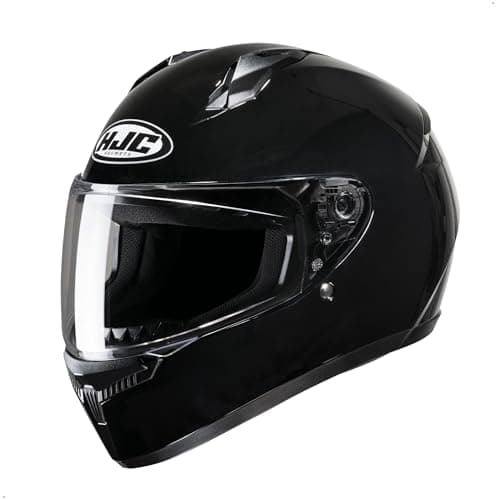
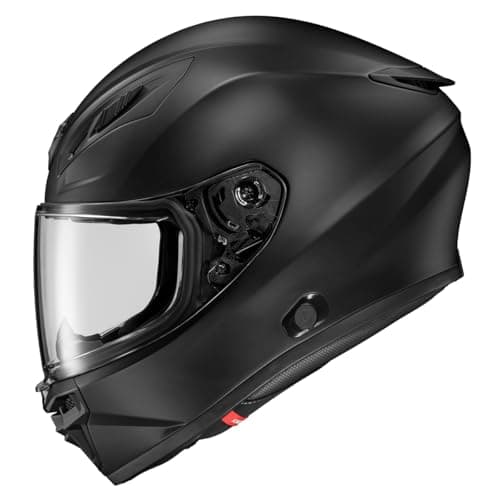
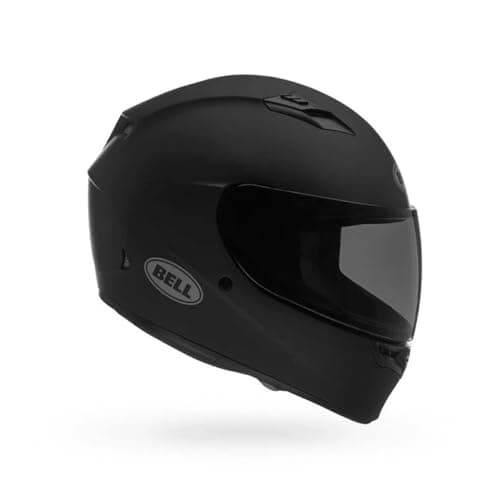
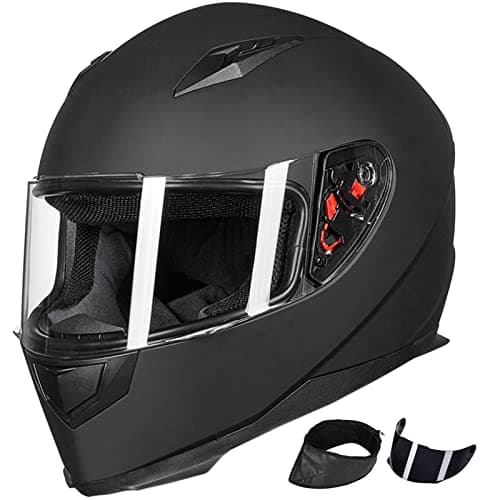
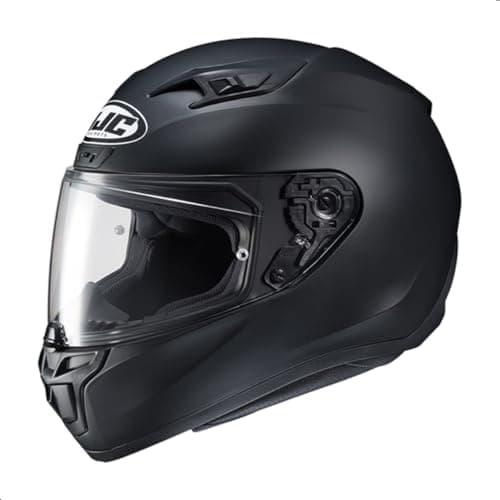
The single most important thing about a helmet — a real safety certification — costs almost nothing extra. That's the whole premise of this page: a certified budget helmet protects to the same published standards as a flagship costing four or five times as much. What you give up down here is weight, quiet and refinement, not protection. We didn't crash-test any of these; we compiled the certifications each one carries, the shell and fit specs, and reputable owner reviews, then ranked them on protection and comfort per dollar.
Our best-value pick is the HJC i10: DOT and Snell M2020 certified, a Pinlock-ready shield in the box, and a comfortable rounder-to-intermediate fit, for roughly a fifth of a premium lid's price. The HJC C10 is the safest way to spend even less while keeping ECE certification; the Scorpion EXO-R430 adds a drop-down sun visor and a composite shell in the mid-budget range; the Bell Qualifier is the classic budget full-face that fits rounder heads; and the ILM full-face is the honest rock-bottom option — a genuinely DOT-certified lid, not a novelty helmet.
Two rules keep a budget helmet a smart buy rather than a false economy. First, never drop below a real certification — avoid any "novelty" or "not-for-road-use" lid, which skips testing entirely; our certification explainer shows what to look for. Second, spend your savings on fit, not graphics — a cheaper helmet in the right size and shape out-protects a pricier one that doesn't. Measure with our size chart before you buy.
How we ranked budget helmets
Certification first — every pick clears DOT, and most add ECE 22.06, the current, more demanding European standard with rotational testing — then fit range (how many heads each suits), then weight and comfort (a lighter, quieter lid you wear more), then value. We rank the best protection-and-comfort-per-dollar at the top. The budget picks here run from about $70 to $185, and a first-time buyer can land a certified, feature-complete lid at any point in that range.
The clearest way to see what the extra money buys is to put a premium shell next to a value one. Our Shoei vs HJC comparison does that model for model, in the same published-spec terms this page uses.
Spending a little, safely
Chase ECE, not Snell, on a budget.ECE 22.06 is available at budget prices (several picks here carry it) and is the tougher current standard; Snell is a track-day certification worth paying up for only if you need it. Don't let the hunt for a Snell sticker push you into overspending on a street helmet.
Buy the fit, then the features.A drop-down sun visor and Pinlock-ready shield are genuinely nice at this price, but they're tiebreakers — get the size and head shape right first. New to riding? Our beginner helmet roundup ranks these by how forgiving they are for a first buy, and the gear cost guidebudgets the rest of the kit. A new certified helmet at this end of the market is also the honest alternative to buying second-hand — our used helmet guide explains why the one disqualifying fact about a used lid is the one you cannot see.
How we picked
Everyone in this category says they tested twenty helmets. We haven't tested any — and we say so. What we do instead: compile the published DOT, ECE 22.06 and Snell certifications, the manufacturer's fit, weight and shell specs, the CE armor levels, and reputable published reviews, then score each pick against a published rubric. The scores are judgments from documented research — not measurements we took, because we do not run a lab and we are not going to pretend we do. Every certification and spec claim traces to a source we name and link.