Adventure boots have the hardest brief in motorcycling. A road boot only has to handle pavement. A motocross boot only has to handle dirt, and nobody expects to walk in one. An adventure boot has to protect your shin from a rock strike, resist your ankle folding when the bike goes over, keep a river crossing out, survive being scraped down a foot peg for five thousand miles — and then let you walk into a diner without looking like a stormtrooper or moving like one.
Nothing does all of that equally well, which is why this category splits so cleanly by shaft height. Tall boots protect the shin and resist torsion; short boots walk. We ranked these on published CE EN 13634 certification first, because that is the number you can verify, then on where each boot lands on that trade.
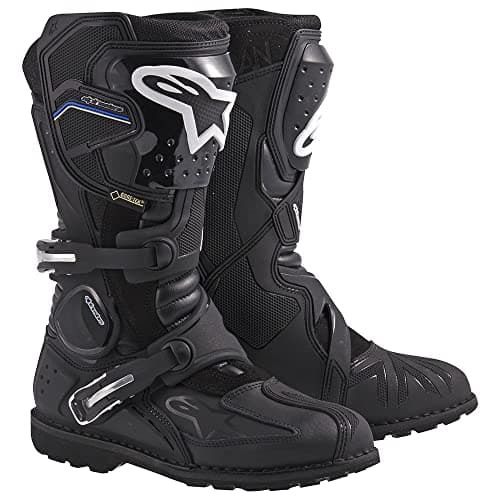
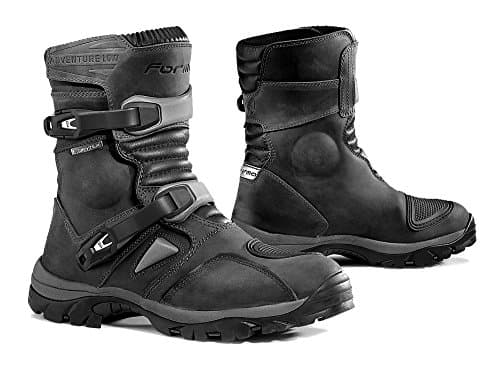
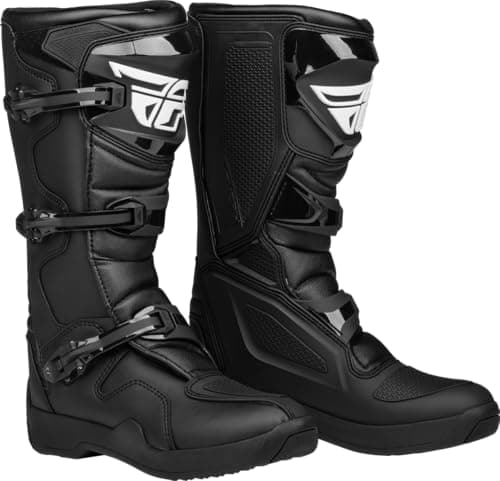
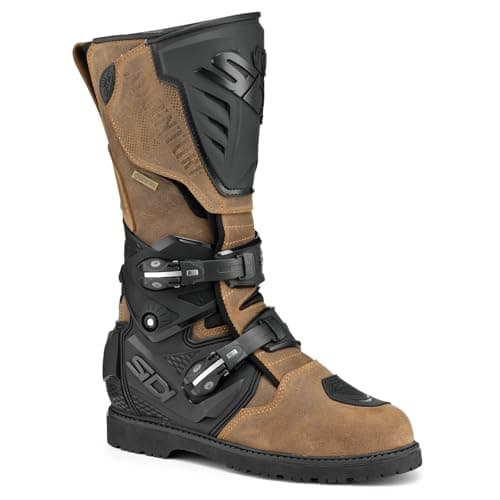
The Sidi Adventure 2 takes the top spot for publishing a Level 2rating across rigidity, impact, abrasion and cut — the only boot here with that breakdown on the label. The Alpinestars Toucan is the category benchmark and the better boot for wide calves. The Forma Adventure Low is the one for riders whose adventure involves as much walking as riding. And the FLY Racing Maverik LTgets CE certification and a real shin guard into a boot at roughly a quarter of the Toucan's price.
EN 13634, and why the Level 2 breakdown matters
EN 13634is the CE standard for motorcycle footwear, and it does not produce a single score. It rates four separate things — height, abrasion resistance, impact cut resistance and transverse rigidity(how hard the boot is to crush from the side) — each at Level 1 or Level 2.
Most makers just say "CE certified," which is true and tells you almost nothing about which levels. Sidi publishes Level 2 for rigidity, impact, abrasion and cut on the Adventure 2 under EN 13634:2017, and that specificity is why it takes the top spot here. Alpinestars publishes EN 13634:2010 certification on the Toucan; Forma and FLY publish CE certification without a level breakdown. When a maker is specific, that is a signal worth paying for. Our how to choose motorcycle boots guide takes the standard apart in more detail.
Shaft height: the single decision that shapes everything else
A tall adventure boot — the Sidi, the Toucan, the Maverik — puts a plastic shin plate between your leg and the world. That matters more than most road riders realize: on rough ground, the things that hit your shin are rocks, roots, the bike's own foot peg and, in a fall, the bike. Height also gives the boot leverage to resist your ankle folding sideways, which is the injury that ends adventure trips.
A short boot like the Forma Adventure Low gives all of that up and buys back something real: you can walk in it. If your riding is long pavement days with unpaved sections, and you spend evenings off the bike, that trade can be exactly right. If your riding involves actual dirt, it is not. Our short vs tall boots comparison runs the trade properly.
Torsion control is the protection nobody photographs
Ankle injuries in off-road riding are usually not impacts. They are torsion— the foot stays where it is and the leg rotates, or the boot rolls over sideways. Sidi calls its answer an anti-torsion system; Alpinestars uses a flexible ankle protection system plus TPU in the heel counter; FLY uses an articulated hinge that allows natural fore-and-aft movement while resisting hyperextension.
They are all attacking the same problem: let the ankle flex the way it needs to for the foot controls, stop it doing anything else. A boot with a stiff sole and a steel shank is doing quiet work here too, because a sole that folds around a foot peg takes your foot with it.
Gore-Tex, Drytex, or a gaiter — know which one you are buying
Waterproofing is where adventure boots differ most in real use. Gore-Tex in the Sidi and the Toucan is a bonded membrane with a published performance standard behind it, and the Sidi adds a full-length gaiter for water crossings deeper than rain. Drytexin the Forma is Forma's own waterproof and breathable liner. The FLY Maverik LT has an elastic gaiter, which keeps dirt and debris out — that is not the same thing as a waterproof membrane, and we scored it accordingly.
If you ride weather rather than just ride, this is worth the money. If you want the waterproofing conversation on its own terms, our waterproof boots ranking covers membranes across every boot type.
Buckles, calves and the parts that break
Adventure boots live outdoors and get abused, so pay attention to what is replaceable. The Toucan and the Sidi both use replaceable buckles— aluminum on the Alpinestars, micro-adjustable cam-lock on the Sidi — because a broken buckle otherwise means a broken boot. The FLY uses three aluminum quick-lock buckles with memory straps you can work with gloves on, which sounds trivial until you are adjusting a boot at a cold roadside.
Calf fitis the other thing that ruins a purchase. Adventure boots are worn over pants and, in cold weather, over a liner. The Toucan's wide-entry Velcro aperture exists specifically to give a broad range of calf adjustment. If you have larger calves, put that near the top of your list — a boot you cannot fasten over your riding pants is a boot you will not wear.
Which one should you buy?
Buy the Sidi Adventure 2 if you want the highest published CE breakdown here and an anti-torsion system aimed at the injury that actually happens. Buy the Alpinestars Toucan if you need calf adjustment, want Gore-Tex and a vertical-blade shin plate, and expect to keep the boot for years. Buy the Forma Adventure Lowif you ride pavement to trailheads and want a CE-certified waterproof boot you can walk in — and take Forma at its word that it is not for aggressive off-road. And buy the FLY Racing Maverik LT if you want CE certification and a proper shin guard for the least money, accepting that you are buying a dirt boot with a debris gaiter rather than a waterproof one. Whatever you pick, our main boots ranking puts the adventure category in context with sport, touring and cruiser boots.