If you wear glasses, the wrong helmet is a special kind of misery: temples jammed against your temples, a pressure headache by the second hour, and a fight to get the arms past the cheek pads every time you put it on. The fix is a helmet designed for it — one with a taller eye-port, dedicated glasses channelsmolded into the cheek pads, and ideally a flip-up front so you can seat the glasses first. We didn't crash-test these; we compiled the eye-port and comfort specs, the certifications and reputable owner reports, then ranked on how painlessly they take glasses. Every pick clears DOT at a minimum.
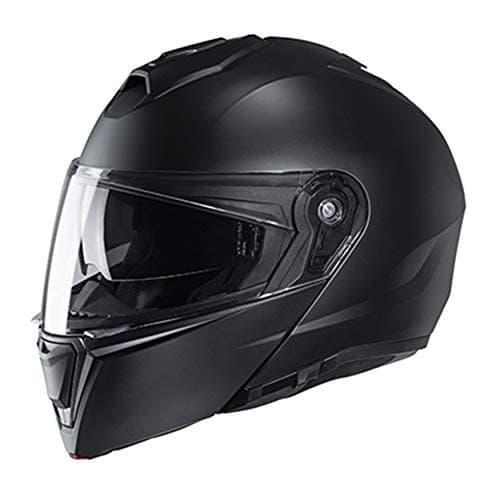
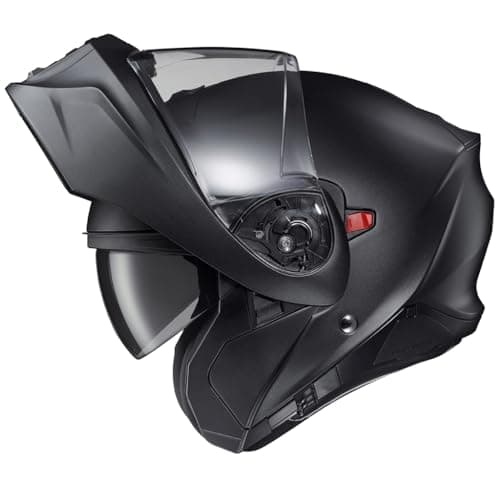
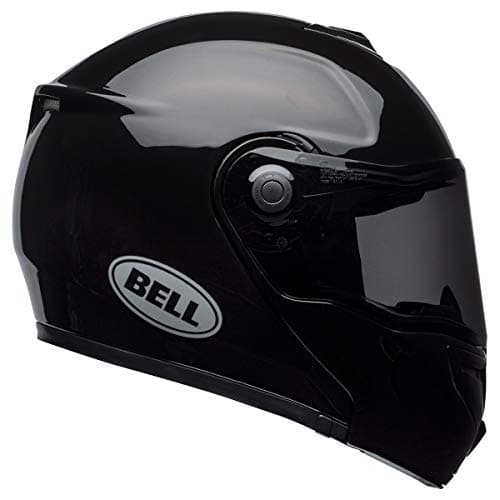
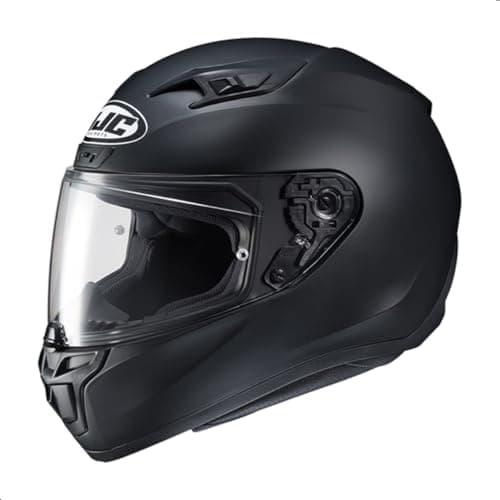
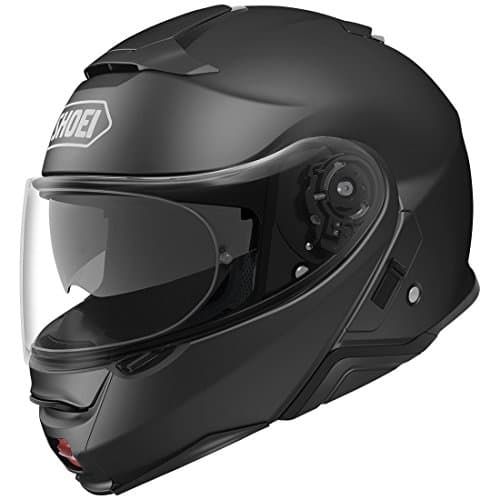
Modulars win here, and the Shoei Neotec II leads: flip the chin bar up, settle your glasses, close it, and its glasses-friendly interior does the rest — plus a drop-down sun visor so you can swap between clear and shaded without changing eyewear. The value HJC i90 and the convertible Scorpion EXO-GT930 bring the same flip-up-and-seat trick at lower prices, the Bell SRT Modular adds a huge Panovision eye-port, and among full-faces the HJC i10 has a notably accommodating cheek-pad channel.
Two things decide comfort as much as the helmet: correct fit(a lid that's too tight will always crush the temples — measure with our sizing guide) and a built-in sun visor so you keep your prescription lenses and just drop a tint when the sun comes out. For the certification behind the picks, see DOT vs ECE vs Snell.
Why modulars are the glasses rider's friend
With a full-face, you thread your glasses arms blind past the cheek pads every single time. With a modular, you flip the chin bar up, put the helmet on, seat your glasses normally, then close the front — no bending, no scraping, no fighting the pads. Add a drop-down sun visor and you never have to switch to prescription sunglasses on the road. That combination is why four of our five picks flip up.
Eyewear channels and a drop-down sunshield are different features that solve different problems, and riders in prescription glasses usually want both. Our helmets with a sun visor ranking covers the second one, and the overlap between the two lists is where to start.
Making glasses and a helmet work
Look for glasses channels and a taller eye-port. Many touring and modular helmets mold thin channels into the cheek pads specifically to route eyewear temples without pressure. A taller, wider eye-port also helps thicker frames clear. If you can, try the helmet on with your actual glasses before buying.
Get the fit right, then add a sun visor. A correctly sized helmet (snug, no hot spots — see how a helmet should fit) is the base; an internal drop-down sun visor then lets you keep your prescription lenses and simply shade them. If you also run comms, route the speakers so they don't press on the glasses arms — our install guide covers it.
How we picked
Everyone in this category says they tested twenty helmets. We haven't tested any — and we say so. What we do instead: compile the published DOT, ECE 22.06 and Snell certifications, the manufacturer's fit, weight and shell specs, the CE armor levels, and reputable published reviews, then score each pick against a published rubric. The scores are judgments from documented research — not measurements we took, because we do not run a lab and we are not going to pretend we do. Every certification and spec claim traces to a source we name and link.