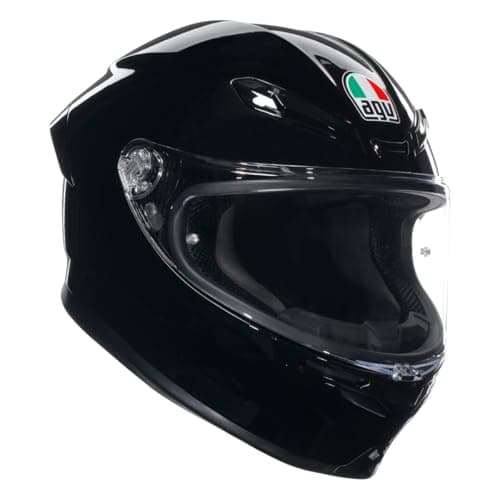
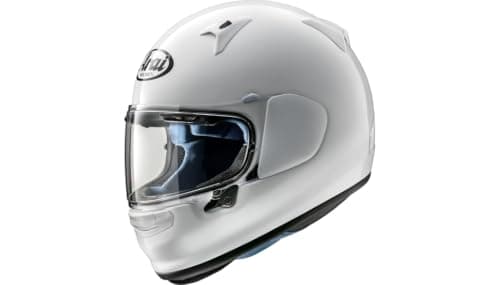
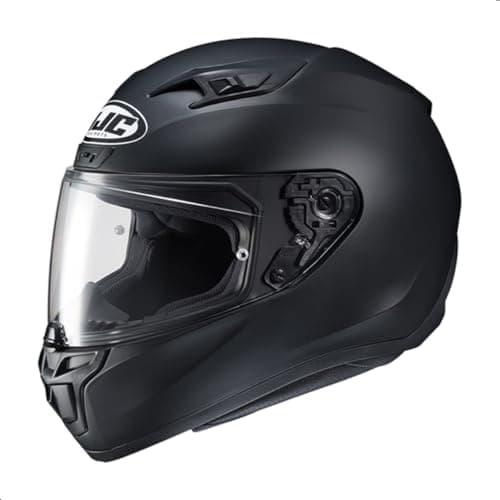
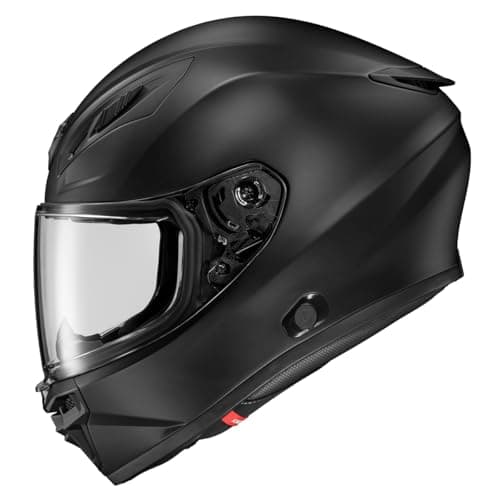
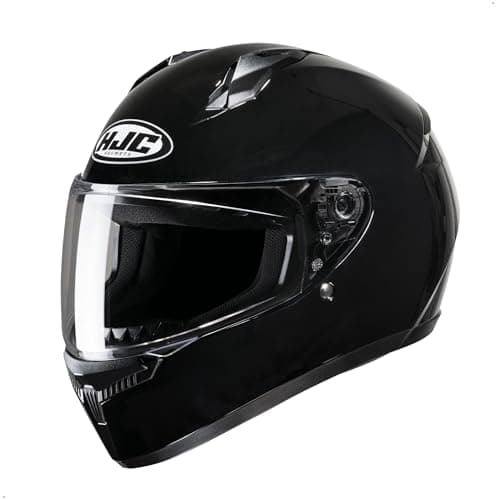
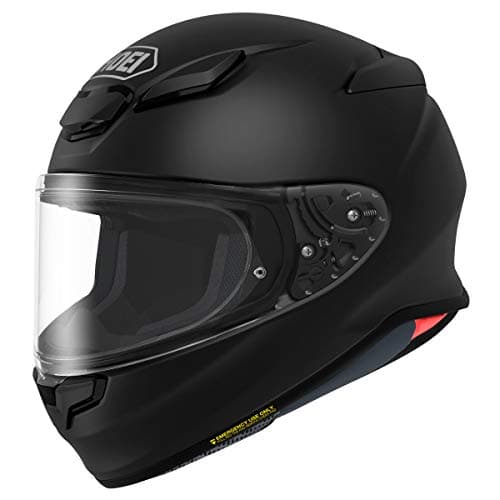
A full-face helmet is the one every serious rider should start from: a fixed chin bar protects your jaw and face — the region that takes a large share of impacts in real crashes — and the sealed shell makes it the quietest, most weatherproof lid you can buy. We didn't crash-test any of these. We compiled the certifications each one carries, the shell material and weight from the manufacturers, and the fit reputation from riders and reputable published reviews, then ranked on that. Every pick is DOT-certified at a minimum, and most add ECE 22.06 or Snell M2020 on top.
Our top pick is the Shoei RF-1400: DOT and Snell M2020, a hand-laid fiberglass composite shell in five sizes, and a quiet, beautifully finished cabin that suits an intermediate-oval head. Want the lightest premium shell? The ECE 22.06 AGV K6 S is remarkable on your neck over a long day. Want a fit a dealer can micro-tune to your head? The Arai Regent-X is built for it. And if the budget is tight, the DOT-and-Snell HJC i10protects to genuinely rigorous standards for roughly a fifth of a flagship's price.
Before you pick by price, read our certification explainer so the stickers mean something, and the measuring guideso you buy the right size. A certified full-face that fits your head correctly out-protects a pricier one that doesn't. If a flip-up chin bar would suit your riding better, compare these against the best modular helmets.
How we ranked these full-faces
Certification first, then fit, then weight and noise, then features — in that order. Every lid here clears DOT; the ones that add ECE 22.06 (AGV K6, Scorpion R430, HJC C10) meet the current, more demanding European bar including rotational testing, and the ones that add Snell M2020(Shoei RF-1400, Arai Regent-X, HJC i10) satisfy the voluntary standard many track-day organizations require. More stickers is not automatically "safer" in a given crash, but it does mean more independent scrutiny — and none of these skimps on the certification floor.
Narrowed it to two shells and want them compared directly? Our AGV K6 vs Shoei RF-1400 and Bell vs Shoei head-to-heads do exactly that, and our carbon fiber ranking covers the lightest shells in the same certification terms.
Shopping specifically for hot weather? Our ventilated helmets ranking takes a narrower cut of this same field and ranks it on published airflow detail rather than on certification alone.
Choosing your full-face
Start with fit and shape, because it decides your protection more than any spec. Shoei and AGV run toward intermediate/long-oval; Arai and HJC suit rounder heads. Measure your head, learn your shape on our head-shape page, and buy the brand built for it. Then weight and noise: the composite shells (Shoei, AGV, Arai) are lighter and quieter than the polycarbonate budget lids, which your neck and ears notice on hour four of a ride.
Finally, features — a Pinlock-ready shield to stop fogging, good ventilation, and comms-ready speaker pockets are useful, but they are tiebreakers, never a reason to trade down on certification or fit. New to riding? Our beginner helmet roundup ranks the most forgiving of these for a first buy.
How we picked
Everyone in this category says they tested twenty helmets. We haven't tested any — and we say so. What we do instead: compile the published DOT, ECE 22.06 and Snell certifications, the manufacturer's fit, weight and shell specs, the CE armor levels, and reputable published reviews, then score each pick against a published rubric. The scores are judgments from documented research — not measurements we took, because we do not run a lab and we are not going to pretend we do. Every certification and spec claim traces to a source we name and link.