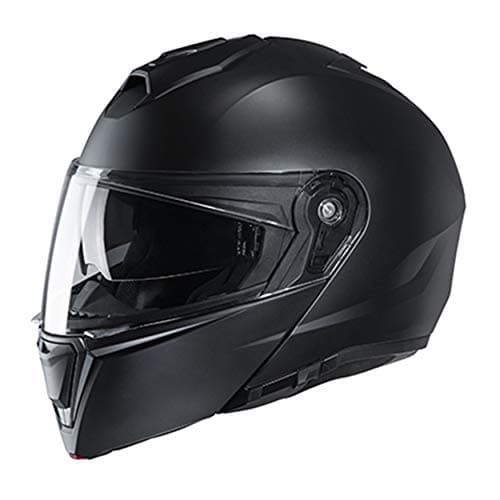
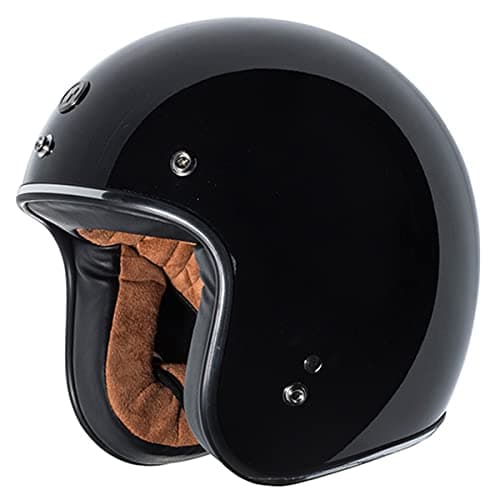
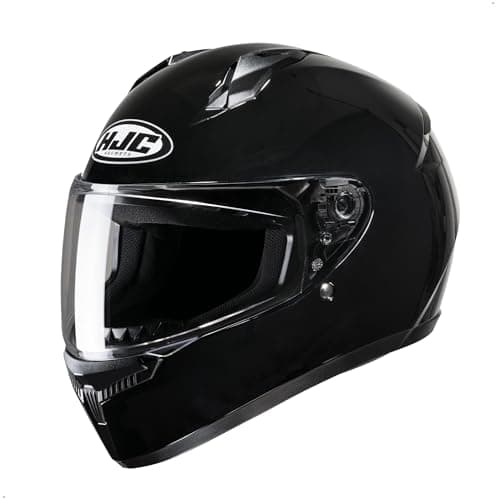
For most scooter riders the helmet to buy is the HJC C10: a full-face lid that publishes both DOT and ECE certification, is light for its price, and is Pinlock-ready for wet commutes. It is for the rider doing short urban trips who wants the chin bar without the bulk or the bill of a touring helmet. If taking the helmet on and off at every errand is the thing you will actually hate, the HJC i90modular — also DOT and ECE certified, with a drop-down sun visor — is the better daily companion, and the TORC T50 Route 66 is the honest DOT-certified open-face option if you have already decided a 3/4 lid is what you want.
The thing worth saying out loud, because the scooter market is full of helmets that ignore it: there is no such thing as a scooter-specific safety standard.A helmet is certified to DOT FMVSS 218, to ECE 22.06, to Snell M2020/M2025, or to nothing at all, and the test does not care what you ride. "Scooter helmet" is a styling and convenience category, not a protection category, and a lot of what gets sold under that label — novelty half lids, bicycle helmets with a visor glued on, unbranded shells with a fake sticker — has never been tested to any motorcycle standard. Our DOT vs ECE vs Snell explainer and certification sticker guide are the two pages to read before you spend anything.
The second thing: city speed is not slow. A 30-mph impact is a 30-mph impact whether the bike underneath you weighs 110 kg or 400, and the urban riding scooters do best — junctions, car doors, turning traffic, wet paint, tram lines, gravel in a corner — is exactly where head impacts happen. If anything the scooter case for a full face is stronger than the touring case, because urban riding puts more low-speed, high-frequency risk in front of you per mile.
What a scooter helmet actually needs
- A certification you can read on the shell. DOT FMVSS 218 is the US legal floor. ECE 22.06 is the newer European approval and tests rotational acceleration and more impact points. Two of the picks below publish both, which is the strongest answer available at this price. Anything whose only claim is "scooter helmet" or "novelty use only" is not protective equipment.
- Low weight, because urban riding is stop-start. Scooter trips are short, frequent and full of head-turning at junctions. A heavy shell that is fine on a motorway drones on your neck in traffic. HJC publishes the C10 as light for its price band; a modular is always heavier because of the chin-bar mechanism, and a 3/4 is lighter because it has no chin bar at all.
- Visor management for a trip with four stops in it. This is the real scooter-specific requirement. A drop-down internal sun visor (the i90) means you are not carrying a tinted shield for a ten-minute ride; a modular chin bar means you can talk at a pay window without taking the helmet off; a 3/4 means you simply do not have the problem, at the cost of your face.
- Fog control, because city riding is slow and wet. Fog is worst at low speed with the visor down, which is the scooter condition. Buy a helmet that is Pinlock-ready and fit the insert — our anti-fog inserts ranking covers what works and our fogging guide explains the mechanism.
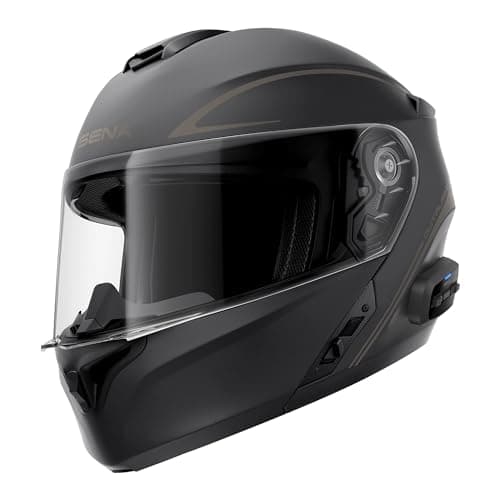
- Somewhere to put sound, if you want it. Urban navigation prompts are genuinely useful. Either buy speaker pockets and add a headset, or buy an integrated helmet like the Sena Outrush R and have one thing to charge. Our built-in vs add-on comparison lays out the trade.
We have not tested, dropped or lab-measured any of these helmets. Every certification, weight and feature claim below is the maker's own published specification or the approval the helmet carries, scored against our published rubric.
The four, on what they publish
| Helmet | Type | Published certification | Sun visor | Who it is for |
|---|
| HJC C10 | Full face | DOT and ECE | No — Pinlock-ready shield | The default: most protection per dollar |
| HJC i90 | Modular | DOT and ECE | Yes, drop-down | Errand riding with the chin bar up |
| Sena Outrush R | Modular, integrated comms | DOT | Yes, drop-down | Navigation and calls without a bolt-on |
| TORC T50 Route 66 | Open face (3/4) | DOT FMVSS 218 | No | If you have decided on a 3/4 lid |
Full face, modular or open face on a scooter?
Full face is the most protective shape available and the cheapest way to get a chin bar, which is the part of a helmet that covers the structure of your face. On a scooter its only real cost is convenience.
Modular buys back that convenience: the chin bar lifts for a conversation, a card reader or a hot wait at a light, and both modulars here add a drop-down sun visor. The trade is weight and one more mechanism; our modular safety page covers what the certifications do and do not say about a hinged chin bar, and modular vs full face takes the whole comparison apart.
Open face is the classic scooter look and it leaves your jaw, teeth and chin unprotected. We rank the T50 because it carries a real DOT certification at the bottom of the price range rather than pretending the category does not exist, and because an honest certified 3/4 is a far better purchase than a novelty lid. If that is the direction you are going, read our open-face rankingand add goggles or a visor — and understand what you are choosing.
What to avoid in the scooter aisle
- "Novelty" or "for non-motorized use" helmets. These are costume props. The phrase exists specifically so the seller is not claiming FMVSS 218 compliance.
- Bicycle helmets. Different standard, no chin bar, no face shield, tested for a different impact profile at a lower energy. Not a substitute at scooter speeds.
- A sticker without a maker. A DOT sticker is self-certified by the manufacturer, which means it is only as good as the manufacturer behind it. Buy a brand that puts its name on the shell and publishes specs — our sticker guide shows what a real label looks like.
- A second-hand lid with an unknown history. See should you buy a used helmet — the answer is almost always no.
Fit comes before everything on this page
A certified helmet that fits badly protects worse than a cheaper one that fits. Measure your head, work out your shape, and check the pressure map before you keep it: our measuring guide, head shapes guide and fit check are the sequence. A scooter rider putting a helmet on and off six times a day will notice a bad fit faster than anyone.
How we picked
Everyone in this category says they tested twenty helmets. We haven't tested any — and we say so. What we do instead: compile the published DOT, ECE 22.06 and Snell certifications, the manufacturer's fit, weight and shell specs, the CE armor levels, and reputable published reviews, then score each pick against a published rubric. The scores are judgments from documented research — not measurements we took, because we do not run a lab and we are not going to pretend we do. Every certification and spec claim traces to a source we name and link.