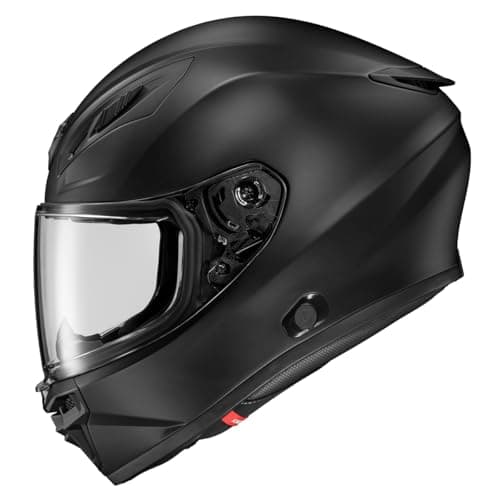
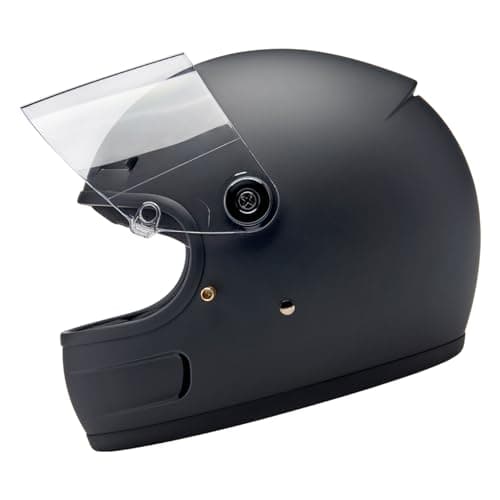
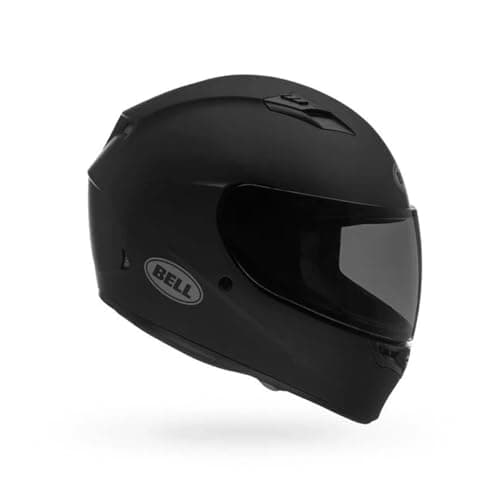
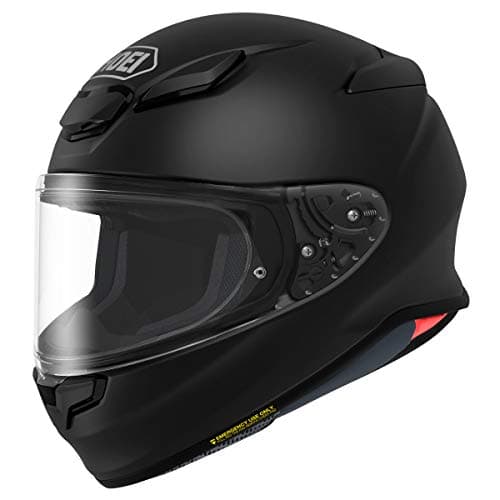
"Which brand makes the best helmet?" is the wrong question, and every page that answers it with a league table is selling you something. The brands that survive in this business all make certified helmets; what separates them is narrower and much more useful to know. It comes down to three things: which certification a brand chases, which head shape its shells are cut for, and where it has chosen to compete on price. Get those three right for your head and your budget and the badge stops mattering.
The certification split is the one almost nobody explains. A Japanese brand selling into the United States builds to Snell on top of DOT, because Snell is a voluntary American standard with real brand cachet here. A European brand builds to ECE 22.06, which is the tougher mandatory standard in its home market and tests things Snell does not, including oblique impacts and the visor. Neither is "safer" in a way that makes the other unsafe — they are different test programs with different priorities, and our DOT vs ECE vs Snell explainer sets out exactly what each one measures. But it means the certification sticker inside a lid is largely a map of where the company sells, and reading it that way tells you more than any brand ranking.
Head shape is the second axis, and it is the one that actually ruins purchases. Human heads are round, intermediate oval or long oval seen from above, and a brand designs its shells around one of those. Shoei and Arai lean intermediate-to-long oval; HJC and Bell are commonly a better fit for rounder heads. A premium helmet in the wrong shape is worse than a budget helmet in the right one — it is the single most expensive mistake in helmet buying, and our head shapes guide shows how to work out which one you have before you spend anything.
About the eight helmets below.They are one representative helmet per brand — the one we rank highest from that maker — shown so you can see what each brand's approach looks like in a real product, with a live price. They are listed in score order, and that order is not a brand ranking: a carbon modular and a budget road helmet are not competing for the same buyer, and scoring them against each other would be meaningless. We have not tested any of them. The scores are judgments from published certifications and specs, and the brand-by-brand comparison that follows the picks is where the actual answer lives.
The brands, one at a time
Shoei — Japan, Snell, the quiet benchmark
Shoei is the brand the rest get measured against for road riding, and it earns that on shell engineering rather than marketing. Its US helmets carry DOT and Snell M2020, the shells are hand-laid AIM+ fiberglass composite, and Shoei publishes five shell sizes for the RF-1400 (XS-SM, MD, LG, XL-2XL, 3XL). That shell count is the spec to notice: more shells means a size closer to your actual head rather than a one-shell helmet padded out, which is why Shoei helmets feel proportionate at the ends of the size range. Fit leans intermediate oval. Price is premium and the brand rarely discounts.
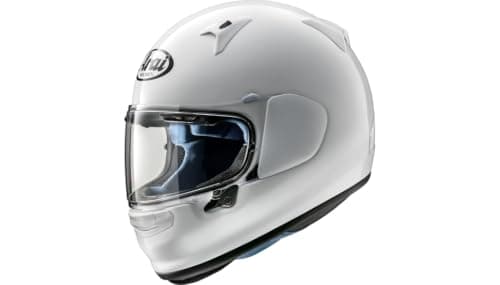
Arai — Japan, Snell, and a shell shape with a published rule
Arai is the most doctrinaire brand in motorcycling, and unusually it publishes the doctrine. Its R75 Shape Concept specifies a continuous curve radius of at least 75 mmacross the shell, which Arai says makes its shells "round, smooth and strong" and "better suited to deal with the unpredictable nature of impacts coming from any direction" — the idea being that a smooth round shell glances off rather than catching. Arai also states its philosophy directly: "shells should be stronger and EPS liners should be softer in order to maximize protection for the rider", built from Super Fiber it rates at 30 percent stronger than conventional fiberglass with a non-woven AR Mat layer between two preforms. Shells are hand-finished and Arai says the organic shapes "cannot be created by computers". DOT and Snell in the US, the longest-oval fit of the major brands, and the highest prices in this list.
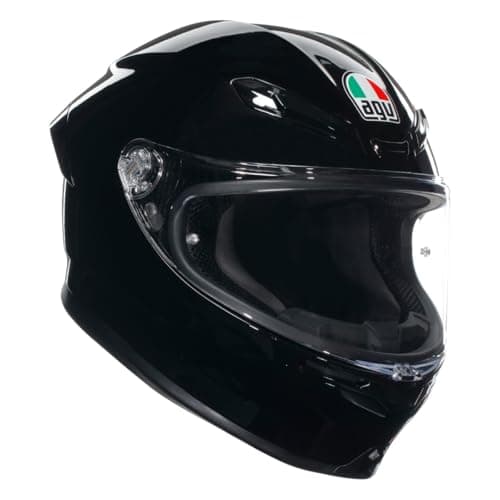
AGV — Italy, ECE 22.06, lightest-shell racing lineage
AGV is the European counterweight to the Japanese pair: Italian, Dainese-owned, grown out of road racing, and built to ECE 22.06rather than Snell. The K6 S is the clearest expression of the approach — a carbon-aramid shell in the 1,300 g class across four shell sizes, which is genuinely light for a full-face. If weight on your neck over a long day is what you optimize for, AGV is usually the answer, and ECE 22.06 means the helmet has been through oblique-impact and visor testing that Snell does not run. Fit is typically intermediate oval and narrower than HJC.
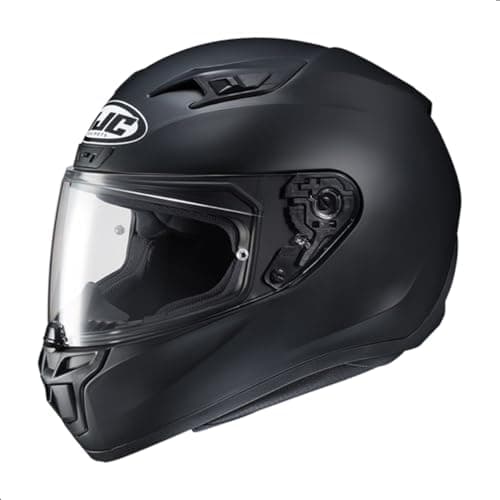
HJC — Korea, volume, and the best value in helmets
HJC makes more helmets than anyone and uses that scale exactly where you want it: the i10 carries DOT and Snell M2020 on a polycarbonate shell at a price the premium brands cannot approach, in a size run from XS to 3XL. A Korean brand chasing Snell is the interesting detail here — HJC competes directly for the American buyer rather than ceding the certification to the Japanese brands. Shells suit rounder heads more often than Shoei or Arai do. The honest trade is finishing and shell material rather than certification: this is a certified helmet whose cost shows in the vents, the liner fabric and the shell count, not in whether it passed.
Bell — USA, the broadest range, round-head friendly
Bell has been making helmets since the 1950s and its range is the widest here — budget road (Qualifier), retro (Custom 500, Bullitt), half helmets (Rogue), motocross and adventure (MX-9). The Qualifier is DOT on a polycarbonate shell and is one of the more reliably round-head-friendlyhelmets you can buy, which is why it keeps appearing in our rankings for riders whom Shoei and Arai pinch at the forehead. Note the certification though: much of Bell's budget range is DOT-only, so if Snell or ECE matters to you, check the specific model rather than the badge.
Scorpion (ScorpionEXO) — the mid-price feature pile
Scorpion competes by putting premium features in mid-price helmets. The EXO-R430 is DOT and ECE on a TCT composite shell with a drop-down internal sun visor— a feature the premium sport brands mostly refuse to fit because it means a cavity in the EPS. That is the Scorpion bargain in one line: more convenience per dollar, with the shell and certification tier a step below the Japanese flagships. Dual DOT and ECE is more than many brands at the price publish.
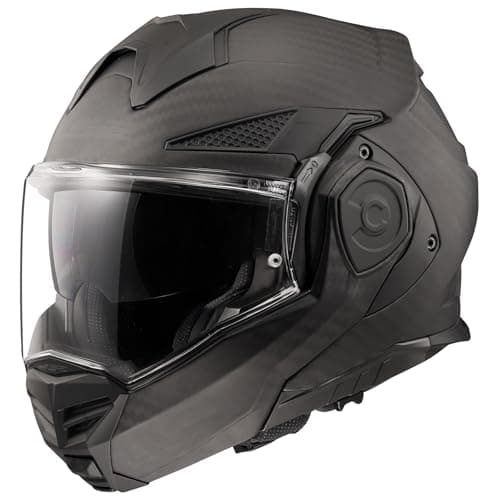
LS2 — Spain, aggressive spec-per-dollar
LS2 undercuts on specification rather than on features: the Advant X Carbon is a 9K carbon modular, DOT FMVSS 218 and ECE 22.06, and ECE P/J dual-homologated— meaning it is certified for use both closed and in the chin-up position, which is a genuine certification and not a manufacturer's suggestion. It publishes 1,470 ±50 g. A dual-homologated carbon modular at LS2 money is the kind of thing that makes the premium brands uncomfortable, and it is why LS2 keeps earning places in our rankings. See are modular helmets safe for what P/J actually certifies.
Biltwell — USA, retro that is actually certified
Biltwell matters for one reason: the retro and custom category is where uncertified novelty shells concentrate, and Biltwell builds genuinely certified helmets that look the part. The Gringo SV is DOT FMVSS 218 and ECE 22.06 on injection-molded ABS with three shells and five EPS densities, published at 3.69 lb. If you want the look, this is how to get it without buying a shell with no certification behind it — see best retro helmets for the rest of that field.
The brands side by side
| Brand | Home market | Certification it chases | Head-shape lean | Price tier |
|---|
| Shoei | Japan | DOT + Snell | Intermediate oval | Premium |
| Arai | Japan | DOT + Snell | Intermediate to long oval | Premium |
| AGV | Italy | ECE 22.06 | Intermediate oval, narrower | Premium |
| HJC | South Korea | DOT + Snell | Rounder | Value to mid |
| Bell | USA | DOT, varies by model | Rounder | Budget to mid |
| Scorpion | USA / global | DOT + ECE | Intermediate oval | Mid |
| LS2 | Spain | DOT + ECE 22.06 | Intermediate oval | Value to mid |
| Biltwell | USA | DOT + ECE 22.06 | Varies by shell | Budget to mid |
Head-shape leans are tendencies, not guarantees, and they move between models within a brand — treat the column as where to start looking, then try the specific helmet. Certification is per model, not per brand: a brand that mostly chases Snell will still sell DOT-only helmets at the bottom of its range, which is why the sticker inside the lid beats the logo outside it every time.
So how should you actually choose?
In this order. Shape first— work out whether your head is round, intermediate oval or long oval, because that eliminates entire brands and saves you from the expensive mistake. Certification second— decide whether you want Snell on top of DOT, or ECE 22.06's oblique and visor testing, and then buy a helmet that carries what you decided. Budget third, which is where the brand finally enters the conversation: at every price point there is a certified helmet from someone, and a certified helmet that fits your head beats a prestige badge that does not. Then compare the specific models, which is what the rest of this hub is for — start with best motorcycle helmets, and if you have narrowed it to two badges, we have the head-to-heads: Shoei vs Arai, Bell vs Shoei, Shoei vs HJC and AGV K6 vs Shoei RF-1400.
Whichever badge you land on, the helmet will outlast the purchase decision only if you keep it somewhere sensible — and every brand here warns in its own manual about the fuel and solvent vapor that damages a shell invisibly. Our gear storage guide covers what those manuals say and why the garage is the wrong room.