Touring is the discipline that finds every weakness in a jacket. You're in it for eight, ten, twelve hours at a stretch; the weather turns from a cold dawn to a hot afternoon to a soaking evening; and the armor has to be exactly where it belongs at the end of the day as at the start. A touring jacket has to keep you dry, dump heat when the temperature climbs, carry your bits and pieces, and stay comfortable long after a summer jacket would have you squirming. We didn't crash-test these — we compiled the published CE ratings, specs and reputable reviews, then ranked on waterproofing, ventilation range, CE armor and all-day comfort.
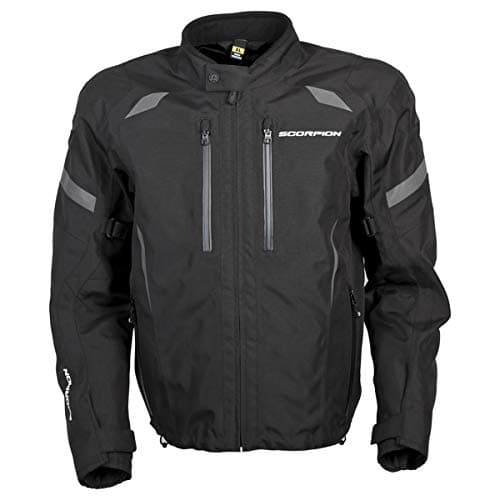
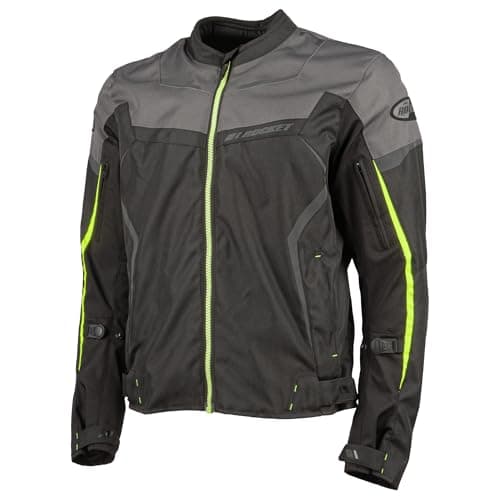
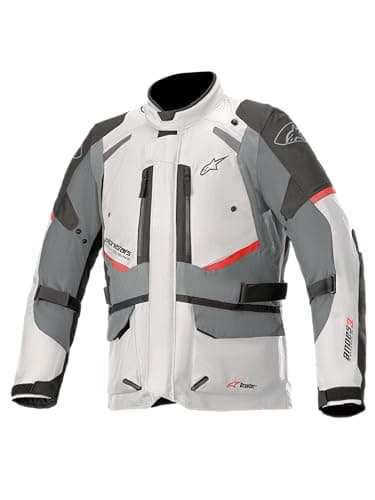
Our top pick is the Alpinestars Andes V3 Drystar. Its waterproof Drystar membrane shrugs off a real downpour, the removable thermal liner pushes it deep into cold weather, and the vents open up when the sun comes out — one shell that genuinely covers three seasons, with CE armor and a back-protector compartment. The Scorpion Optima is the balanced middle option: a well-vented three-season textile with a zip-out liner that adapts across the year, though its liner-based waterproofing is less sealed than the Andes' membrane. The Joe Rocket Blasteris the value tourer — CE armor, a removable liner and reflective panels at a commuter price — as long as you accept it isn't a guaranteed-waterproof shell and pack a rain layer.
Whatever you choose, the touring essentials don't change: real CE armor at the shoulders and elbows, and a back pocket you fill with a proper protector rather than the foam most jackets ship with. Read our CE armor levels guide so the labels mean something, budget for a CE Level 2 back protector, and if you ride into genuine cold, see our cold-weather gear guide.
How we ranked touring jackets
A jacket is one quarter of a distance kit, and the other three pieces change the trip as much: our long-distance gear guide covers pants, boots and comms alongside the jacket, and what to pack rather than wear.
Weather range first, because a touring jacket has to handle whatever the road gives you: waterproofing that actually seals, plus enough ventilation to survive a hot afternoon. Then CE armor and back-protector readiness, then comfort over hours — cut, adjustment, and how the weight sits after a full day in the saddle — and finally the features that earn their keep on a long trip: pockets, liners and connection zippers. A membrane jacket like the Andes seals best; a vented textile with a liner is more adaptable and easier on the budget, and we weighted honest cons heavily: a jacket that seals beautifully but bakes you in traffic, or one that vents superbly but leaks, only earns the top spot if it does both jobs well enough to trust on a real trip. The right pick depends on how wet and cold your longest days actually get.
What to look for in a touring jacket
Waterproofing you can trust.There are two ways a jacket keeps rain out, and they aren't equal. A laminated or membranejacket — like the Andes V3's Drystar — has the waterproof layer bonded into the shell, so the outer face doesn't soak through and it keeps working at speed. A drop-in waterproof liner is cheaper and does work, but the outer shell wets out, gets heavy, and the liner is fiddlier to rely on in a long, hard rain. For serious touring in changeable weather a membrane is worth the money; for mostly-dry touring with the odd shower, a liner plus a packable rain shell is a sensible saving.
Ventilation range. The same jacket that keeps you dry at 45 degrees has to keep you sane at 95. Look for direct-flow vents — zippered intakes on the chest and arms with matching exhausts on the back — not just mesh-lined pockets that never really pass air. The best touring jackets open right up in the heat and seal against cold and rain, which is the whole reason a three-season jacket beats owning a separate coat for every season. If your riding is genuinely hot most of the year, a dedicated summer jacket will still out-flow any touring shell.
Armor, pockets and all-day fit. Confirm CE-rated shoulder and elbow armor and a back-protector pocket you can upgrade — touring is exactly the riding where a CE Level 2 back protectorearns its place. Then think about the hours: a touring cut runs a little roomier to fit a thermal layer and to stay comfortable leaned back on the bars all day, with waist and cuff adjusters so nothing flaps and enough pockets for a phone, wallet and documents you can reach without stopping. A jacket that fits at hour one but digs in at hour six isn't a touring jacket. Still deciding on material and cut? Our how to choose a jacket guide walks the whole decision.
How we picked
Everyone in this category says they tested twenty helmets. We haven't tested any — and we say so. What we do instead: compile the published DOT, ECE 22.06 and Snell certifications, the manufacturer's fit, weight and shell specs, the CE armor levels, and reputable published reviews, then score each pick against a published rubric. The scores are judgments from documented research — not measurements we took, because we do not run a lab and we are not going to pretend we do. Every certification and spec claim traces to a source we name and link.