Abrasion + armor
Motorcycle Jackets
Abrasion resistance plus impact armor. What the CE labels mean, and which jacket earns its price.
We earn a commission when you buy through our Amazon links, at no extra cost to you. It never affects our rankings, and we say so when the cheaper gear is the better buy. How this works.
A motorcycle jacket does two separate jobs, and the good ones do both: resist abrasion when you slide, and absorb impact when you hit. Those are different materials solving different problems, and the labels that describe them — garment CE class and armor CE level — are the specs to read before anything else.
The two big families are leather and textile. Leather has the best abrasion resistance per dollar and ages beautifully, but it is hot, heavy and poor in the rain. Textile (Cordura and similar) is lighter, cooler, waterproofable, and usually cheaper for the same protection tier — which is why most touring and commuting jackets are textile. Inside either, look for the armor: CE Level 1 is the baseline, CE Level 2 absorbs more energy. Shoulders and elbows should be armored out of the box; a back protector is often a slot you fill separately (and should).
Price tracks the armor coverage, the shell rating (EN 17092 Class AAA, AA or A), and the weatherproofing system. A $150 jacket gets you Level 1 shoulder/elbow armor and a decent shell; $300–$500 buys Level 2 armor, a back protector, a waterproof membrane and real ventilation. Summer mesh jackets trade abrasion coverage for airflow — a reasonable warm- weather compromise as long as the armor stays.
Adventure jackets are the textile category that has to do everything at once: a Class AA shell for the highway, armor at the chest and back for a tip-over on rock, and enough venting to stand on the pegs in August. The two decisions that matter are whether the waterproofing is a laminate or a removable liner, and what armor actually ships in the box. Our adventure jackets ranking sorts five of them on exactly those published facts.
None of those labels describe you until the jacket fits. Both the garment class and the armor level are awarded to a jacket worn in the size the maker says it is, and a jacket loose enough that you can push the shoulder pad off the joint is not delivering what its tag claims. Our jacket fit guide walks the armor-position and displacement checks the test labs run, in the order they run them.
The mistake buyers make is treating a jacket as a fashion layer and skipping the back protector slot, or buying a mesh jacket for its looks and riding it in January. Match the jacket to your climate and your riding, insist on Level 2 armor if the budget allows, and read our CE armor levels guide so the labels mean something when you shop.
Everything in this hub
Jackets guides & picks
Roundup
The Best Motorcycle Jackets
Mesh, textile and leather jackets ranked on armor, weather range and value.
6 picks · 6 with live prices
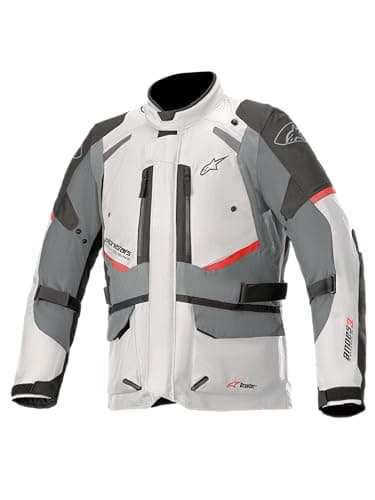
Top pick: Alpinestars Andes V3 Drystar
$239.91AmazonRoundup
The Best Armored Motorcycle Jackets
Jackets ranked on CE armor coverage and back-protector readiness first.
5 picks · 5 with live prices
Top pick: Alpinestars Andes V3 Drystar
$239.91Amazon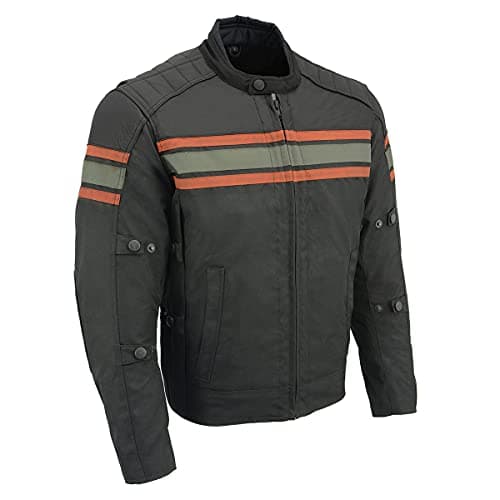
Head to head
Leather vs Textile Motorcycle Jackets
The leather-vs-textile debate settled on abrasion, weather, weight and price.
2 picks · 2 with live prices
Top pick: Milwaukee Leather Armored Jacket
$159.99Amazon- Buyer's guide
Buyer's guide
CE Armor Levels Explained
EN 1621 armor levels and EN 17092 garment classes, in plain English.
Roundup
The Best Summer Motorcycle Jackets
Mesh and ventilated jackets with CE armor, ranked on airflow, protection and value — so you keep the gear on in the heat.
3 picks · 3 with live prices
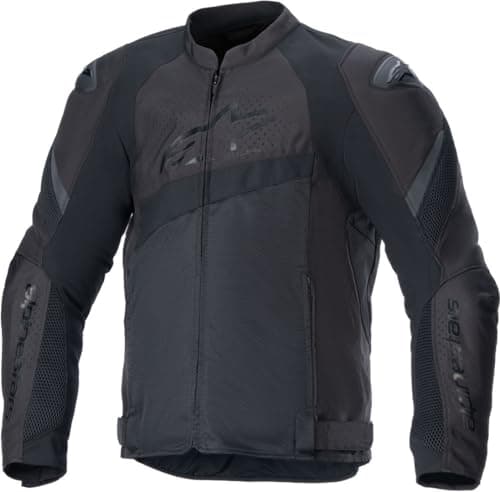
Top pick: Alpinestars T-GP Plus V4 Airflow
$319.95Amazon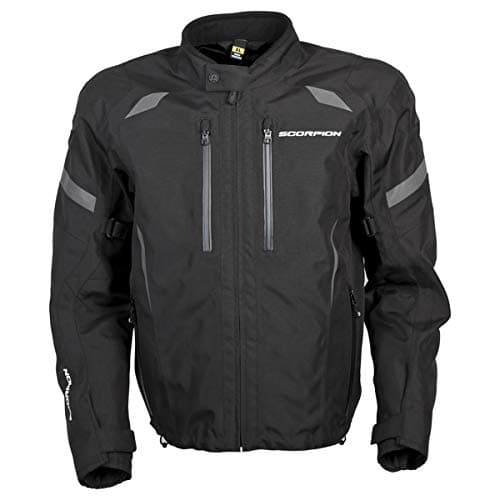
Roundup
The Best Budget Motorcycle Jackets
Real armored jackets from about $70 to $180, ranked on protection and build per dollar.
4 picks · 4 with live prices
Top pick: Scorpion Optima Textile Jacket
$179.95Amazon- Buyer's guide
Buyer's guide
How to Choose a Motorcycle Jacket
The jacket-buying decision in order: material, CE armor, fit, ventilation and season.
Roundup
The Best Touring Motorcycle Jackets
All-weather touring jackets ranked on waterproofing, ventilation range, CE armor and all-day comfort.
3 picks · 3 with live prices
Top pick: Alpinestars Andes V3 Drystar
$239.91AmazonHead to head
Mesh vs Textile Motorcycle Jackets
Airflow versus weather protection — and the one-jacket-or-two question — settled with a mesh and a textile pick.
2 picks · 2 with live prices
Top pick: Alpinestars T-GP Plus V4 Airflow
$319.95Amazon- Buyer's guide
Buyer's guide
How to Wash a Motorcycle Jacket
Safely cleaning textile, mesh and leather jackets — armor out first, membrane reproofed, leather conditioned.
Roundup
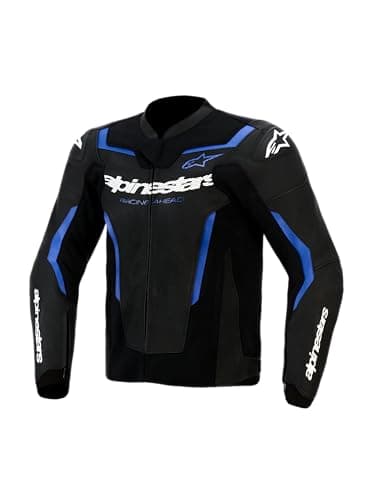
The Best Leather Motorcycle Jackets
Leather jackets ranked on EN 17092 class, CE armor level, hide thickness and ventilation.
4 picks · 4 with live prices
Top pick: Alpinestars GP Force V2 Airflow
$529.95Amazon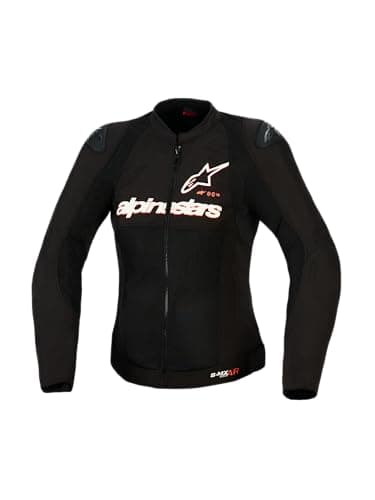
Roundup
The Best Women's Motorcycle Jackets
Women's jackets ranked on published EN 17092 garment class, CE armor level, fit and airbag compatibility.
4 picks · 4 with live prices
Top pick: Alpinestars Stella SMX Air
$299.95Amazon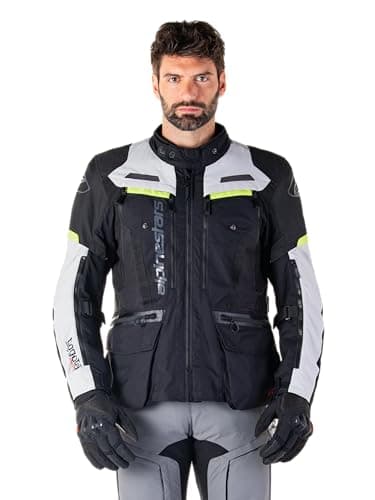
Roundup
The Best Waterproof Motorcycle Jackets
Waterproof jackets ranked on membrane construction, published EN 17092 class and CE armor level.
4 picks · 4 with live prices
Top pick: Alpinestars Bogota Pro Drystar
$485.00Amazon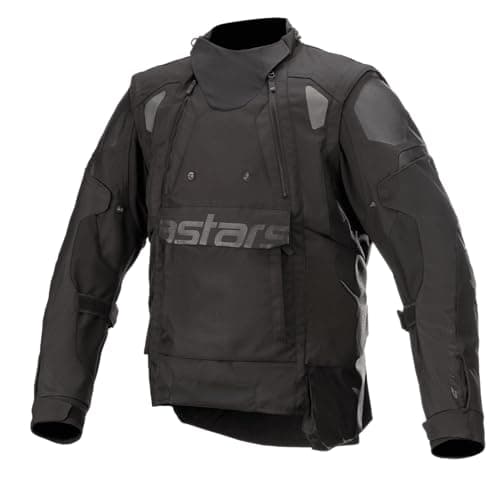
Roundup
The Best Textile Motorcycle Jackets
Textile jackets ranked on published EN 17092 garment class, shell denier and the armor that actually ships in the box.
4 picks · 4 with live prices
Top pick: Alpinestars Halo Drystar
$570.00Amazon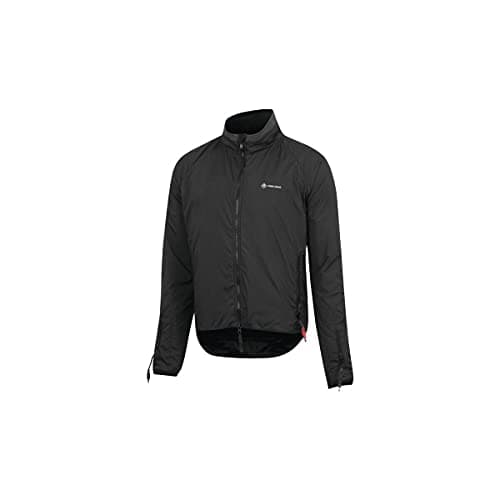
Roundup
The Best Heated Motorcycle Jacket Liners
Hardwired 12V liners and rechargeable jackets ranked on power source, coverage and fit under armor.
5 picks · 5 with live prices
Top pick: Firstgear Gen4 Heated Jacket Liner
$179.96Amazon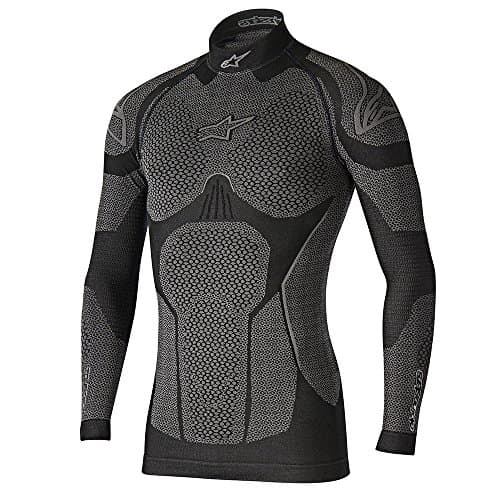
Roundup
The Best Motorcycle Base Layers
Merino, synthetic and moto-cut tops plus the bottoms and socks riders skip, ranked on fit under armor.
5 picks · 5 with live prices
Top pick: Alpinestars Winter Ride Tech Top
$139.00Amazon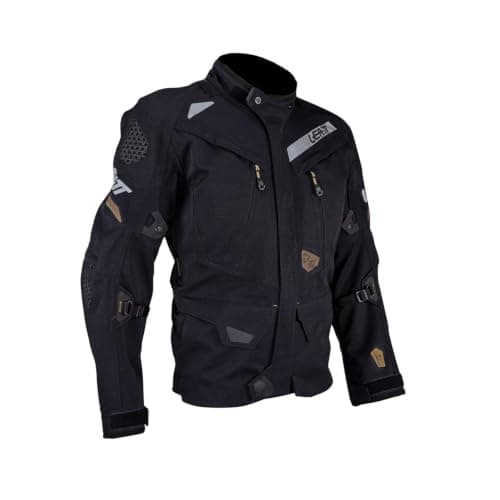
Roundup
The Best Adventure Motorcycle Jackets
Adventure jackets ranked on published EN 17092 class, included armor, laminate vs liner construction and heat management.
5 picks · 5 with live prices
Top pick: Leatt ADV DriTour 7.5
$461.30Amazon- Buyer's guide
Buyer's guide
How a Motorcycle Jacket Should Fit
The armor-position and displacement checks that decide whether a jacket's armor is actually over your joints — run them before you keep it.
Buyer's guide
EN 17092 Explained
The EN 17092 garment classes decoded: AAA to C, the numbered parts of the standard, and why a jacket with great armor can still publish no class at all.
4 picks · 4 with live prices
Top pick: Alpinestars Bogota Pro Drystar
$485.00Amazon- Buyer's guide
Buyer's guide
Motorcycle Jacket Size Chart
How to measure for a motorcycle jacket and read a maker's size chart - with a real published chart, and why leather and textile size differently.
Buyer's guide
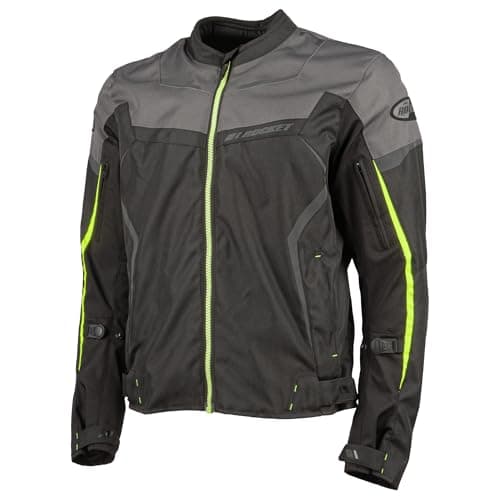
High-Visibility Motorcycle Gear
How hi-viz actually works - fluorescent by day, retroreflective by night - and which published reflective features are worth buying.
4 picks · 4 with live prices
Top pick: Joe Rocket Blaster
$179.99Amazon