Spine + chest
Body Armor
The protection your jacket left out. Back protectors, chest protectors and airbag vests — CE levels, decoded.
We earn a commission when you buy through our Amazon links, at no extra cost to you. It never affects our rankings, and we say so when the cheaper gear is the better buy. How this works.
Most jackets ship with shoulder and elbow armor and a foam pad where a real back protector should be. Body armor is how you close that gap — the spine, the chest, and increasingly the whole torso via an airbag. It is the least glamorous gear you can buy and among the most important.
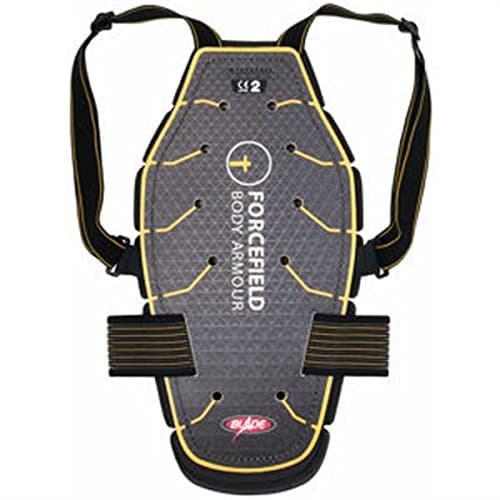
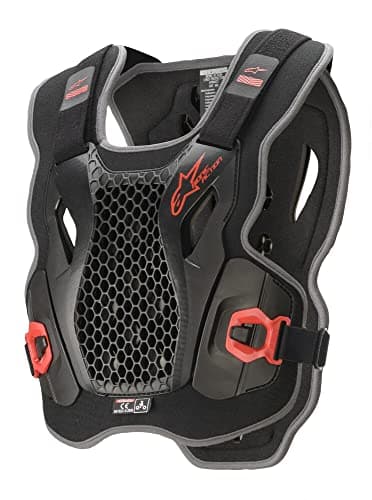
A back protector is the first upgrade: certified to EN 1621-2 at Level 1 or Level 2 (Level 2 transmits less force), it protects the spine in a way a foam insert does not. A chest protector (EN 1621-3) guards the sternum and ribs, the area a lot of serious injuries actually land. Armored base layers integrate CE armor into a shirt or shorts you wear under normal clothing — the practical way to add coverage on a hot day.
The big step up is an airbag vest. Tethered versions fire from a cable clipped to the bike; electronic versions use sensors and an algorithm to detect a crash and inflate in milliseconds, protecting the neck, chest and spine at once. They are the single biggest protection jump available to a street rider, and prices have fallen far enough to take seriously. The two mechanisms are a real decision rather than a detail — a cable you have to remember against a sensor pack you have to charge, at very different prices and, as it turns out, different published CE levels. Read tethered vs electronic airbag vests before you commit, or go straight to the airbag vest ranking.
Below the waist, the armor conversation becomes a garment conversation. Armored riding jeans carry CE knee and hip protectors inside denim that is itself rated under EN 17092 — the same class ladder that rates a jacket shell — and they are the only protective legwear most street riders will genuinely wear on a short ride. Our armored jeans ranking sorts them by the class each maker actually publishes.
The mistake is assuming the pad in your jacket is a back protector — it usually is not. Check the CE label, upgrade to at least Level 1, and if you ride a lot of miles, price an airbag. Our back-protector guide walks the decision.
Everything in this hub
Armor guides & picks
Roundup
The Best Motorcycle Back Protectors
Standalone and slot-in back protectors ranked on CE level, coverage and comfort.
3 picks · 2 with live prices
Top pick: Forcefield Blade Level 2
$129.99Amazon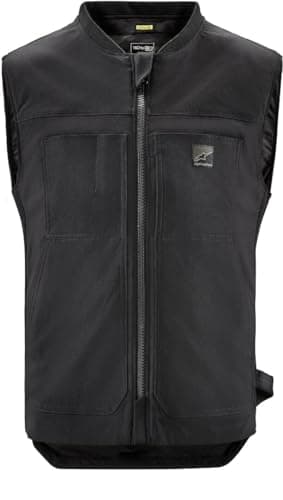
Roundup
The Best Motorcycle Airbag Vests
Airbag vests ranked on published EN 1621-4 level, coverage and cost of ownership.
2 picks · 2 with live prices
Top pick: Alpinestars Tech-Air 3 V2 Canvas
$699.95Amazon- Buyer's guide
Buyer's guide
Do You Need a Back Protector?
Why the foam pad in your jacket isn't enough, and how to choose a real protector.
Roundup
The Best Motorcycle Body Armor
Back protectors, chest guards and airbag vests ranked on CE level, coverage and value — real torso protection.
4 picks · 3 with live prices
Top pick: Forcefield Blade Level 2
$129.99Amazon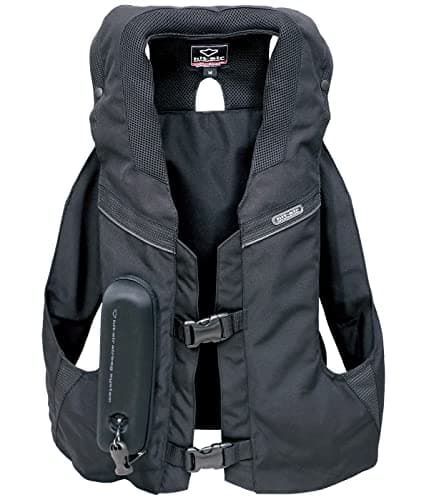
Head to head
Airbag Vest vs Back Protector
What each protects, how they differ in cost and coverage, and which torso protection to buy first.
2 picks · 2 with live prices
Top pick: Hit-Air MLV2 Airbag Vest
$659.00Amazon- Buyer's guide
Buyer's guide
What Is D3O Armor?
How rate-sensitive soft armor stays flexible then stiffens on impact, and how to read its CE level.
Roundup
The Best Motorcycle Chest Protectors
Chest protectors ranked on CE standard held - EN 1621-3 impact vs EN 14021 roost - coverage and fit.
4 picks · 2 with live prices
Top pick: Alpinestars Bionic Action
$107.95Amazon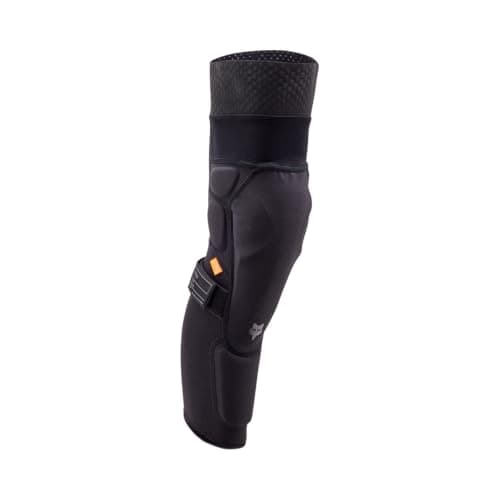
Roundup
The Best Motorcycle Knee Armor
Knee guards and pant inserts ranked on published CE EN 1621-1 level, coverage, fit stability and comfort.
4 picks · 4 with live prices
Top pick: Fox Racing Launch Knee/Shin
$119.95Amazon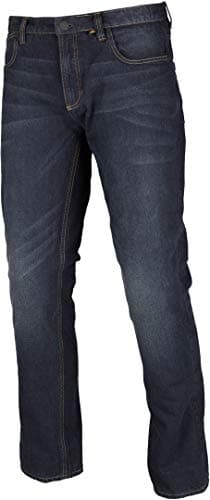
Roundup
The Best Armored Motorcycle Jeans
Armored riding jeans ranked on published EN 17092 garment class, the CE armor included in the box and abrasion construction.
5 picks · 5 with live prices
Top pick: KLIM K Fifty 2
$299.99AmazonHead to head
Tethered vs Electronic Airbag Vests
Cable or sensors? The two airbag mechanisms compared on published CE level, coverage and running cost.
3 picks · 3 with live prices
Top pick: Alpinestars Tech-Air 3 V2 Canvas
$699.95AmazonBuyer's guide
What Size Back Protector Do I Need?
How to size a back protector: what to measure, full-back vs central-back coverage, jacket-pocket inserts, and the fit checks to run before you keep it.
3 picks · 2 with live prices
Top pick: Forcefield Blade Level 2
$129.99Amazon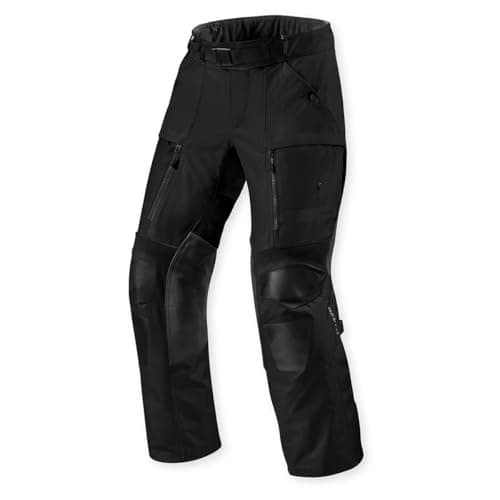
Roundup
The Best Motorcycle Riding Pants
Textile riding pants ranked on published EN 17092 class, the CE armor included at knee and hip, membrane construction and ventilation.
4 picks · 4 with live prices
Top pick: REV'IT! Sand 5 H2O Pants
$429.99Amazon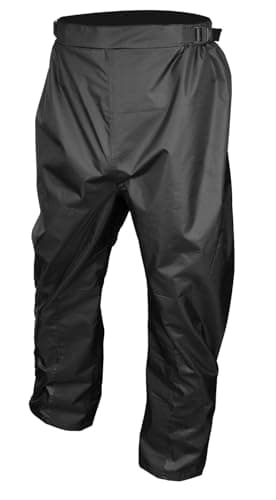
Roundup
The Best Motorcycle Rain Pants
Waterproof rain overpants ranked on seam construction, getting them on over boots, reflective detail and packed size.
4 picks · 4 with live prices
Top pick: Nelson-Rigg Solo Storm Pants
$52.81AmazonHead to head
CE Level 1 vs Level 2 Back Protector
What EN 1621-2 Level 1 and Level 2 actually mean, how much difference the level makes, and which of our picks publishes which.
3 picks · 2 with live prices
Top pick: Forcefield Blade Level 2
$129.99AmazonBuyer's guide
Armored Motorcycle Shirts and Hoodies
What an armored shirt, hoodie or base layer actually protects - and why the inserts, not the garment, are the part to check.
4 picks · 4 with live prices
Top pick: Forcefield Blade Level 2
$129.99Amazon