Mesh is the reason group rides stopped collapsing into re-pairing chaos. Where a Bluetooth intercom chains riders together and breaks when one drops out, a meshnetwork puts everyone on a self-healing web that reroutes itself as riders drift apart, drop out and rejoin — no re-pairing, no fuss. If you ride in groups of three or more, that resilience is transformative. We didn't bench-test these; we compiled the published specs and reputable reviews, then ranked on networking, range, sound and value. Below, each pick is honest about its trade-offs — even a flagship isn't right for a solo rider.
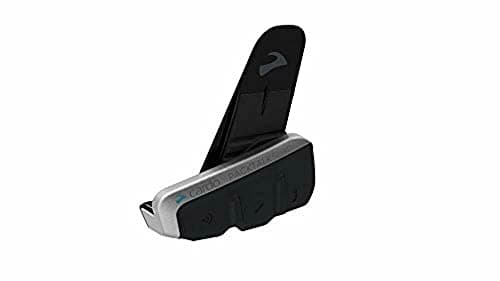
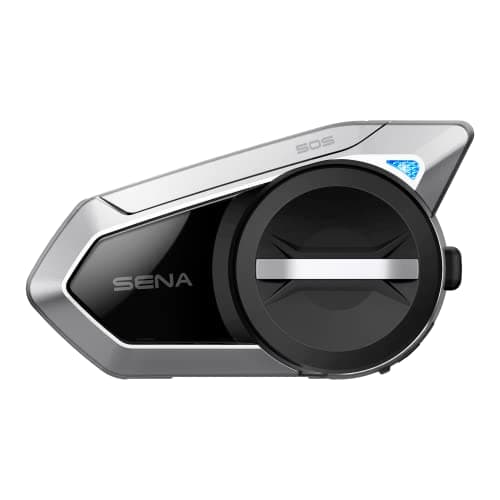
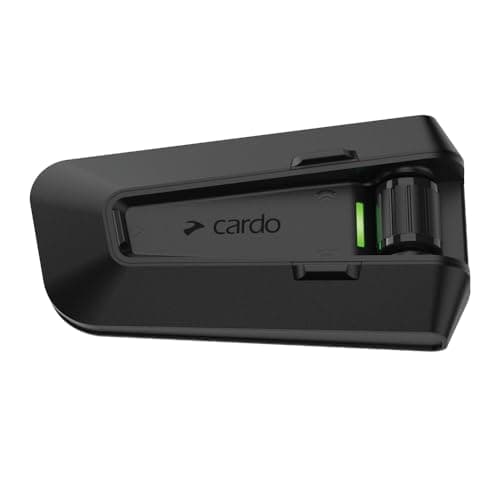
Our top pick is the Cardo Packtalk Pro: Cardo's DMC mesh is the benchmark for holding a big group together, the JBL-tuned speakers are the best sound in the category, and natural-voice control means you barely touch it. The Cardo Packtalk Slim gives you the same mesh and JBL sound in a low-profile body that sits almost flush with the helmet — the pick if you hate a bulky pod on your lid. The Sena 50Sis the Sena rival: Mesh 2.0 plus Bluetooth, Harman Kardon sound, and the jog dial that's easiest to work in thick gloves — bearing in mind Sena has since moved its flagship slot to the 60S. All three share the essentials — rider-to-rider talk, phone, music and spoken navigation — so the choice between them is really about form factor, control style and which brand your friends ride.
One rule decides more than any score here: mesh doesn't cross brands. A Cardo mesh and a Sena mesh can't merge — they fall back to plain Bluetooth to talk across brands, losing the mesh benefits on that link. So if your regular group already runs one brand, match it. New to the technology? Our Bluetooth vs mesh guide explains why mesh handles groups so much better, and Cardo vs Sena compares the two ecosystems.
Range, group size and sound
Mesh's headline range numbers always assume open line-of-sight, so treat them as a best case — hills, traffic and buildings between riders cut them down. What mesh does that Bluetooth can't is relay through other riders: as long as your group is strung within reach of each other, the effective range stretches well beyond any single unit's figure, and riders who drift out simply rejoin when they're back in range. Group size is mesh's other advantage: where a Bluetooth chain gets fragile past two or three riders, a mesh comfortably carries a full club ride, and nobody has to re-pair when the pack splits at a junction and regroups down the road. That's why mesh suits bigger, changing groups. On sound, all three picks use premium speakers — Cardo's JBL on the two Packtalks, Harman Kardon on the 50S — so music and voice are a clear step up from budget units, and the differences between them are small enough that form factor and controls should decide it.
How we ranked mesh intercoms
Networking first — how seamlessly the mesh holds a changing group together and self-heals — then range and group size, then sound, then waterproofing, battery and value. We weighted real-world reliability from reputable owner reports over headline spec numbers, because a mesh that drops is worse than one that claims less on paper. Value came last, not because price doesn't matter, but because every unit here is a considered, long-term buy rather than an impulse one. Every pick is a genuine mesh system from a major brand, so the differences come down to sound, form factor and control preference more than raw capability.
The two mesh flagships are close enough that it is worth seeing them compared directly rather than ranked against the field — our Cardo Packtalk Pro vs Sena 50S head-to-head does that, and mesh is also the capability that disappears the moment a group goes mixed-brand, as our Cardo and Sena pairing guide explains.
Is mesh worth it for you?
Mesh earns its premium in groups.If you regularly ride with three or more people — especially a group that changes size, spreads out or tours long distances — a self-healing network is worth every penny the first time a ride doesn't dissolve into re-pairing. The extra cost buys resilience, not magic: the intercom, music and navigation basics are the same as a budget unit; what you're paying for is a network that doesn't fall apart when the group does. If you ride solo, two-up or with one steady partner, you don't need mesh at all, and our best budget intercoms covers the value picks.
Match your group, then pick your form factor.Once you've settled on a brand to share the mesh, choose between the flagship's features, the Slim's low-profile body, or Sena's jog dial if you prefer a physical control. Whichever you choose, fit it right — speakers centered over your ear canals make or break the sound. Our install guide walks it through, or a Bluetooth helmet builds comms in from the factory.