Skip to content
LID & LEATHER

The lid · Helmets

The Best Anti-Fog Visor Inserts

A fogged visor at a junction is a genuine hazard, not an annoyance. Ranked by how each product actually works — a physical air gap, a redirected breath, or a coating that wears off — because that is what decides whether it survives a cold morning.

By Stephen V.Updated How we research
#ad

We earn a commission when you buy through our Amazon links, at no extra cost to you. It never affects our rankings, and we say so when the cheaper gear is the better buy. How this works.

Every rider has had the moment: you stop at a light on a cold morning, and within four seconds the inside of your visor goes white. You crack it open, you get a face full of cold air and rain, you close it, it fogs again. It is the single most common winter riding problem, and it is a safety problem rather than a comfort one — you cannot see, at exactly the moment traffic is closest to you.

The mechanism is simple and worth understanding, because it tells you which products actually work. Fog is condensation: warm, humid air from your own breath meets the cold inner surface of your visor and the water in it turns liquid on the glass. Two things drive it — the temperature difference across the shield, and the amount of moist air reaching it. Every product on this page attacks one or the other, and the ones that attack the temperature difference win.

That is why the Pinlock 70 Max Vision insert is our top pick. It is not a coating; it is a second lens sealed against the inside of your shield, which creates an insulating air gap so the inner surface never gets cold enough to condense on. Pinlock also publishes a moisture-absorbing surface on the lens to handle what still gets through, and grades its lenses into anti-fog performance levels so you can match the lens to your climate.

Second is the Shoei breath guard, the only product here that reduces the moist air arriving in the first place. Third is a universal adhesive film for shields with no Pinlock pins. Fourth and fifth are the coatings — Cat Crap balm and anti-fog wipes — which are cheap, useful and temporary, and we rank them accordingly rather than pretending otherwise.

If you want the full method rather than just the products, our guide to stopping a helmet visor fogging covers the free fixes — venting, chin curtains, technique — that you should try before buying anything.

The short answer

Quick picks

#ProductBest forScorePrice
01
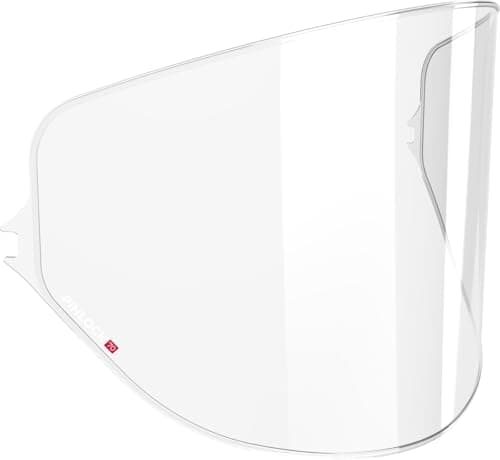
Pinlock Pinlock 70 Max Vision Insert
Pinlock 70 Max Vision Insert

The only anti-fog solution that reliably survives a cold morning in stop-start traffic. A second lens sealed to the inside of your shield creates an insulating air gap, and Pinlock's moisture-absorbing surface handles what still gets through.

The real fix
8.8
$36.41Amazon
02
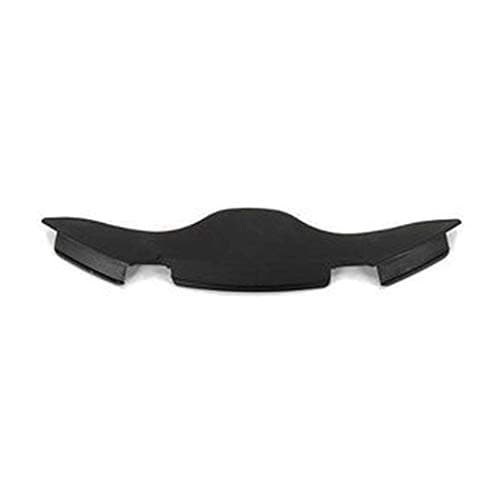
Shoei Shoei Breath Guard
Shoei Breath Guard

The only item here that attacks the cause rather than the symptom. A breath guard redirects warm, wet exhaled air down and out of the chin vent instead of up onto the back of your shield.

Stops fog at the source
8.7
$23.13Amazon
03
Generic Universal Anti-Fog Insert Film
Universal Anti-Fog Insert Film

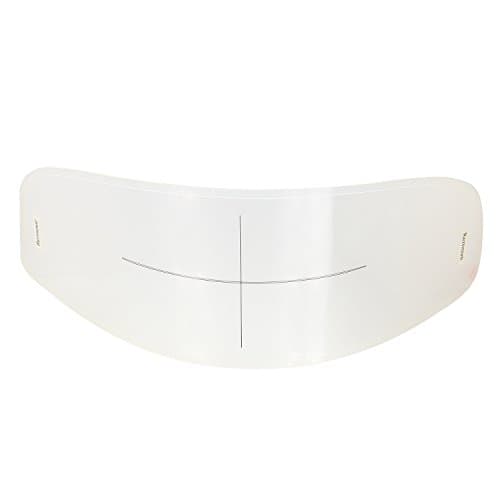
The answer for a visor with no Pinlock pins. An adhesive film insert that builds the same double-lens air gap on a smooth shield — less elegant than a pinned lens, and a great deal better than nothing.

Visors with no pins
7.8
$20.29Amazon
04
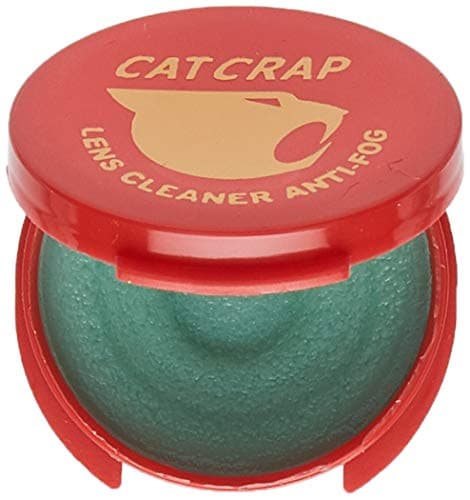
EK USA Cat Crap Anti-Fog Balm
Cat Crap Anti-Fog Balm

The cheapest thing on this page and the one most likely to already be in a rider's tank bag. A wax-style balm you buff onto the inside of the shield — genuinely useful, genuinely temporary.

Cheapest stopgap
7.8
$11.43Amazon
05
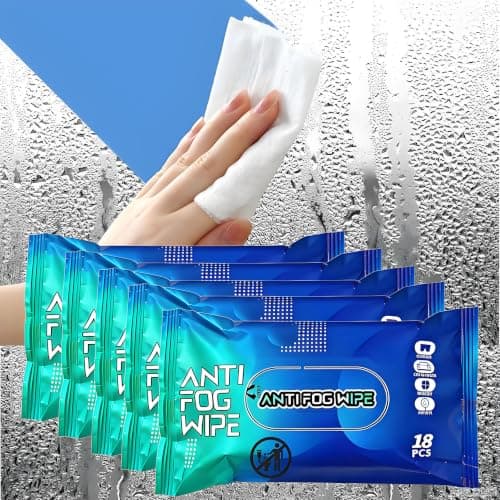
Generic Anti-Fog Wipes (90-pack)
Anti-Fog Wipes (90-pack)

Single-use anti-fog wipes, sold in bulk. The right answer for a glovebox, a rucksack and a passenger's spare visor — not the right answer for a daily winter commute.

Cheapest per use
7.3
$9.99Amazon

#ad · Live prices from the Amazon Product API, as of Sep 7, 2026. Where we have no verified live price we show none — we would rather leave a gap than print a number that has rotted.

In detail

The picks, in full

01
Pinlock Pinlock 70 Max Vision Insert

The real fix

Pinlock 70 Max Vision Insert

Sealed second lensMoisture-absorbing surfaceModel-specific fitmentRequires pinned visor
8.8/10

The only anti-fog solution that reliably survives a cold morning in stop-start traffic. A second lens sealed to the inside of your shield creates an insulating air gap, and Pinlock's moisture-absorbing surface handles what still gets through.

Fog resistance
9.8
Durability
8.6
Optical clarity
9
Ease of fitting
8.4
Value
8

Pros

  • A physical air gap, not a coating — it does not wear off, wash off or need reapplying
  • Max Vision profile covers more of the eye port than the older shorter lenses
  • Pinlock publishes graded anti-fog performance levels so you can match the lens to your climate

Cons

  • Strictly model-specific — this listing fits HJC HJ-34 visors, and the wrong lens simply will not seal
  • Your visor must have Pinlock pins; many budget helmets do not
  • The inner lens scratches more easily than the shield, so cleaning technique matters

Don't buy this if…

your helmet has no Pinlock pins on the shield — check first, because the insert cannot be retrofitted to a smooth visor.

$36.41View on Amazon

$39.508% off

Price as of Sep 7, 2026. Prices change — Amazon's is the one that counts.

#ad · we may earn a commission from this link to Pinlock 70 Max Vision Insert

02
Shoei Shoei Breath Guard

Stops fog at the source

Shoei Breath Guard

Redirects exhaled airFits inside chin barModel-specificWorks with any visor
8.7/10

The only item here that attacks the cause rather than the symptom. A breath guard redirects warm, wet exhaled air down and out of the chin vent instead of up onto the back of your shield.

Fog resistance
8
Durability
9.4
Optical clarity
9.6
Ease of fitting
8.8
Value
7.6

Pros

  • Deals with the actual mechanism — your breath is what fogs the shield, not the weather
  • Stacks with a Pinlock insert; the two together are the strongest combination available
  • No consumable, nothing to reapply, nothing to charge

Cons

  • Model-specific fitment — this part is listed for a specific Shoei shell, not universal
  • Some riders find a guard against the nose uncomfortable on long rides
  • Alone, it reduces fogging rather than eliminating it in the worst conditions

Don't buy this if…

you cannot confirm the part fits your exact helmet model — breath guards are not interchangeable between shells.

$23.13View on Amazon

Price as of Sep 7, 2026. Prices change — Amazon's is the one that counts.

#ad · we may earn a commission from this link to Shoei Breath Guard

03
Generic Universal Anti-Fog Insert Film

Visors with no pins

Universal Anti-Fog Insert Film

Adhesive insert3.7 in x 10.7 inFits smooth visorsNo pins required
7.8/10

The answer for a visor with no Pinlock pins. An adhesive film insert that builds the same double-lens air gap on a smooth shield — less elegant than a pinned lens, and a great deal better than nothing.

Fog resistance
8.4
Durability
6.8
Optical clarity
7.4
Ease of fitting
7.6
Value
8.8

Pros

  • Works on budget helmets and older shields that were never designed for a Pinlock
  • Creates a genuine insulating air gap rather than relying on a coating
  • Cheap enough to try before committing to a model-specific lens

Cons

  • Adhesive edges can lift over time, especially after repeated cleaning
  • One rectangular size means it will not follow the curve of every eye port cleanly
  • Optical quality is a step below a properly pinned Pinlock lens

Don't buy this if…

your helmet takes a proper Pinlock — buy the model-specific lens instead, it is better in every way.

$20.29View on Amazon

Price as of Sep 7, 2026. Prices change — Amazon's is the one that counts.

#ad · we may earn a commission from this link to Universal Anti-Fog Insert Film

04
EK USA Cat Crap Anti-Fog Balm

Cheapest stopgap

Cat Crap Anti-Fog Balm

Wax-style balmWorks on any lensPocket-sizedReapply regularly
7.8/10

The cheapest thing on this page and the one most likely to already be in a rider's tank bag. A wax-style balm you buff onto the inside of the shield — genuinely useful, genuinely temporary.

Fog resistance
6.6
Durability
5.4
Optical clarity
7.6
Ease of fitting
9.8
Value
9.4

Pros

  • Costs about a tenth of a Pinlock lens and works on any shield, goggles or glasses
  • Small enough to live permanently in a jacket pocket for the ride that turns cold
  • Doubles as a lens cleaner, which is the other half of the fogging problem

Cons

  • A coating, not a barrier — it needs reapplying and it wears off
  • Streaks badly if you apply too much or buff it while the shield is dirty
  • Will not hold up to a genuinely cold, wet morning in stop-start traffic

Don't buy this if…

you commute year-round in a cold climate — you want a Pinlock lens, and this as the backup rather than the plan.

$11.43View on Amazon

Price as of Sep 7, 2026. Prices change — Amazon's is the one that counts.

#ad · we may earn a commission from this link to Cat Crap Anti-Fog Balm

05
Generic Anti-Fog Wipes (90-pack)

Cheapest per use

Anti-Fog Wipes (90-pack)

90 wipesSingle useWorks on visors and glassesPocketable sachets
7.3/10

Single-use anti-fog wipes, sold in bulk. The right answer for a glovebox, a rucksack and a passenger's spare visor — not the right answer for a daily winter commute.

Fog resistance
6.2
Durability
4.6
Optical clarity
7.2
Ease of fitting
9.6
Value
9

Pros

  • Individually wrapped, so they live in a jacket pocket without drying out
  • Cheapest per-application anti-fog treatment on this page
  • Also work on glasses under a helmet, which is where fogging is worst

Cons

  • Single-use and short-lived — a coating, not a barrier
  • Sold as a car-windscreen product, so helmet-visor performance is not the manufacturer's headline claim
  • Streaking is common if the visor is not clean first

Don't buy this if…

you need something you can rely on for a whole cold season — buy the Pinlock and keep these as backup.

$9.99View on Amazon

Price as of Sep 7, 2026. Prices change — Amazon's is the one that counts.

#ad · we may earn a commission from this link to Anti-Fog Wipes (90-pack)

Check whether your visor has Pinlock pins first

This is the single check that decides which half of this page applies to you, and it takes ten seconds. Take the shield off, look at the inside face near each side of the eye port, and look for two small pins — usually eccentric, so they can be rotated to adjust tension. If they are there, your helmet takes a pinned insert. If the inside of the shield is smooth, it does not, and no amount of buying the right brand will change that.

If you have pins, the second thing to establish is which lens. Pinlock inserts are model-specific, not universal — the listing we have ranked fits HJC HJ-34 visors, which is a specific shield used on specific HJC helmets. Buy the lens for your exact visor part number, which is usually printed on the shield itself or listed in your helmet's manual. A lens that does not match will not seal, and an unsealed insert is worse than none because it fogs between the layers.

Then check the performance level. Pinlock publishes graded anti-fog performance levels across its lens range. Higher grades cost more and are aimed at colder, wetter conditions. If you commute through a real winter, buy up; if you ride occasionally in mild weather, the standard grade is genuinely enough.

Why an air gap beats a coating, every time

A coating works by changing how water behaves on the surface — instead of forming discrete droplets that scatter light, it makes the moisture spread into a thin, transparent film. That is real physics and it does work. It also wears off. Every wipe of a glove, every cleaning cycle, every hour of use degrades it, which is why coating products all come with instructions to reapply.

A sealed insert works by changing the temperature. The trapped air between the two lenses is an insulator, so the inner surface — the one your breath reaches — stays much closer to the temperature inside your helmet. If it never gets cold enough to reach the dew point, condensation never forms, and there is nothing to wear off. This is the same principle as double glazing, and it is why an insert is the only thing that reliably survives a January commute.

The one weakness of an insert is scratching. The inner lens is a softer material than the shield and it sits where your fingers naturally go. Never wipe it dry, never use paper towel, and clean it with water and a microfibre cloth only — a scratched insert in your direct line of sight is a worse problem than the fog was.

Breath guards and chin curtains: the free-ish fix

A breath guard is a small baffle that sits inside the chin bar, in front of your nose and mouth, and redirects exhaled air downward and out through the chin vent instead of letting it rise onto the back of the shield. Most helmets ship with one, and a startling number of riders remove it in their first week because it feels odd, then spend the winter fighting fog.

If yours is in a drawer, put it back before you buy anything on this page. If your helmet did not come with one, a model-specific guard like the Shoei part we have ranked is a permanent fix with no consumable. The related part, a chin curtain, seals the gap under the chin bar and reduces the cold air rushing up inside the helmet — it helps with fog indirectly by keeping the shield warmer, and it noticeably reduces noise, which is covered in our quietest helmets ranking.

The strongest combination available to a rider is a breath guard and a Pinlock insert. One reduces the moisture arriving; the other stops the surface getting cold. Used together they get most riders through a whole winter without opening the visor at a light.

Glasses under a helmet, which is the hardest case

If you wear glasses, your problem is doubled: two cold surfaces, one of them close enough to your eyes that a coating streak is unmissable. An insert fixes the visor and does nothing for your lenses. This is the one situation where the cheap coatings on this page genuinely earn their place — a balm or a wipe on your glasses, plus a Pinlock on the shield, is a workable system.

The other half of the answer is helmet choice. A helmet with proper glasses channels in the cheek pads holds your frames away from your face and lets air move around the lens, which is worth more than any treatment. Our best helmets for glasses ranking covers the shells that publish them.

What none of this fixes

A dirty visor fogs faster and streaks worse, because contamination gives water something to nucleate on. Clean the shield properly — warm water, a drop of mild soap, a microfibre cloth, no solvents and no household glass cleaner, which can attack polycarbonate and any anti-scratch coating on it. Our helmet cleaning guide goes through it properly.

And nothing here changes the certification of your helmet. A visor insert is an accessory, not a safety component, and it does not affect your helmet's DOT FMVSS 218 or ECE 22.06 status — but a badly fitted aftermarket shield can. If you are replacing the whole visor rather than adding an insert, use the manufacturer's part.

Which one should you buy?

Buy the Pinlock 70 Max Vision insert for your specific visor if your shield has pins. It is the only product here that reliably works all winter, and everything else on this page is a workaround for not having one.

Buy the Shoei breath guard — or the equivalent part for your helmet — if yours is missing, and buy it alongside the insert rather than instead of it. Buy the universal adhesive film if your shield has no pins and you are not ready to replace the helmet. Buy Cat Crap or the anti-fog wipes for your pocket, your glasses and the ride that turned colder than forecast — they are excellent at being cheap and available, and poor at being a plan.
How we picked

We don't test helmets. Here's what we do instead.

Everyone in this category says they tested twenty helmets. We haven't tested any — and we say so. What we do instead: compile the published DOT, ECE 22.06 and Snell certifications, the manufacturer's fit, weight and shell specs, the CE armor levels, and reputable published reviews, then score each pick against a published rubric. The scores are judgments from documented research — not measurements we took, because we do not run a lab and we are not going to pretend we do. Every certification and spec claim traces to a source we name and link.

Questions

Frequently asked

Does a Pinlock insert really stop a visor fogging?
For most riders in most conditions, yes — it is the only anti-fog approach that works by insulation rather than by coating. The sealed second lens traps air, so the surface your breath reaches stays warm enough not to condense. Pinlock also publishes a moisture-absorbing lens surface and graded performance levels. It is not magic in extreme cold with the visor fully shut and no airflow, which is why a breath guard alongside it is worth having.
Will any Pinlock insert fit my helmet?
No. Pinlock lenses are model-specific — they are cut for a particular visor and seal against it. You need the lens for your exact shield, and your shield must have the Pinlock pins. Check the inside of your visor for two small adjustable pins near the eye port; if it is smooth, you need an adhesive film insert instead.
How do you stop glasses fogging inside a motorcycle helmet?
Three things together: a coating on the glasses themselves (a balm or wipe), a breath guard in the chin bar to send exhaled air downward, and a helmet with proper glasses channels so air can move around the lenses. A Pinlock fixes the visor and does nothing for your glasses — they are separate problems. See our helmets for glasses ranking.
How long does anti-fog spray or balm last?
Not long, and every manufacturer says so in the instructions. A balm or wipe is a coating that wears with handling, cleaning and use, so expect to reapply regularly — some riders every few rides in bad weather. That is fine for a backup in your jacket pocket and inadequate as a winter commuting plan.
Can I use household glass cleaner on my visor?
No. Motorcycle visors are polycarbonate with anti-scratch and often anti-fog coatings, and ammonia-based or solvent cleaners can craze the plastic and strip the coating. Warm water, a drop of mild soap and a clean microfibre cloth is the correct method — see our helmet cleaning guide.
Does an anti-fog insert affect my helmet's DOT or ECE certification?
An insert fitted inside the manufacturer's own visor is an accessory and does not change the helmet's certification status. Replacing the entire shield with a non-manufacturer part is a different question, and the safe answer there is to use the helmet maker's own visor. Certification applies to the helmet as tested — see DOT vs ECE vs Snell.

Keep reading

Receipts

Sources

We do not run a testing lab, and we do not pretend to. Our picks are built from published certifications, manufacturer spec sheets, the standards documents themselves, and reputable published reviews — named and linked above. Where we could not verify something, we say so on the page rather than quietly leaving it out. Read our full method.