When it comes to sliding down pavement, leather is still the material to beat. A good leather glove combines high abrasion resistance with the bar feel and dexterity that textile can't match, which is why it remains the default for everything from track days to a summer commute. We didn't crash-test these; we compiled the leather type, the CE armor, the construction and the fit reputation, then ranked on protection and feel per dollar. Every pick pairs real leather with hard knuckle protection.
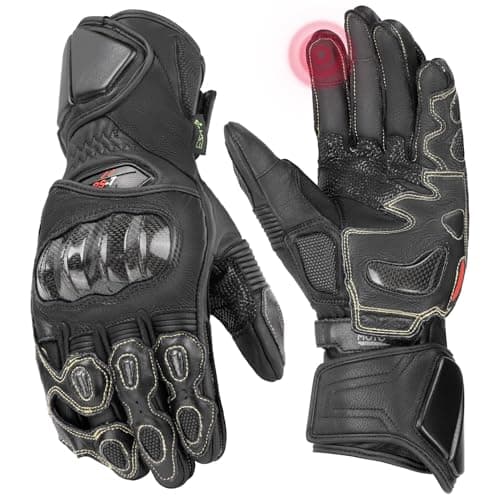
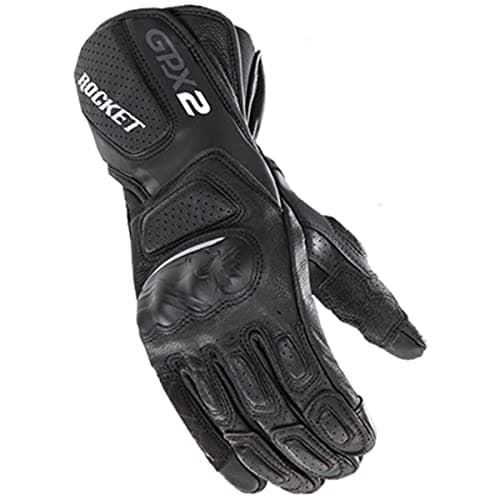
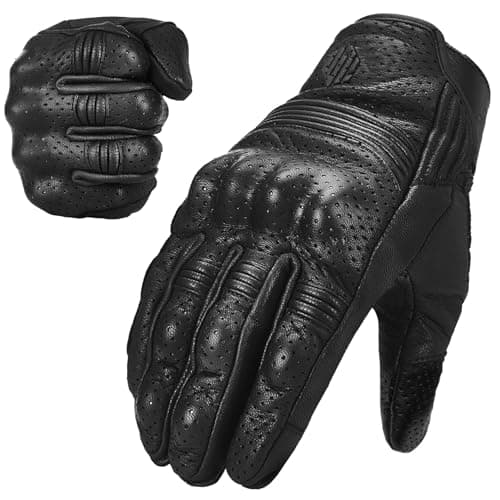
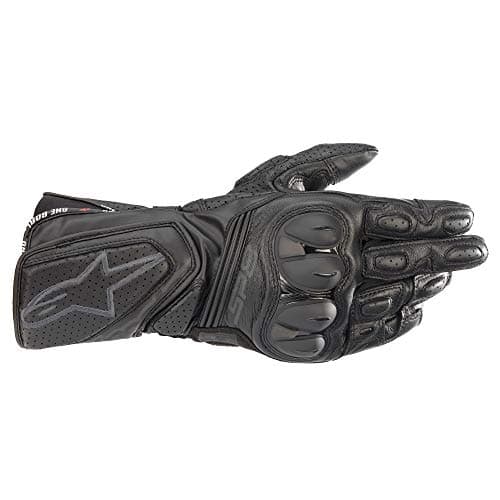
Our top pick is the Alpinestars SP-8 V3: a full-gauntlet leather glove with CE certification, race-derived knuckle and finger protection, and a reinforced palm — the most protective glove here and still sensibly priced. The Kemimoto leather glove is the value standout, CE-certified with a hard knuckle and touchscreen tips for a bargain; the Joe Rocket GPX 2.0 is the supple goatskin short-cuff for summer feel; and the perforated ILM goatskinis the cheapest leather pair we'd recommend. Different cuts and prices, all genuine leather.
Leather's one weakness is heat and water: solid leather runs warm and needs care when wet, which is where perforated leather (for summer) or a ventilated summer glove comes in. For the cuff decision, see short vs gauntlet, and get the size right first with our sizing guide — a leather glove molds to your hand, so it should start snug.
How we ranked leather gloves
Abrasion resistance and construction first — leather quality, stitching and whether the seams are external where they'd chafe in a slide — then armor (a hard knuckle at minimum, plus finger and palm reinforcement), then feel and fit, then value. Goatskin is supple and gives great bar feel; cowhide is thicker and more abrasion-resistant. A gauntlet adds wrist coverage; a short cuff breathes and is easier on and off. We rank the most protective at the top and note who each cut suits.
Leather is the right default for most riding, but it is a poor choice in cold and wet weather for structural reasons. Our leather vs textile comparison explains where the line falls and which seasons belong to the other material.
Buying leather gloves that last
Buy them snug — leather stretches.A new leather glove should be firm with your fingertips just reaching the ends; it will mold to your hand within a few rides. Too loose from the start and it'll be sloppy once broken in, letting the armor drift off the knuckle. Our sizing guide has the method.
Match the cut to your riding. A gauntlet like the SP-8 seals out wind and covers the wrist for sport and touring; a short cuff like the GPX breathes and suits summer commuting. Care for leather with a proper conditioner and let wet gloves air-dry away from heat, and a good pair lasts years. Round out the kit with our beginner gear guide.
How we picked
Everyone in this category says they tested twenty helmets. We haven't tested any — and we say so. What we do instead: compile the published DOT, ECE 22.06 and Snell certifications, the manufacturer's fit, weight and shell specs, the CE armor levels, and reputable published reviews, then score each pick against a published rubric. The scores are judgments from documented research — not measurements we took, because we do not run a lab and we are not going to pretend we do. Every certification and spec claim traces to a source we name and link.