Skip to content
LID & LEATHER

The lid · Helmets

AGV K6 vs Shoei RF-1400

Two flagship full-faces head to head - the featherweight ECE 22.06 AGV against the Snell-certified, all-round Shoei.

By Stephen V.Updated How we research
#ad

We earn a commission when you buy through our Amazon links, at no extra cost to you. It never affects our rankings, and we say so when the cheaper gear is the better buy. How this works.

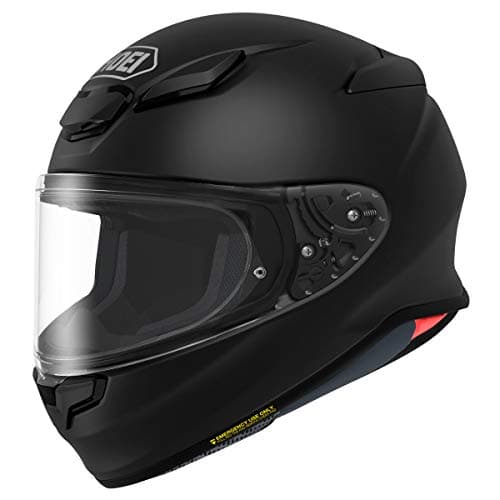
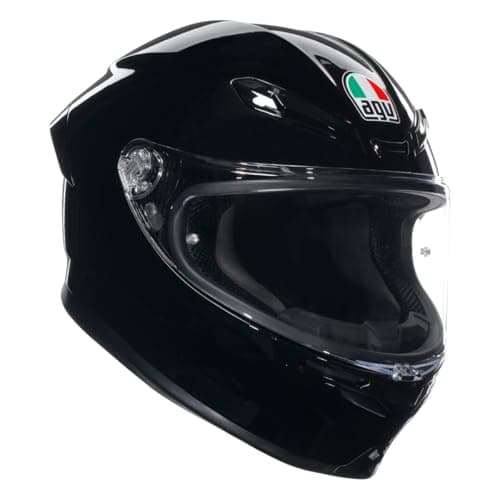
Two flagship full-faces, two different bets on what a premium helmet should be. The AGV K6 S chases the lowest possible weight; the Shoei RF-1400chases all-round refinement and a Snell sticker. We didn't crash-test either — we compiled the certifications each one carries, the shell material and weight from the manufacturers, and the fit reputation from riders and reputable published reviews, then compared them on the things that actually separate two lids this good. Both are superb; the winner is the one that matches your head and your priorities.

Here is the short version. The K6 is one of the lightest full-faces you can buy at any price, built from a carbon-aramid-fiberglass shell and certified to ECE 22.06 — the current, most demanding volume standard, including rotational testing. The RF-1400is heavier but carries both DOT and Snell M2020, uses a hand-laid multi-ply fiberglass shell in five sizes, and is one of the quietest, best-finished lids in its class. Neither is "safer" in a blanket sense — they clear different but genuinely rigorous bars.

Weight and shell

This is the K6's headline. AGV builds it from a carbon-aramid-fiberglass matrix that lands it in the ~1,300 g class, which is remarkable for the money and the kind of thing your neck notices on hour four and in a get-off. The RF-1400 uses Shoei's AIM+ multi-ply fiberglass and sits closer to the ~1,680 g mark — still light for a full-face, but a clear step heavier than the K6. If outright low weight is your top priority, the K6 wins this round cleanly, and the difference is real on a long day in the saddle.

Fit and head shape

Weight means nothing if the lid doesn't fit, and this is where the two diverge. The RF-1400 runs intermediate-oval and comes in five shell sizes, so a small head gets a small shell rather than a padded-out large one. The K6 leans sportier across four shell sizes and suits a slightly narrower, forward-leaning riding position. Neither suits a genuinely round head as well as a Bell or HJC does — so measure and learn your shape on our head-shape guidebefore you spend flagship money, because a helmet that fits your head out-protects a prestige badge that doesn't.

Certification

The K6 leans on ECE 22.06, which adds rotational and multi-point impact testing that DOT alone doesn't — see our ECE 22.06 explainer. The RF-1400 pairs DOT with Snell M2020, the voluntary private standard many track-day organizations require. If you do track days and need a Snell sticker, that decides it for the Shoei; if you value the rotational testing in the current European bar, the K6 answers that. More stickers isn't automatically safer in a given crash — read are expensive helmets safer for the honest version.

Noise, ventilation and value

Both ventilate well and both are refined, but the RF-1400 has the edge on quiet: its aero and shield seal are class-leading, and it is one of the calmer full-faces at highway speed. The K6 is no slouch, with a wide eye-port and strong flow for a sport-touring lid, but it runs firmer, sportier padding out of the box. On value, the two argue past each other: the K6 gives you flagship-level weight for less money, while the RF-1400 asks a premium and returns Snell certification, five shell sizes and that unmistakable Shoei polish.

Shield, vents and everyday use

Day to day, both are a pleasure to own. The RF-1400's tool-free shield swap and its Pinlock-equipped shield make cleaning and fog control effortless, and its emergency-release cheek pads are a genuine safety touch first responders appreciate. The K6 answers with a wide, tall eye-port that gives an excellent view in a tuck and strong through-flow ventilation for warm days. Neither is fiddly to live with, but the Shoei edges the finish and the shield mechanism while the AGV edges outright airflow and forward vision — small differences that, like the rest of this matchup, come down to what you value most.

The short answer

Quick picks

#ProductBest forScorePrice
01
AGV AGV K6 S
AGV K6 S

Astonishingly light for the money. A carbon-aramid-fiberglass shell and ECE 22.06 certification put it among the lightest full-faces you can buy, which your neck notices on a long day.

Lightest premium shell
9.0
$639.00Amazon
02
Shoei Shoei RF-1400
Shoei RF-1400

The reference full-face. DOT and Snell M2020 certified, a hand-laid fiberglass composite shell, and a fit-and-finish nobody at this price beats — if it suits your head shape, it is the safe default.

The all-round best
9.1
$541.00Amazon

#ad · Live prices from the Amazon Product API, as of Sep 4, 2026. Where we have no verified live price we show none — we would rather leave a gap than print a number that has rotted.

In detail

The picks, in full

01
AGV AGV K6 S

Lightest premium shell

AGV K6 S

ECE 22.06Carbon-aramid shell~1,300 g class4 shell sizes
9.0/10

Astonishingly light for the money. A carbon-aramid-fiberglass shell and ECE 22.06 certification put it among the lightest full-faces you can buy, which your neck notices on a long day.

Certification
9.2
Shell/weight
9.6
Noise/aero
8.8
Fit range
8.4
Value
8.8

Pros

  • ECE 22.06 — the most demanding volume standard, including rotational testing
  • Carbon/aramid/fiberglass shell makes it one of the lightest full-faces at any price
  • Wide eye-port and strong ventilation for a sport-touring lid

Cons

  • No Snell certification
  • Sportier fit and padding than a pure touring helmet

Don't buy this if…

you specifically want a Snell sticker for track days — the K6 leans on ECE 22.06 instead.

$639.00View on Amazon

Price as of Sep 4, 2026. Prices change — Amazon's is the one that counts.

#ad · we may earn a commission from this link to AGV K6 S

02
Shoei Shoei RF-1400

The all-round best

Shoei RF-1400

DOT · Snell M2020AIM+ fiberglass shell~3.7 lb / 1,680 gPinlock included
9.1/10

The reference full-face. DOT and Snell M2020 certified, a hand-laid fiberglass composite shell, and a fit-and-finish nobody at this price beats — if it suits your head shape, it is the safe default.

Certification
9.6
Shell/weight
9.2
Noise/aero
9
Fit range
8.6
Value
8

Pros

  • Both DOT and Snell M2020 certified — a genuinely rigorous pair
  • Multi-ply matrix fiberglass shell in five sizes, so small heads get a small shell
  • Emergency quick-release cheek pads and excellent aero/noise control

Cons

  • Premium price
  • Intermediate-oval fit does not suit round heads

Don't buy this if…

you have a round head shape or a tight budget — a helmet that fits your head beats a prestige badge that does not.

$541.00View on Amazon

Price as of Sep 4, 2026. Prices change — Amazon's is the one that counts.

#ad · we may earn a commission from this link to Shoei RF-1400

The verdict

If you want the lightest premium lid and value the rotational testing in ECE 22.06, the AGV K6 S is the pick — its shell-to-weight ratio is the standout here, and your neck will thank you on a long ride. If you want the quieter, more all-round helmet, a Snell M2020 sticker for track days, and five shell sizes to dial the fit, the Shoei RF-1400 earns its premium and our Best Premium Full-Face nod.

The real tie-breaker is your head. The RF-1400 suits intermediate-oval heads; the K6 suits a sportier intermediate profile. Try both on if you can, and read our measuring guide so the size is right before the badge matters. Still weighing the whole field? Both of these sit near the top of our best full-face helmets ranking, alongside value picks that protect to the same certified standards for a fraction of the price.
How we picked

We don't test helmets. Here's what we do instead.

Everyone in this category says they tested twenty helmets. We haven't tested any — and we say so. What we do instead: compile the published DOT, ECE 22.06 and Snell certifications, the manufacturer's fit, weight and shell specs, the CE armor levels, and reputable published reviews, then score each pick against a published rubric. The scores are judgments from documented research — not measurements we took, because we do not run a lab and we are not going to pretend we do. Every certification and spec claim traces to a source we name and link.

Questions

Frequently asked

Is the AGV K6 or the Shoei RF-1400 safer?
Neither is categorically safer. The K6 is certified to ECE 22.06, which includes rotational-impact testing, while the RF-1400 carries DOT and Snell M2020 — different but equally rigorous bars. There is no published evidence that one out-protects the other in a real crash. The variable that actually changes your protection is fit, so buy the one that matches your head shape.
Which is lighter, the K6 or the RF-1400?
The AGV K6 S. Its carbon-aramid-fiberglass shell puts it in the ~1,300 g class, notably lighter than the RF-1400's ~1,680 g. On a long day that lower weight means less neck fatigue, which is the K6's single biggest advantage.
Does the AGV K6 have Snell certification?
No — the K6 leans on ECE 22.06 rather than Snell. If a Snell M2020 sticker is a requirement for your track-day organization, the DOT-and-Snell Shoei RF-1400 is the pick of these two. For street riding, ECE 22.06 is a genuinely demanding standard on its own.

Keep reading

Receipts

Sources

We do not run a testing lab, and we do not pretend to. Our picks are built from published certifications, manufacturer spec sheets, the standards documents themselves, and reputable published reviews — named and linked above. Where we could not verify something, we say so on the page rather than quietly leaving it out. Read our full method.