Top pick · Best affordable glove
The most protection per dollar on this page: CE-certified leather with hard knuckle armor for a fraction of a premium gauntlet. If you want one affordable pair and you don't want to think about it any further, this is the one.
Riding mostly in the heat, or spending as little as you possibly can? The Joe Rocket GPX 2.0 and the ILM goatskin come in below it — compare all three.
A cheap glove and an unprotective glove are not the same thing. Plenty of affordable gloves skip the parts that actually save your hands, and plenty of them don't. The trick is knowing what you can never compromise on at any price: hard knuckle protection, a real abrasion material, a secure cuff, and where the budget allows, a palm slider. We didn't crash-test these; we compiled the published CE ratings, specs and reputable reviews, then ranked the gloves that keep those essentials while cutting the price.
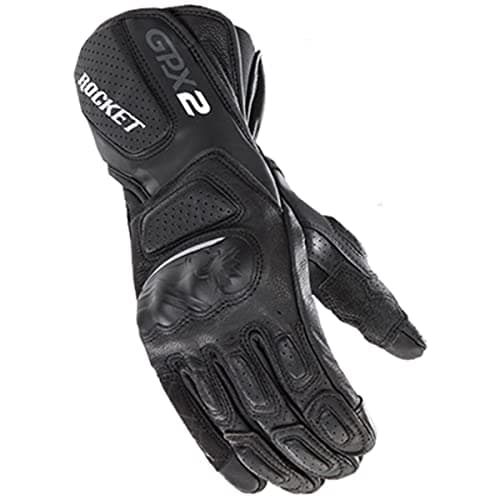
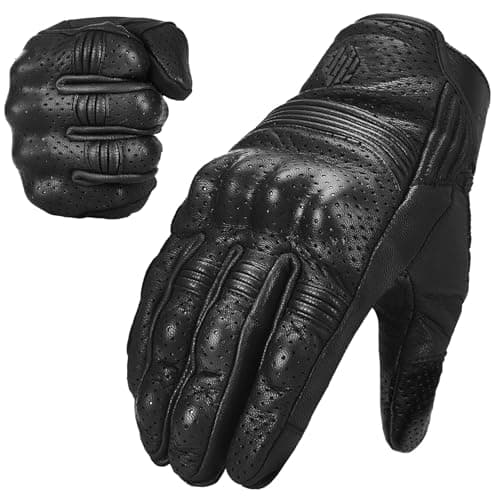
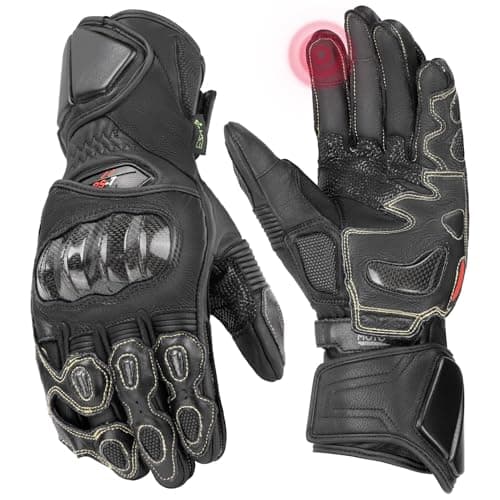
Our top budget pick is the Kemimoto Leather Gloves — CE-certified leather with hard knuckle armor and touchscreen fingertips for a fraction of a premium gauntlet, genuinely protective rather than just cheap. The short-cuff Joe Rocket GPX 2.0 is the summer-friendly budget choice: supple goatskin with a hard knuckle and real airflow, low enough to keep a spare pair in the bag. And the ILM goatskin glove is the cheapest pair we'd still put on a bike, real leather with knuckle protection for the price of a couple of coffees, ideal as a first pair or a backup.
Which budget pick suits you comes down to when you ride. Riding mostly in the heat? The perforated ILM and the vented Joe Rocket GPX 2.0 breathe best. Want the most protection for the money and ride year-round in milder weather? The CE-certified Kemimoto is the one to start with. New to riding and unsure how much to spend? Any of the three beats a bare hand by a mile, so buy the cheapest that fits well and upgrade later once you know your riding.
Be honest about the trade. At a budget price you usually give up the top EN 13594 Level 2 rating, the race-grade sliding palm and the long, sealing gauntlet cuff you get on a premium glove. That's a fair compromise for a commuter or a new rider, but if you ride fast or ride far it's worth stepping up: see the best motorcycle gloves for the full range. Whatever you spend, get the size right first with our glove sizing guide, because a loose glove puts the armor in the wrong place no matter what it cost.
How we ranked budget gloves
Non-negotiables first: a hard knuckle, a real abrasion material (leather here, not fashion fabric), and a secure wrist closure so the glove stays on in a slide. Then CE certification wherever the maker states it, then feel, fit and value. A glove that saved a few dollars by dropping the knuckle armor or the wrist strap didn't make the list; that's the line between a budget riding glove and a costume that happens to look like one.
Budget is where published certification thins out fastest, so it is worth knowing what you are giving up: our EN 13594 explained guide covers the levels and the KP mark, and do you need motorcycle gloves makes the case for buying any certified pair over none.
The three compared, side by side
All three clear the one bar nothing affordable should fail — a hard knuckle over real leather — so the table covers where they differ. Every price is pulled live from Amazon; where we have no verified price we show none rather than print a number that has rotted.
| Glove | Abrasion material | Palm & cuff | EN 13594 level | Price |
|---|
Kemimoto Leather
Best value | Leather | Basic palm reinforcement, short cuff | CE certified; level not published | |
Joe Rocket GPX 2.0
Best in the heat | Goatskin leather, vented | Palm padding, short cuff | Not stated by the maker | |
ILM Goatskin
Cheapest we'd ride in | Goatskin leather | Basic palm protection, short cuff | Not stated by the maker | |
Read it left to right and the decision makes itself. The Kemimoto is the only one whose maker has paid to certify it to a motorcycle standard, which is why it leads. The Joe Rocket trades that certification for ventilation and bar feel, so it is the one to buy if most of your riding is hot. The ILM trades both for the lowest price of the three, and it still beats a bare hand by a distance. None of the three publishes a Level 1 or Level 2 figure, which is the single clearest thing you buy when you step up a tier.
How to tell an affordable glove from a cheap one
The listings all use the same photography and the same words, so judge them on what can actually be checked. On the product page, look for a named leather (goatskin, cowhide) rather than "genuine leather" or "PU"; a hard knuckle you can see as a separate molded piece, not a padded panel with stitched-on styling; and a closure at the wrist — a strap or an elasticated cinch — on top of whatever the cuff does. If a maker has certified the glove, it prints the standard: EN 13594, usually with a level. Silence on the standard is not automatically a red flag on a low-priced glove, but it means you are buying on construction, so the construction has to be visible.
When the pair arrives, three checks take a minute. Pull the glove on and make a fist: the knuckle armor should sit over your knuckles, not above or below them. Tug hard at the cuff with the other hand — if it slides off, it will slide off in a crash too, and the size or the closure is wrong. Then look at the palm seams; on a glove that will last, they sit outside the wear zone rather than across the heel of the hand where a slide starts. Anything that fails those, send back. That is the whole difference between affordable and cheap.
What not to compromise on a budget
Four things have to survive the price cut. Hard knuckle protection, because the back of the hand takes the first impact. A real abrasion material — goatskin or cowhide leather, not thin unrated fabric — because that is what stands between your skin and the pavement in a slide. A secure cuff or wrist strap, because a glove that pulls off protects nothing. And a reinforced or sliding palm where the budget allows, so a sliding hand skates instead of catching and wrenching the wrist. Drop any of those to hit a price and you're buying a glove that looks the part but isn't doing the job.
What you give up to save money
Budget gloves earn their price somewhere, and it helps to know where. Usually it's the top EN 13594 Level 2 rating, a dedicated race-grade sliding palm, a full gauntlet cuff, or the premium leather and stitching that make a glove last for years. Sometimes the CE level simply isn't stated at all. None of that makes a well-chosen budget glove unsafe for everyday riding, but if you want the maximum protection of a certified sport gauntlet, that is where the extra money goes. For the abrasion-first step up, see the best leather motorcycle gloves.
Is a CE rating worth chasing on a budget?
If two budget gloves are close, the one with a stated EN 13594 level is the safer buy: it has actually been tested to a motorcycle standard for abrasion, tear and seam strength rather than just looking tough. A Level 1 rating is plenty for most everyday riding. That said, a well-made leather glove with a hard knuckle and a secure cuff still protects even where the maker hasn't paid to certify it, which is why one of our picks earns its place on construction alone.
Make it last
A budget glove looked after well outlasts a premium glove neglected. Buy leather snug so it molds to your hand rather than sliding around once broken in, keep it out of direct heat when it dries, and give it an occasional wipe and condition. Treated that way, even the cheapest pair here will protect for season after season, which is what makes a good budget glove such good value in the first place.