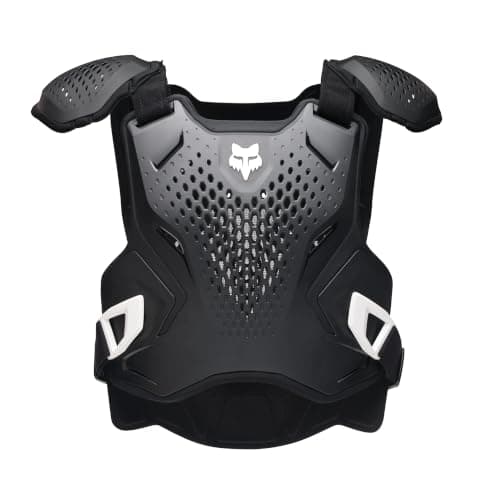
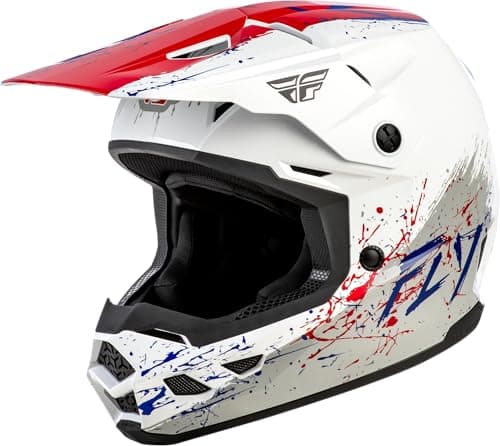
If you are buying gear for a child for the first time, the useful thing to know before you spend anything is that almost none of the protective-equipment rules you are imagining for children exist. There is no separate safety standard for a kid's motorcycle helmet. There is no youth category in the neck-brace world, because there is no neck-brace standard at all. And the chest piece everyone in the paddock is wearing is certified against flying stones, not against impacts. None of that means the gear is bad — a lot of it is very good. It means the shortcuts you would normally take, like trusting a label or buying a size up, do not work here, and the six items below are presented in the order you should buy them with the reason attached to each.
Three facts do the work on this page, and all three are sourced at the bottom. One:under 49 CFR 571.218 (FMVSS No. 218), the US helmet standard applies at S3 to all helmets "designed for use by motorcyclists and other motor vehicle users" — no youth, child or junior category appears anywhere in it. What scales with size is the test apparatus, not the bar: S6.1.1 sends a designated size not exceeding 6 3/4 to the small headform, and Table 1 sets that drop assembly at 3.4–3.6 kgagainst 4.9–5.1 kg for medium and 6.0–6.2 kg for large, while the S5.1 injury criteria are identical at every size. The practical consequence is the one rule we repeat everywhere: the size on the label is part of what was tested, so a helmet bought a size up to grow into is no longer the thing that was certified. The full argument, with the picks, is in our youth helmet ranking.
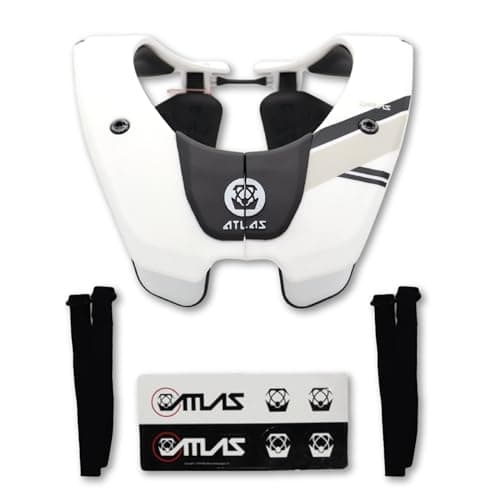
Two:neck braces are CE-marked as personal protective equipment under Regulation (EU) 2016/425, and there is no neck-specific harmonized standard behind that mark for any age. So "CE certified" on a youth brace is a conformity route rather than a published test result, and the things worth comparing are what each maker publishes — weight, adjustment range, whether the certificate exists as a document. Our youth neck brace ranking sorts the category on exactly that, with growth adjustment first.
Three: the chest piece. A youth roost deflector like the Fox R3 publishes CE certification to EN 14021, which is the European standard for stone shields — protection against stones and debris. It is not EN 1621-3, the chest-impact standard. Both are real standards and the deflector is honestly certified to the one it names; the error is reading a deflector as body armor. If you want certified chest impact protection, that is a different product, and our chest protector ranking covers the ones that publish a level.
What follows is a buying order, not a ranking of quality. The helmet and goggles are not optional and come first. Gloves are the cheapest injury you will ever prevent. Boots are the item parents skip and the ankle is the thing that breaks. The brace and the deflector come last, and only once the riding justifies them.
The buying order, and why it is that order
- Helmet.Non-negotiable, bought to fit today. Measure the head and buy against the maker's published chart rather than an age band. Prefer a maker that publishes multiple shell and EPS sizes across the youth range, because one shell plus thicker foam puts more mass and more leverage on a neck that is already carrying a disproportionately heavy head.
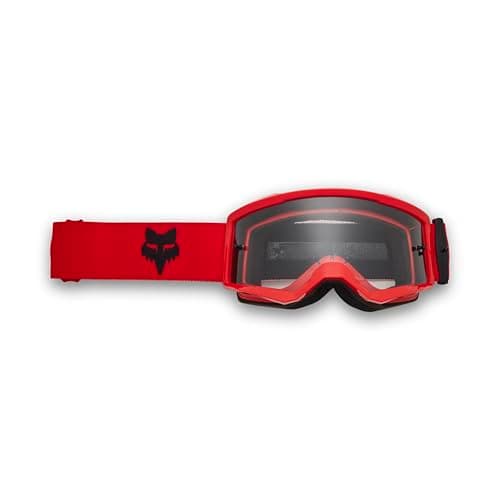
- Goggles. Same purchase, same day. An off-road helmet has an open eye port, so the goggles are the visor. A kid riding an MX helmet without goggles is riding with no eye protection at all.
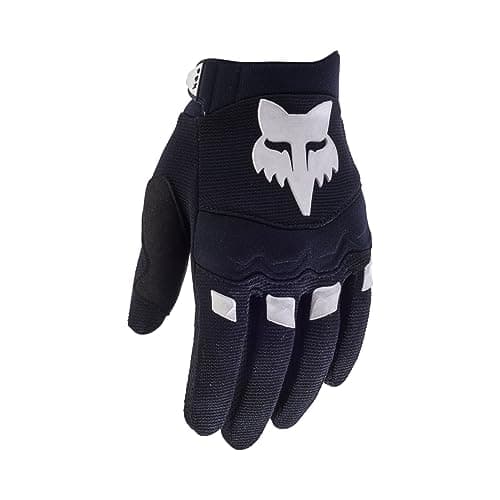
- Gloves.The cheapest thing on this list and the one that pays off fastest, because hands take the first contact in nearly every low-speed fall. Buy a thin youth glove over a padded adult glove in a small size — lever feel is a safety feature on a bike a child is still learning to stop.
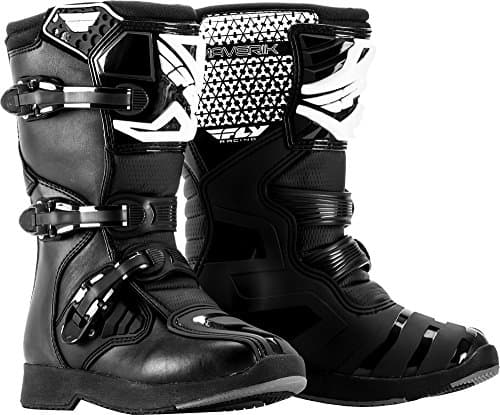
- Boots. The item that gets skipped. An MX boot is a splint with a sole: a molded shin plate, an inner-ankle plate and enough buckles to stop the ankle rotating. Sneakers on footpegs are how a slow tip-over becomes a cast.
- Neck brace. Once the riding leaves the ground or involves a start gate. Sized on chest circumference, never bought big to grow into, and re-checked every season.
- Roost deflector.Last, and for what it actually is — debris protection certified to EN 14021. Fit it after the brace, because the brace's position is set by the helmet rim and the deflector's is not.
The sizing rule that applies to all six
Buy to fit now.It is the most expensive piece of advice on this page and the only one that is non-negotiable, because the reason is different for every item and points the same way each time. A helmet bought a size up is outside the size that was certified and will roll off under load. A brace bought big sits low on the chest, opens the gap to the helmet rim and lets the head travel before the platform engages. A glove bought big turns into a loose bag between hand and lever. A boot bought big lets the ankle move inside the thing meant to stop it moving. Gear a child will "grow into" protects a child who does not exist yet.
The three fit checks, and why you do them yourself
A kid who wants to ride will tell you anything fits. Do these yourself, with everything on at once, and with the rider sitting on the bike rather than standing in the kitchen.
- Roll-off. With the helmet strapped, cup the rear edge and try to roll it forward off the head. It should not come. Repeat at the front edge, rolling back. This is the single check that matters most and the one that catches a helmet that has become too big over a growth spurt.
- Cheek and brow.Cheek pads should press the cheeks noticeably — a new youth helmet should feel snug, not comfortable. Ask about the brow specifically, because forehead pressure is the complaint that ends in a helmet left in the garage.
- Brace gap. Helmet and brace on together, seated: looking down and looking up, the helmet rim should meet the brace platform at the limit of comfortable movement, not before it. And the brace frame should bridge the collarbones rather than rest on them.
What each item is certified to, and what it is not
| Item | Standard that applies | What that does not cover |
|---|
| Youth helmet | FMVSS No. 218 (DOT), and ECE 22.06 on imports — no youth category in either | Nothing about fit beyond the designated size that was tested |
| Goggles | Fox names no standard for the Main; the lens is published as Lexan | No published impact or penetration result |
| Youth MX gloves | None published — EN 13594 exists but the category does not certify to it | No abrasion, seam-burst or impact result |
| Youth MX boots | None published — EN 13634 exists but youth MX boots rarely carry it | No published ankle-impact or sole-stiffness result |
| Neck brace | CE under Reg (EU) 2016/425 — no harmonized neck standard exists | No published force limits to compare braces on |
| Roost deflector | EN 14021 — stone and debris shield | Chest impact, which is EN 1621-3 and a different product |
Read that table once and the category stops being confusing. Two of the six items carry a named standard that does something you can check. One carries a standard that does something other than what people assume. Three carry none at all. That is not an argument against buying them — a boot with no certificate is still a splint, and a glove with no certificate still has a TPR knuckle over the knuckle. It is an argument against letting a label do your thinking.
Street riding changes the list
Everything above assumes dirt. If the young rider is on pavement — a scooter, a small road bike, a learner permit — the priorities invert. The open-eye-port helmet and the goggles are replaced by a full-face road helmet with a visor. The MX glove is replaced by a road glove with a published EN 13594 level and a palm that can slide. The MX boot is replaced by a road boot with EN 13634 certification. And the neck brace, which is built around off-road crash geometry, is replaced by a certified back protector— a product with real published limits behind a more common injury. Our beginner gear guide walks that version of the list.
Budgeting for a rider who will outgrow it
The honest arithmetic: the helmet and the brace are the two items where paying more buys something measurable (published shell counts and weight on the helmet, adjustment range on the brace), and they are also the two most likely to be outgrown. Goggles, gloves and the deflector are cheap and should simply be replaced on fit. Boots sit awkwardly in the middle, which is why the youth MX boot market is full of resale. Nothing here is improved by buying a season ahead. Our gear cost breakdown sets out the adult version of the same trade, and when to replace motorcycle gear covers judging gear by inspection rather than by date — which for a child means re-running the roll-off test every season rather than waiting five years.
How we picked
Everyone in this category says they tested twenty helmets. We haven't tested any — and we say so. What we do instead: compile the published DOT, ECE 22.06 and Snell certifications, the manufacturer's fit, weight and shell specs, the CE armor levels, and reputable published reviews, then score each pick against a published rubric. The scores are judgments from documented research — not measurements we took, because we do not run a lab and we are not going to pretend we do. Every certification and spec claim traces to a source we name and link.