Here is the sentence that should reorganize your garage. In its owner's manual, AFX states plainly that a helmet can be damaged without visible signsby gasoline, oil, petroleum-based fluids and solvents. Schuberth's E2 manual says direct contact with motor fuel, thinners or solvents can damage both the inner and the outer shell, and that the helmet should be kept away from those substances even while cleaning. uvex tells owners not to store a helmet anywhere solvents can reach it, because solvents attack the shock-absorbing EPS. Three makers, the same warning: the thing that destroys a helmet quietly is chemistry, not impact.
Now consider where most riders keep a helmet. On a shelf above the workbench, on the bike itself, or hooked over the mirror — in a garage, which is the one room in the house that contains fuel, brake cleaner, chain lube, aerosol solvents and the biggest temperature and humidity swings of any space you own. The gear is stored next to everything its manual warns about, and because the damage leaves no mark, nothing tells you it happened. You find out in the only test that counts.
So the single most valuable storage rule is unglamorous: gear lives indoors. Not in the garage, not in a shed, not in the pannier. A hall cupboard, a wardrobe, a shelf in a spare room — anywhere with a stable temperature, no UV and no open solvents. Everything below is detail hanging off that one rule, split into the between-rides case and the over-winter case, because they are different problems.
This page is about storage. For getting the gear clean before it goes away — which is a prerequisite, not an optional extra — see how to clean a helmet, how to wash a jacket and how to care for boots. And for the harder question of when stored gear has stopped being protective equipment, our when to replace motorcycle gear guide covers it by inspection rather than by date.
The helmet: four rules, in priority order
1. Away from fuel and solvents.This is the one with maker warnings behind it, and it is not about splashing petrol on the lid — it is about shared air and contact with a surface that has had solvent on it. A helmet on the workbench where you cleaned a chain last week is on a solvent-contaminated surface. MOMO Design extends the same ban to the visor specifically, telling owners to keep petrol, benzene and any solvent- or hydrocarbon-containing product away from the visor and its mechanisms. Visor coatings and the anti-fog treatment on a Pinlock-style insert are the softest surfaces on the helmet.
2. Never on the mirror, the bar end or the tank.A mirror stalk or a bar end concentrates the helmet's weight on one small patch of the liner, and the EPS and cheek pads take a permanent set — you are slowly reshaping the part that is sized to your head. The tank is worse: it puts the EPS directly in the path of fuel vapor. Store it on a flat shelf, in its bag, or on a stand that supports the shell.
3. Out of sunlight and off the heat.UV embrittles a shell's clear coat and degrades soft visor coatings; a hot car in summer is an oven for a helmet, and nothing good happens to the glue holding a liner together. A cupboard shelf is a better helmet home than a windowsill in every season.
4. Dry it before you close it.A helmet that comes off a hot ride has a liner full of sweat. Zip that into a bag overnight and you have built an incubator; do it all winter and you have a liner that smells and a shell interior growing things. Leave the visor open and the helmet somewhere airy until the liner is dry to the touch, then bag it. Moving unheated air is the right tool — a radiator or a hot-air gun shrinks liner fabric and attacks adhesive.
Jackets and pants: hang them, and let them breathe
Use a wide hanger, never a wire one.A riding jacket is heavy, and heavier still with armor in it. A wire hanger puts all of that on two points and leaves permanent shoulder dents in leather and set creases in textile — right where the shoulder armor needs to sit flat.
Never store a jacket in a sealed plastic bag.This applies to leather especially: leather needs to exchange moisture with the air, and a sealed bag traps what is already in the hide, which is how stored jackets grow mold. If you want a cover, use a breathable fabric garment bag. The same logic applies to a membrane textile jacket from the other direction — a waterproof membrane stored damp is a membrane that can delaminate, so the garment has to be fully dry before it goes in the wardrobe, not just dry on the outside.
Store it clean.Road salt, bug residue and dried sweat are all mildly corrosive and all keep working while the jacket hangs there for five months. Sweat salts in particular wick into leather and stiffen it. Wash or wipe down first — our jacket washing guide covers doing that without stripping a DWR finish, and how to waterproof motorcycle gear covers putting the finish back.
Leave the armor in, but leave it flat. Impact foam takes a set like anything else. Hanging a jacket normally keeps the back protector and limb pads in their natural shape; folding a jacket into a box with the back pad bent double for a winter does the pad no favors. If your gear must be boxed, box it loosely.
Gloves and boots: shape is the whole problem
Gloves dry flat, away from direct heat.Leather gloves dried on a radiator shrink and harden, and a hardened palm is a palm that will not take a slide the way the leather was certified to. Lay them flat, fingers straight, and let them come back slowly. Store them flat too, not crushed in a tank bag with a helmet on top — a hard knuckle protector pressed out of position for months is an armor-placement problem.
Boots dry with the liner open and keep their shape. Pull the insoles, open the boot up as far as the closures allow and let the inside dry before storing. Boot shapers or loosely balled paper stop the ankle area collapsing, which matters because the ankle cup is the protective part. Again: no direct heat. Our boot care guide has the cleaning and conditioning side.
Over-winter storage: the three extra steps
- Everything goes away clean and bone dry. Five months is long enough for anything damp to become something you throw out.
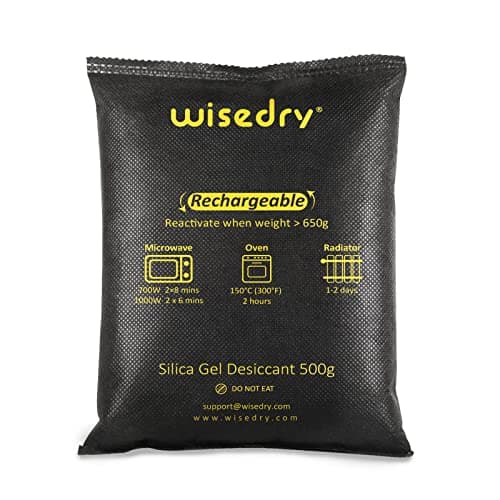
- Control the damp in the space, not the garment.If the only place you have is a cool wardrobe or a sealed tub, a rechargeable silica-gel desiccant in the enclosed space is the cheap, correct fix — and check its indicator, because an exhausted pack looks exactly like a working one.
- Write the date on something.Helmets and soft armor age out whether or not you ride. Storage pauses the wear, not the clock — see how long motorcycle helmets last.
What we would actually buy
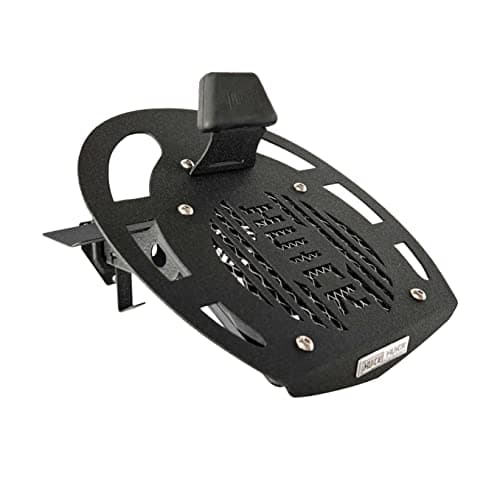
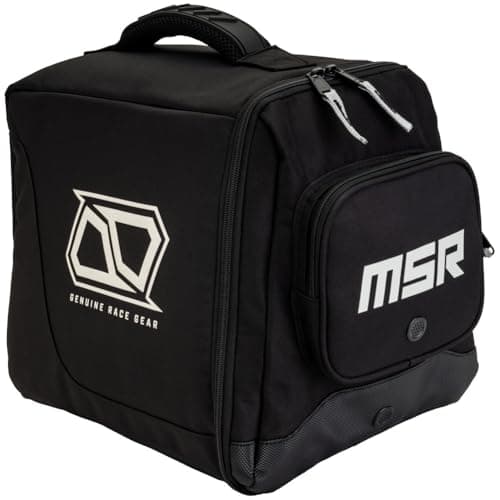
Very little, is the honest answer. The rules above are mostly free: move the gear indoors, use a wide hanger, dry things before you put them away. If you buy anything, buy a lined helmet bagfirst — not because the bag is magic, but because having one is what makes carrying the helmet inside the easy option instead of the virtuous one. Add a fan stand if your liner is genuinely wet after every ride, and a rechargeable desiccant if your only storage space is damp. Skip the rest. Note on the three picks below: these are storage accessories, and the makers publish far less about them than a helmet or jacket maker does about a protective product, so the cards say plainly where the published detail runs out.