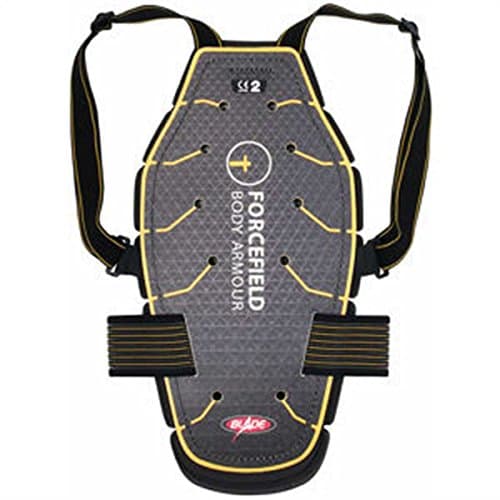
The verdict: buy Level 2 if the protector you want publishes it, and do not let the hunt for Level 2 leave you riding with the foam pad your jacket came with. Under EN 1621-2, a Level 1 back protector may transmit an average of up to 18 kN through to the spine in the test; a Level 2 may transmit no more than 9 kN. That is the whole difference in one line — same test, same impact energy, half the permitted force. Our Level 2 pick is the Forcefield Blade, which publishes CE Level 2 and wears on its own harness so it works with any jacket.
What makes this question confusing is not the standard. It is that the overwhelming majority of jackets are sold with a soft foam placeholder in the back pocket that carries no CE level at all, and buyers then spend their energy choosing between Level 1 and Level 2 while wearing something that was never certified to either. If that is you, the upgrade from "foam placeholder" to "any certified protector" is worth more than the upgrade from Level 1 to Level 2, and it costs less. Our do you need a back protector guide takes that argument apart properly.
What EN 1621-2 actually tests
EN 1621-2 is the European standard for motorcycle back protectors. A striker of defined mass and shape is dropped onto the protector with a set impact energy, and the force that makes it through the protector to the anvil underneath is measured. The protector is rated by how much force it lets through:
- Level 1: average transmitted force not more than 18 kN, with no single value above 24 kN.
- Level 2: average transmitted force not more than 9 kN, with no single value above 12 kN.
Two things follow that people get wrong. First, lower is better and the numbers are limits, not scores— a protector that transmits 7 kN and one that transmits 8.9 kN are both Level 2, and neither publishes the actual figure. Second, the level says nothing about coverage. A small Level 2 pad that does not reach your shoulder blades or your coccyx is rated on the area it covers, not on the area it misses, which is why our sizing guide exists and why size matters alongside level. The companion standard for limb armor is EN 1621-1, covered in our CE armor levels explainer, and the garment standard for the jacket itself is EN 17092.
So which should you buy?
Level 2 if you can get it in the shape you need.The permitted transmitted force is half, the protector is usually thicker or made of a more capable material, and the cost difference at retail is small compared to the jacket it is going into. The real-world objections to Level 2 are thickness, stiffness and heat — a thicker protector sits further off your back and is warmer in summer, and a stiff one is noticeable when you are tucked.
Level 1 is a legitimate choice, not a failure. It is a passed certification against a real test. A Level 1 protector that is comfortable enough that you wear it every ride beats a Level 2 you left at home because it was hot, and a Level 1 in the correct size beats an undersized Level 2. This is the same logic we apply across the site: the protection you are actually wearing is the only protection you have.
How to find out what you already own
- Take the pad out and read it. Certified armor is marked. You are looking for the standard (EN 1621-2), the level (1 or 2), the type designation, a size and the CE mark with the notified body number. An unmarked slab of foam is a placeholder.
- Check whether it says 1621-1 instead. EN 1621-1 is limb armor. A pad marked 1621-1 sitting in a back pocket is not a certified back protector.
- Look for "Type" and a letter. EN 1621-2 distinguishes full back protectors from central-back protectors, which is a coverage distinction, not a performance one.
- If there is no marking at all, replace it. An insert that drops into the pocket your jacket already has is the cheapest meaningful safety upgrade available to most riders.
Level 1 vs Level 2, side by side
| Level 1 | Level 2 |
|---|
| Standard | EN 1621-2 | EN 1621-2 |
| Max average transmitted force | 18 kN | 9 kN |
| Max single value | 24 kN | 12 kN |
| Typical thickness | Thinner, cooler, less obtrusive | Thicker or denser; more noticeable |
| What it says about coverage | Nothing — size is a separate decision | Nothing — size is a separate decision |
What our three picks publish — honestly
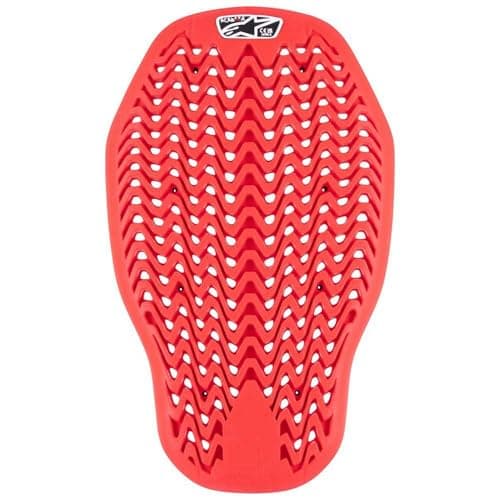
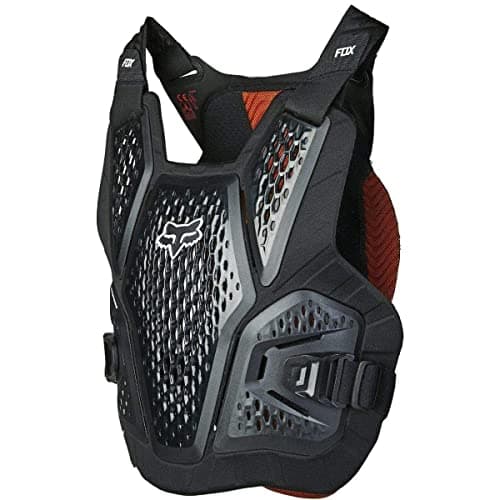
This is where a page like this usually hand-waves, so here is the plain version. Of the three protectors below, only the Forcefield Blade publishes a CE Level 2 rating. The Alpinestars Nucleon Plasma insert is published as CE-certified for a jacket back pocket without a level we can quote, and the Fox Raceframe is published as a D3O back protector without a level we can quote either. We are not going to assign them levels they do not state.
That is not a reason to dismiss them — it is the exact reason this page exists. An insert that turns an empty pocket into certified protection is a real upgrade; a ventilated soft D3O protector that an off-road rider will actually wear in summer heat is a real upgrade. But if your decision is specifically "I want Level 2 on my spine," the honest answer from our catalog is the Forcefield, and anything else should be checked on its own label before you count on it.
| Pick | Published level | How it is worn | Best for |
|---|
| Forcefield Blade | CE Level 2 (EN 1621-2) | Own harness — works with any jacket | The Level 2 answer |
| Alpinestars Nucleon Plasma Insert | CE certified; no level published by us | Drops into a jacket back pocket | Replacing a foam placeholder cheaply |
| Fox Racing Raceframe (D3O) | D3O protector; no level published by us | Worn over or under, ventilated | Off-road and ADV heat |
Level is one of three decisions
Level, size and how it is held in placeare separate questions and all three matter. A protector that rides down below your lumbar spine when you tuck is not protecting your thoracic spine whatever its label says — our sizing guide covers measuring from the C7 vertebra down and why harness protectors hold position better than loose inserts. If you are weighing a protector against an airbag instead, our airbag vest vs back protector comparison is the page for that, and best back protectors ranks the field.
How we picked
Everyone in this category says they tested twenty helmets. We haven't tested any — and we say so. What we do instead: compile the published DOT, ECE 22.06 and Snell certifications, the manufacturer's fit, weight and shell specs, the CE armor levels, and reputable published reviews, then score each pick against a published rubric. The scores are judgments from documented research — not measurements we took, because we do not run a lab and we are not going to pretend we do. Every certification and spec claim traces to a source we name and link.