Most jackets ship with CE armor at the shoulders and elbows and a block of foam where a back protector should be. That foam is a placeholder, not protection — and it leaves your spine, chest and ribs, the parts of the torso most worth protecting, effectively uncovered. Real body armor fixes that: a certified back protector, a chest guard, and for the highest level, an airbag vest. We didn't crash-test any of these; we compiled the CE ratings, coverage and fit, then ranked the pieces that upgrade a jacket into a genuinely protected torso.
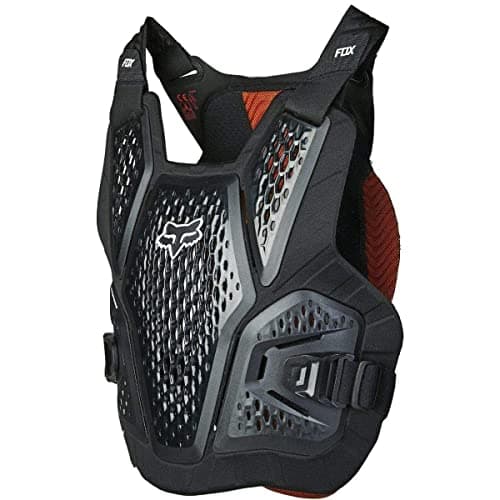
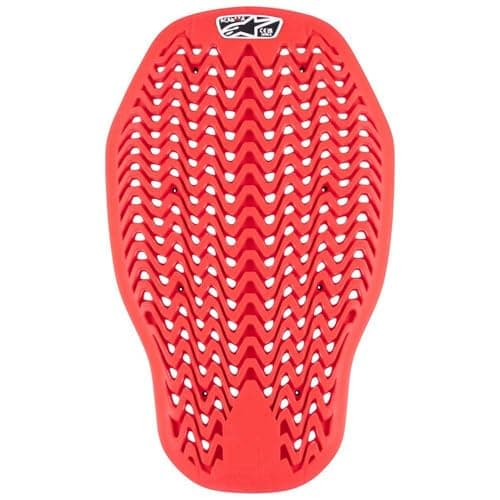
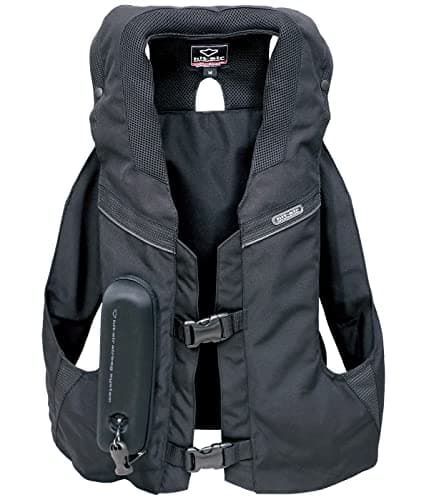
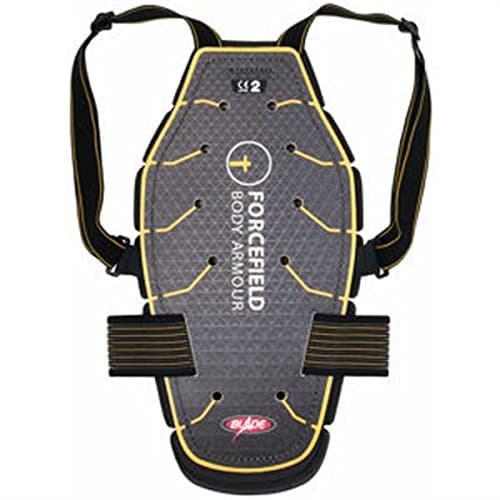
Our top pick is the Forcefield Blade: a CE Level 2 standalone back protector with a harness that keeps it over your spine independent of your jacket — the gold standard for spinal coverage. The Fox Raceframe adds chest and back coverage in one D3O guard, ideal for off-road and adventure riders; the Alpinestars Nucleonis the easy upgrade that drops straight into a jacket's back pocket to replace that foam; and the Hit-Air MLV2 vest is the route to airbag-level torso protection, with the widest published coverage map of any vest we rank. Layer these to match your riding.
Think of body armor as a stack: a back protector is the essential first upgrade, a chest guard covers the ribs and sternum, and an airbag vest wraps the whole torso in the split-second before impact. You don't need all of it at once — start with the spine. For the standalone spine options, see best back protectors; for airbags, see best airbag vests; and to weigh vest against protector, read airbag vest vs back protector.
How we ranked body armor
CE certification and level first — a Level 2 protector transmits roughly half the force of a Level 1 in the standard test — then coverage (spine, chest, ribs), then how reliably it stays in place (a harnessed or worn protector beats a loose jacket-pocket insert that can shift), then comfort and value. Airbag systems sit at the top for peak protection but add cost and, for tethered models, a trigger to manage. We rank by what each piece protects and how dependably it does it.
The back is the zone where sizing goes wrong most often, because a protector that is the right level in the wrong place protects nothing. Our back protector sizing guide covers measuring for a harness, an insert and a strap-on unit.
Armor carriers are increasingly sold as shirts, hoodies and base layers rather than as armor, and the distinction matters: our armored shirts guide explains what those garments protect, what they do not, and which standard covers each half.
Body armor covers the torso and the limbs above the waist. For the legs, the choice is between armored denim and textile over-pants — our riding pants ranking ranks the textile side on published garment class and the armor that actually ships in the box.
Building your torso protection
Start with the back.The spine is the highest-stakes, most-exposed part of the torso, and the jacket foam covering it is the weakest link in most riders' gear. A CE Level 2 back protector — worn on a harness or dropped into the jacket pocket — is the single best armor upgrade you can make. Confirm it's marked to EN 1621-2 for backs, not the shoulder/elbow standard.
Then add coverage as your riding demands. Off-road and adventure riders benefit from a chest/back guard like the Raceframe; street and touring riders chasing maximum protection step up to an airbag vest. Whatever you add, fit is everything — armor that shifts off the spine or rides up doesn't protect. See do you need a back protector to size and position one correctly.