Skip to content
LID & LEATHER

Abrasion + armor · Jackets

The Best Heated Motorcycle Jacket Liners

The single biggest upgrade to winter riding, and the one riders put off longest. Ranked on the thing that actually decides your experience: where the power comes from, and whether it runs out before you get home.

By Stephen V.Updated How we research
#ad

We earn a commission when you buy through our Amazon links, at no extra cost to you. It never affects our rankings, and we say so when the cheaper gear is the better buy. How this works.

Ask a rider who commutes through winter what changed everything, and a heated liner comes up more often than any helmet, jacket or tire. The reason is physiological rather than sentimental: when your core gets cold, your body constricts blood flow to your hands and feet to protect it. Heat the core and your extremities get their supply back. A heated liner is not a comfort item — it is the thing that makes heated gloves work properly and your feet stop aching.

The one decision that matters is power. A 12V linerwires to your bike's battery through a fused lead, so it runs at full output for as long as the engine does. A rechargeable liner carries its own battery, works anywhere, and fades — sooner on high, and sooner again in genuinely cold weather, because low temperatures reduce lithium output. That is a cruel irony on exactly the days you bought it for.

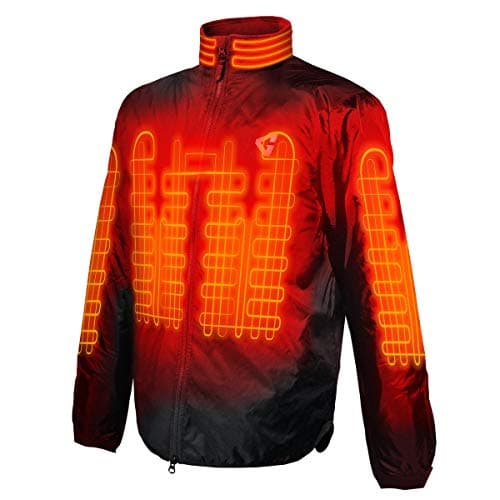
Our top pick is the Firstgear Gen4 Heated Jacket Liner, which delivers hardwired, no-fade heat with a windproof outer face for less than the alternative. The Gerbing 12V Jacket Liner is the reference product in this category and the hub of a wired ecosystem that extends to gloves and pant liners. The Gerbing 12V Vest Liner is the smart, lower-bulk, lower-draw option that heats what actually matters. The ORORO Heated Fleece is the best cordless choice. And the Savior Heat jacket is the cheapest way to find out whether any of this is for you.

One thing stated plainly and stated on every card: none of these is protective equipment. A heated liner carries no EN 17092 certification, and it is not a substitute for an armored jacket — it goes underneath one. Our armored jacket ranking covers the layer that actually protects you, and CE armor levels explained covers what the certifications mean.

The short answer

Quick picks

#ProductBest forScorePrice
01
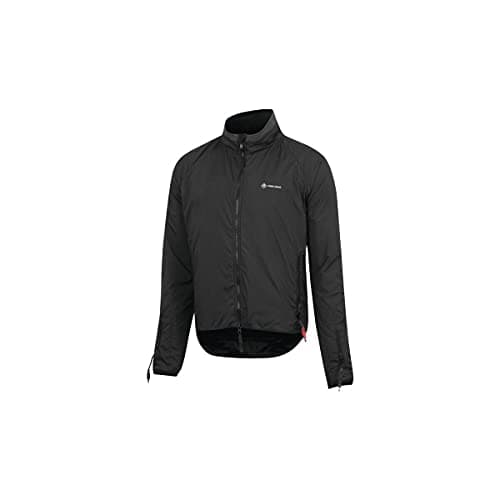
Firstgear Firstgear Gen4 Heated Jacket Liner
Firstgear Gen4 Heated Jacket Liner

The other serious 12V liner, and usually the cheaper way into hardwired heat. Firstgear has been building heated gear for touring riders for years and the Gen4 is the current version of a well-proven design.

Best value 12V liner
9.0
$186.75Amazon
02
Gerbing Gerbing 12V Heated Jacket Liner
Gerbing 12V Heated Jacket Liner

The reference 12V liner. Wired to the bike, so it heats your whole torso and arms at full output for as long as the engine is running — no battery to fade at hour three of a cold ride.

Best heated liner overall
8.9
$245.99Amazon
03
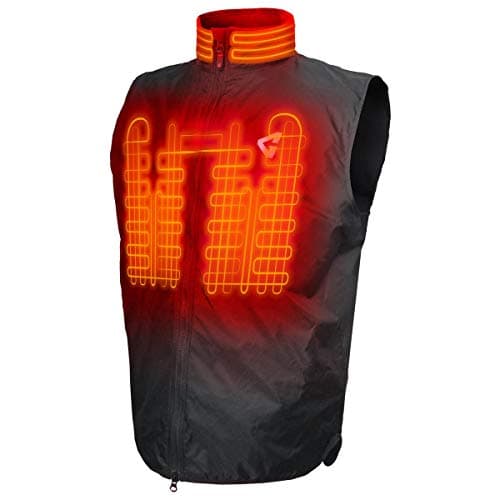
Gerbing Gerbing 12V Heated Vest Liner
Gerbing 12V Heated Vest Liner

The sleeveless version, and a smarter buy than it looks. Heating your core is what stops your body pulling blood back from your hands and feet — so a vest plus decent gloves often beats a full liner plus thin ones.

Core heat, less bulk
8.8
$198.99Amazon
04
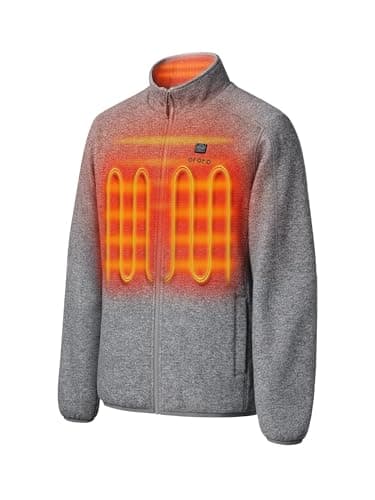
ORORO ORORO Heated Fleece Jacket
ORORO Heated Fleece Jacket

The battery option that is genuinely comfortable off the bike. Four heating zones on a rechargeable pack, in a fleece you can wear into a cafe without unplugging anything — at the cost of a battery that will not do a full cold day on high.

Best cordless liner
7.8
$149.99Amazon
05
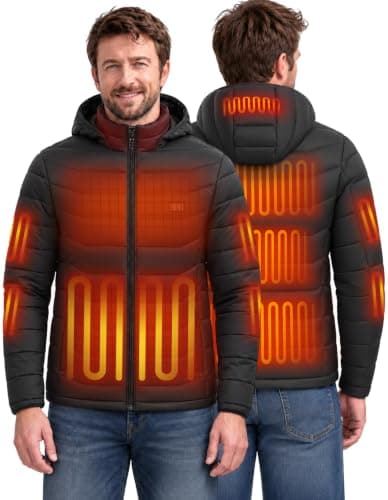
Savior Heat Savior Heat Heated Jacket
Savior Heat Heated Jacket

The cheapest way to find out whether heated kit changes your winter. It comes with a battery, it works, and it costs a fraction of a wired liner — buy it knowing exactly what it is not.

Cheapest way in
7.4
$59.99Amazon

#ad · Live prices from the Amazon Product API, as of Sep 7, 2026. Where we have no verified live price we show none — we would rather leave a gap than print a number that has rotted.

In detail

The picks, in full

01
Firstgear Firstgear Gen4 Heated Jacket Liner

Best value 12V liner

Firstgear Gen4 Heated Jacket Liner

12V hardwiredFull torso + sleevesFirstgear controller ecosystemWindproof shell
9.0/10

The other serious 12V liner, and usually the cheaper way into hardwired heat. Firstgear has been building heated gear for touring riders for years and the Gen4 is the current version of a well-proven design.

Heat output
9.2
Run time
9.8
Coverage
9
Fit under gear
8.6
Value
8.6

Pros

  • Meaningfully cheaper than the Gerbing while delivering the same bike-powered, no-fade heat
  • Windproof outer face, so it blocks draught as well as adding warmth
  • Works with Firstgear's heat-troller range for proper temperature control rather than on/off

Cons

  • Same tether: you unplug to walk away, every time
  • Sizing runs close, so a bulky mid-layer underneath may not fit
  • No EN 17092 certification — it is an electrical layer, not armor

Don't buy this if…

you want warmth off the bike as well as on it — a battery jacket goes where you go, a 12V liner does not.

$186.75View on Amazon

Price as of Sep 7, 2026. Prices change — Amazon's is the one that counts.

#ad · we may earn a commission from this link to Firstgear Gen4 Heated Jacket Liner

02
Gerbing Gerbing 12V Heated Jacket Liner

Best heated liner overall

Gerbing 12V Heated Jacket Liner

12V hardwiredFull torso + sleevesBike-powered, no batteryController compatible
8.9/10

The reference 12V liner. Wired to the bike, so it heats your whole torso and arms at full output for as long as the engine is running — no battery to fade at hour three of a cold ride.

Heat output
9.6
Run time
9.8
Coverage
9.2
Fit under gear
8.4
Value
7.6

Pros

  • Bike-powered heat that does not fade, which is the entire argument against battery liners
  • Covers torso and arms rather than just a vest panel, so your whole core stays warm
  • Part of a wired ecosystem — gloves and pant liners run off the same controller

Cons

  • You are tethered to the bike by a coiled lead and must unplug before dismounting
  • Requires wiring a fused lead to the battery, which is a real installation
  • No EN 17092 certification — this is a warmth layer, not protection

Don't buy this if…

you will not run a fused lead to your battery — a rechargeable liner is the no-wiring answer, at the cost of run time.

$245.99View on Amazon

Price as of Sep 7, 2026. Prices change — Amazon's is the one that counts.

#ad · we may earn a commission from this link to Gerbing 12V Heated Jacket Liner

03
Gerbing Gerbing 12V Heated Vest Liner

Core heat, less bulk

Gerbing 12V Heated Vest Liner

12V hardwiredTorso onlyLower current drawLayers under any jacket
8.8/10

The sleeveless version, and a smarter buy than it looks. Heating your core is what stops your body pulling blood back from your hands and feet — so a vest plus decent gloves often beats a full liner plus thin ones.

Heat output
8.8
Run time
9.8
Coverage
7.4
Fit under gear
9.4
Value
8.4

Pros

  • Warming the core is what keeps your extremities supplied — the physiology favors a vest
  • Less bulk at the shoulders and elbows, so armor in your jacket still sits where it should
  • Lower current draw than a full jacket liner, which matters on a small charging system

Cons

  • Arms get nothing, so on the coldest days a full liner is warmer
  • Still tethered to the bike
  • No EN 17092 certification

Don't buy this if…

your specific complaint is cold arms rather than a cold core — then buy the full jacket liner.

$198.99View on Amazon

Price as of Sep 7, 2026. Prices change — Amazon's is the one that counts.

#ad · we may earn a commission from this link to Gerbing 12V Heated Vest Liner

04
ORORO ORORO Heated Fleece Jacket

Best cordless liner

ORORO Heated Fleece Jacket

Battery powered4 heating zonesFleece constructionNo wiring
7.8/10

The battery option that is genuinely comfortable off the bike. Four heating zones on a rechargeable pack, in a fleece you can wear into a cafe without unplugging anything — at the cost of a battery that will not do a full cold day on high.

Heat output
8
Run time
6.6
Coverage
8.6
Fit under gear
7.4
Value
8.6

Pros

  • No installation at all — works on any bike, and off the bike too
  • Four heating zones spread warmth across the core and back rather than one panel
  • Doubles as normal winter clothing, which a 12V liner really does not

Cons

  • Battery run time falls off sharply on the highest setting, and cold weather reduces it further
  • Fleece is bulkier under a fitted riding jacket than a thin wired liner
  • A general outdoor product, not a motorcycle-specific one, and not EN 17092 certified

Don't buy this if…

your cold rides are all-day — a battery that fades at hour three is the wrong failure mode in February.

$149.99View on Amazon

Price as of Sep 7, 2026. Prices change — Amazon's is the one that counts.

#ad · we may earn a commission from this link to ORORO Heated Fleece Jacket

05
Savior Heat Savior Heat Heated Jacket

Cheapest way in

Savior Heat Heated Jacket

Battery includedRechargeableMultiple heat settingsGeneral-purpose garment
7.4/10

The cheapest way to find out whether heated kit changes your winter. It comes with a battery, it works, and it costs a fraction of a wired liner — buy it knowing exactly what it is not.

Heat output
7
Run time
6
Coverage
7.6
Fit under gear
6.8
Value
9.4

Pros

  • Battery pack included, so there is no second purchase before it works
  • Low enough cost to try heated gear without committing to a wiring job
  • Useful off the bike, at a dog walk or a cold garage, which is where most owners use it

Cons

  • Shortest run time here, and general-purpose rather than motorcycle-designed
  • Cut is not shaped for a riding position, so it can ride up at the back
  • No EN 17092 certification, and no windproofing to speak of

Don't buy this if…

you are a year-round commuter — buy a 12V liner instead and stop thinking about batteries.

$59.99View on Amazon

Price as of Sep 7, 2026. Prices change — Amazon's is the one that counts.

#ad · we may earn a commission from this link to Savior Heat Heated Jacket

12V or battery: the whole decision, in one section

Buy 12V if your cold rides run longer than a couple of hours, you ride the same bike most of the time, and you are willing to run a fused lead from the battery to a connector at the front of the seat. You get constant, unlimited heat at full output. The cost is a tether: you unplug the coiled lead before you get off, every single time, and you will forget once and feel very silly.

Buy battery if you change bikes, borrow bikes, ride pillion, want warmth off the bike, or simply will not wire anything. You get freedom and convenience, and you accept that on a genuinely cold all-day ride you will be managing a battery rather than forgetting about it. Buy a spare pack if this is your route — it costs less than upgrading later.

Two practical notes on the 12V route. Fuse the lead at the battery, always — every reputable kit includes one, and this is a live circuit running under your clothing. And check your bike's surplus charging capacity in the service manual before adding a liner plus heated gloves plus grips; a small-displacement bike does not have infinite watts, and the failure mode is a battery that will not start you in the morning.

Vest or full jacket?

The counter-intuitive answer is that a vest is often enough, and sometimes better. Warming your torso is what stops your body pulling blood back from your hands and feet, so a heated vest with good gloves frequently beats a full heated jacket with thin ones. A vest also has less bulk at the shoulders and elbows, which matters more than riders expect: a thick layer under a fitted jacket can push the armor off the joint it is supposed to cover.

Go for the full jacket liner if your specific complaint is cold arms — sleeves get direct airflow on a naked bike and a vest does nothing for them — or if you ride in genuinely severe cold where you want every square inch heated. Otherwise the vest is lighter, draws less current and layers better.

Fit: this layer sits between you and your armor

A heated liner goes on over a thin base layer and under your riding jacket, which means it is competing for space with the armor that protects you. Get this wrong and you have made yourself warmer and less safe at the same time.

Check two things once the liner is on and the jacket is zipped. First, that the shoulder and elbow armor still sits on the point of your shoulder and elbow rather than pushed inboard. Second, that your back protector still sits flat against your spine rather than bridged over a fold of fabric. If either has moved, you need a thinner liner or a larger jacket — not a compromise.

This is also why the thin wired liners generally beat bulky fleece jackets for riding. A fleece is warmer as a garment and worse as a layer. Our layering guide works through the whole stack from skin outwards.

Controllers, and why on/off is not enough

A heated liner running flat out is hotter than you want above about 45°F, and heat you cannot dial down gets switched off entirely — which is how expensive gear ends up unused. Both Gerbing and Firstgear sell temperature controllers that work with their liners, and they are worth budgeting for at purchase rather than discovering later.

Single-controller systems that run a liner, gloves and pant liners together are the reason the wired ecosystems are worth committing to. If you think you will eventually add heated gloves — and if you ride in real cold, you will; see our heated glove ranking— buy into one brand's connector system from the start.

What a heated liner does not fix

It does not block wind. Heat added inside a jacket that leaks air is heat going straight out again, which is why the windproof face on the Firstgear matters and why your outer layer still has to seal at the neck, cuffs and hem. A cheap heated layer under a well-sealed jacket beats an expensive one under a mesh jacket, every time.

It does not protect you. Say it once more because the marketing photographs are of people on motorcycles: no heated liner on this page carries EN 17092 certification, and heat is not armor. Wear it under a certified jacket from our jacket ranking, and if you ride in winter specifically, our waterproof jacket ranking is the outer layer that makes the whole system work.

Which one should you buy?

Buy the Firstgear Gen4 if you are wiring your bike and want the best balance of price, coverage and windproofing. Buy the Gerbing 12V Jacket Liner if you want the reference product and intend to build a full wired system with gloves and pant liners on one controller.

Buy the Gerbing 12V Vest Liner if you want the physiologically smart option — core heat, minimum bulk, lowest current draw — and you already have decent gloves. Buy the ORORO Heated Fleece if you will not wire anything and want a garment that works off the bike too. Buy the Savior Heat jacket only as an experiment; if it convinces you, upgrade to 12V and do not look back.
How we picked

We don't test helmets. Here's what we do instead.

Everyone in this category says they tested twenty helmets. We haven't tested any — and we say so. What we do instead: compile the published DOT, ECE 22.06 and Snell certifications, the manufacturer's fit, weight and shell specs, the CE armor levels, and reputable published reviews, then score each pick against a published rubric. The scores are judgments from documented research — not measurements we took, because we do not run a lab and we are not going to pretend we do. Every certification and spec claim traces to a source we name and link.

Questions

Frequently asked

Are 12V heated liners better than battery-powered ones?
For riding, yes — a 12V liner runs at full output for as long as the engine does, with no fade. A battery liner is more convenient, works off the bike and needs no installation, but run time drops sharply on high settings and drops further in cold weather because low temperatures reduce lithium battery output. Match the power source to how long your cold rides actually are.
Will a heated liner drain my motorcycle battery?
Not while the engine is running, provided your charging system has the surplus capacity — check the alternator output in your service manual and subtract what the bike already uses. Where riders get into trouble is stacking a liner, heated gloves and heated grips on a small-displacement bike. Always fuse the lead at the battery.
Do I need a heated jacket or is a heated vest enough?
A vest is enough for most riders. Warming your core is what stops your body restricting blood flow to your hands and feet, so a heated vest with good gloves often outperforms a heated jacket with thin ones. Choose the full jacket liner if cold arms are your specific complaint or you ride in severe cold.
Does a heated liner count as protective gear?
No. None of the liners on this page carries an EN 17092 certification — they are warmth layers with no abrasion or impact rating. A heated liner goes underneath a certified armored jacket, never instead of one. See CE armor levels explained.
Will a heated liner fit under my riding jacket?
Check after you buy, before you commit. With the liner on and the jacket zipped, confirm your shoulder and elbow armor still sits on the joint rather than pushed inboard, and that the back protector lies flat. If a bulky liner has moved your armor, you have made yourself warmer and less protected.
Can I wear a heated liner on any bike?
A battery liner, yes — no installation at all. A 12V liner needs a fused lead wired to that specific bike's battery, so moving between machines means fitting a lead to each one. Leads are cheap; it is worth doing if you regularly ride more than one bike.

Keep reading

Receipts

Sources

We do not run a testing lab, and we do not pretend to. Our picks are built from published certifications, manufacturer spec sheets, the standards documents themselves, and reputable published reviews — named and linked above. Where we could not verify something, we say so on the page rather than quietly leaving it out. Read our full method.