There is a safety argument for winter gloves that has nothing to do with crashing. Numb fingers are clumsy fingers, and clumsy fingers make mistakes on a clutch and a front brake at exactly the moment you need them not to. Cold also makes you tense, and a tense rider fights the bike. A winter glove is not a comfort item — it is the piece of kit that keeps your hands working well enough to ride properly when it is 35 degrees and raining.
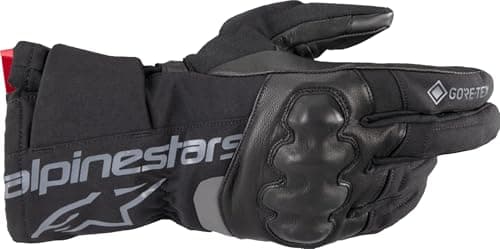
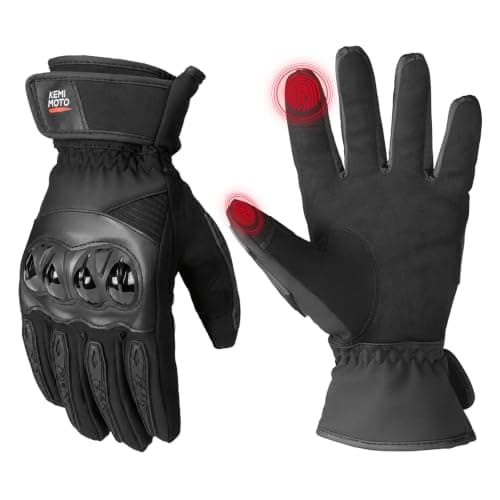
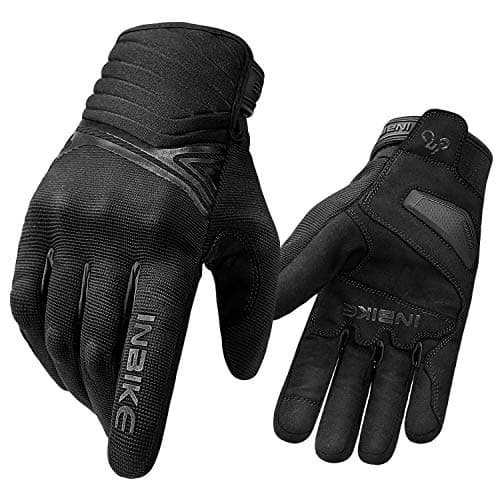
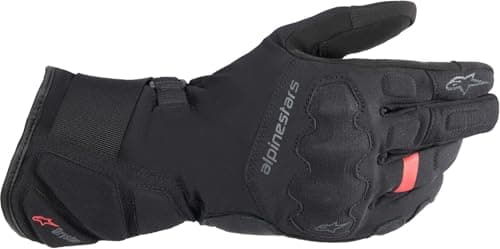
The Alpinestars Tourer W-7 V2 Drystar is the all-round pick: waterproof, windproof and insulated, with knuckle protection and a long sealing cuff, and it keeps more dexterity than most gloves in its class. Step up to the Alpinestars WT-4 Gore-Tex if your winters are genuinely hard — a real GORE-TEX membrane with 80 g PrimaLoft Silver insulation and GORE GRIP construction, which is the combination that keeps bar feel alive in deep cold. The Kemimoto gives you waterproofing, thermal lining and hard knuckle armor for a fraction of the price, and the INBIKEis the cheapest pair here we would actually put on a rider's hands.
A word on what winter gloves are not: they are not a replacement for a properly protective summer glove the rest of the year. Insulation adds bulk, bulk costs bar feel, and most winter gloves do not publish an EN 13594 level. Two pairs — a certified summer glove and a warm waterproof one — end up cheaper and better than one compromise. Our best motorcycle gloves ranking covers the other half of that pair.
Waterproof is more important than warm
This is the counter-intuitive part. A well-insulated glove that lets water in is worse than a thinner glove that stays dry, because wet insulation stops insulating and evaporation then pulls heat out of your hands faster than the cold air alone ever would. Wind is the same story: a glove that blocks the wind is doing most of the job before you add a gram of filling. So look for a named membrane— GORE-TEX on the WT-4, Alpinestars' own Drystar on the Tourer W-7, or an unbranded waterproof membrane on the value pairs — and treat insulation as the second question, not the first.
Insulation weight, and why more is not better
Insulation is usually quoted in grams per square meter: the WT-4's 80 g PrimaLoft Silver Insulation Active is a mid-weight figure chosen deliberately. Pile in more filling and the glove gets warmer standing still and worse to ride in, because every millimeter of loft is a millimeter between your fingers and the lever. The best winter gloves use a moderate weight of good insulation plus a windproof membrane, rather than a thick layer of cheap filling. PrimaLoft in particular is designed to let excess heat and moisture escape, so your hands do not end up damp from the inside — which is how riders get cold in an otherwise warm glove.
Bar feel is the spec you will notice every single ride
The hardest thing a winter glove has to do is stay warm while letting you feel the controls. GORE GRIP construction, used on the WT-4, bonds the membrane directly to the palm so the layers cannot shift and bunch — that is why an expensive winter glove can feel thinner than a cheap one with the same insulation. Pre-curved fingers help too. If a glove forces you to squeeze harder to be sure you have the lever, it is costing you control, and on a cold wet road control is the whole point.
Cuff length: seal it over or under the sleeve
Cold air and rain get in at the wrist, and the fix is a proper seal. A gauntlet cuff goes over the jacket sleeve and is the warmest, driest option, especially in rain running down your arms. A mid or short cuff, like the WT-4's, can be worn under the sleeve instead, which some riders prefer because the jacket cuff then sheds water over the top of the glove. Either works; what does not work is a gap. Check the seal with the actual jacket you ride in — our short vs gauntlet comparison covers the trade-off in detail.
Protection does not get a winter exemption
A cold-weather crash is exactly as abrasive as a summer one, so a winter glove still needs a hard or reinforced knuckle, a reinforced palm and a secure wrist closure. Ski gloves and work gloves have none of those and should never be on a motorcycle. Be aware that many winter gloves — including two on this page — do not publish an EN 13594 level, because the insulation and membrane complicate the test. That is a real gap and we have flagged it in the cons rather than glossing over it. The full standard is explained in our glove buying guide.
Heated grips change the math
Worth knowing before you spend: heated grips warm your palms from the inside, which means a thinner, more dextrous glove can work in temperatures that would otherwise need a heavy one. The catch is that grips heat the palm and not the back of the hand, where the wind hits, so you still want a windproof shell — just not necessarily the thickest insulation on the shelf. Heated gloves solve both problems and add a cable and a battery to manage; for most riders a good membrane glove is the simpler answer.
Which one should you buy?
Buy the Tourer W-7 V2 Drystar for most winters — waterproof, insulated, protective, and it keeps enough feel to ride properly. Buy the WT-4 Gore-Tex if you ride through hard cold and wet regularly and want the best membrane and the best bar feel money buys. Buy the Kemimoto if you want a warm waterproof glove without a premium price, and the INBIKE if the real choice is between a cheap warm glove and not riding. Then pair whichever you choose with a properly certified summer glove from our main gloves ranking, and size both with our glove sizing guide.