Feet are the last thing riders address and the first thing that ruins a winter ride. They are also the one place where the intuitive fix — thicker socks — regularly makes things worse. Before you spend anything, it is worth understanding why a foot inside a motorcycle boot gets colder than a foot inside a walking boot in the same weather, because the answer changes what you should buy.
Three things are working against you. Conduction: your sole is pressed against a metal footpeg that is at ambient temperature and connected to a large metal machine, and metal pulls heat out of you far faster than air does. Stillness: your feet barely move, so you generate almost no heat down there. Compression: a riding boot fits closer than a hiking boot, and insulation only works by trapping still air — squeeze the air out and you have removed the insulation.
That last point is the one that catches everyone. Putting a thick sock inside a boot that already fits does not add insulation; it removes it, by compressing both the sock and your foot. Circulation drops at the same time, which is a double loss. A thin sock in a boot with air space around it is warmer than a thick sock in a boot without — every time.
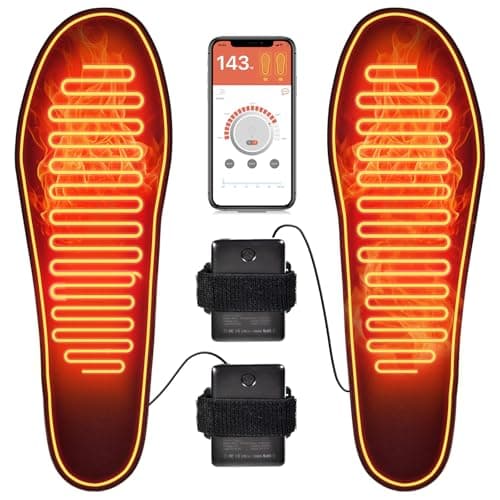
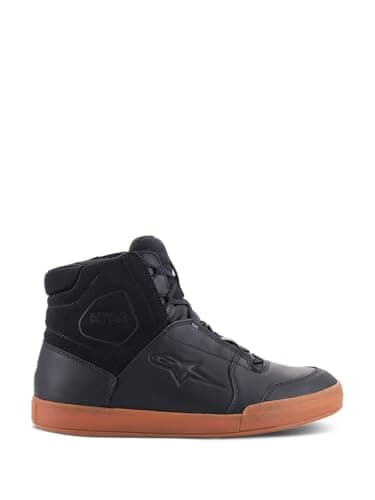
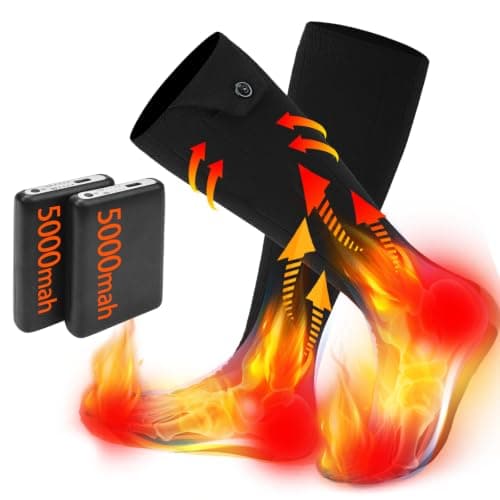
So the order below runs from free to expensive, and most riders solve this before reaching the products. When they do not, the answer is heat applied at the sole and toes: our picks are rechargeable heated socks for the widest coverage, heated insoles for the most direct application, and — if the boot itself is the problem — the Alpinestars Chrome Drystar, which is the most weather coverage in our waterproof boot ranking.
Step 1: check whether your boot has room (free)
Put on the socks you actually ride in, lace or fasten the boot as you normally would, and try to wiggle all your toes freely. If you cannot, your boot is too tight for cold weather and no sock, insole or heating element will fix it — they will all make it worse by taking up more of the space you do not have.
If your boots are new and you ride in winter, buy them with a winter sock on. Half a size up on a riding boot is a legitimate choice for a cold-climate rider, and it costs nothing at purchase time versus a lot afterwards. Our boot buying guide covers sizing properly.
Step 2: fix the conduction path (nearly free)
The footpeg is a heat sink bolted to your bike, and your sole is pressed against it for the entire ride. Two cheap interventions help more than they sound like they should. First, rubber-covered pegs — many bikes have them, many riders remove them for grip, and a bare metal peg is measurably worse in winter. Second, ride with the ball of your foot on the peg rather than the arch where possible, which reduces contact area and puts the thickest part of the sole in the way.
A thicker, stiffer sole is the other half of this. Purpose-built motorcycle boots generally have more sole between you and the peg than a fashion boot or a work boot, which is one of several reasons they are warmer as well as safer.
Step 3: block the wind, especially at the ankle (cheap)
Wind on a boot strips heat continuously, and most riders have a gap they have never thought about: the point where trousers meet boot. If your trousers sit inside a tall boot, air gets funnelled straight down the shaft. If they sit over a short boot, air gets in at the ankle. Overlap them deliberately — trousers over the boot shaft, with a snug cuff — and you close the biggest single leak.
A waterproof, windproof boot matters here for a reason beyond rain. A membrane like Drystar blocks moving air as well as water, and blocking air is most of what keeps a foot warm. A leather boot with no membrane breathes, which is excellent in July and the wrong property in January. Our waterproof boot ranking covers the certified options.
Step 4: get the socks right (cheap, and counter-intuitive)
Never cotton. Cotton socks absorb sweat and hold it against your skin, and a damp foot in moving air is colder than a dry one regardless of how thick the sock is. Merino wool is the right material because it insulates when damp; a synthetic blend is the durable, cheaper alternative.
On thickness, follow the room you actually have. If your boot has space, a heavyweight merino sock is excellent. If it does not, use a thin merino liner sock and accept that the warmth has to come from somewhere else — that is what step five is for. Two thin socks are also usually warmer than one thick one if there is room, because the layer between them traps air and reduces friction.
Start every ride with dry socks. This sounds trivial and it is the difference between a comfortable two-hour ride and a miserable one. Carrying a spare pair costs nothing.
Step 5: add heat (the last step, not the first)
If steps one to four are done and your feet still go numb, then it is time to add energy. Two formats, and the choice is about the room in your boots.
Heated socksput elements across the toes — where numbness starts — and they go on instead of your riding socks rather than on top of them, so the net gain in bulk is smaller than an insole's. They are still a thick knit, so step one above still applies. The battery sits at the cuff, which is fine with short boots and can be awkward inside a tall touring boot with a close calf.
Heated insoles apply heat at the sole, which is exactly where the footpeg is taking it away. They are the most directly targeted fix and the bulkiest, so they need a boot with genuine room. Both formats run on rechargeable batteries and both lose run time in cold weather, so treat published figures as optimistic and start every cold ride fully charged.
There is also a wired option worth knowing about: several of the heated-gear ecosystems that run a 12V jacket liner also offer bike-powered socks or insoles on the same controller, which removes the battery problem entirely at the cost of another lead.
The layer most people miss: your core
If your core is cold, your body constricts blood flow to your extremities to protect it, and no amount of local heat at your feet fully compensates for a body that has decided your toes are expendable. Riders who fix their torso often find their feet warm up on their own.
This is why a heated vest is a cold-feet solution as much as a cold-chest one, and why our layering guide starts at the torso. If you are only going to solve one part of the cold problem this winter, solve the core first and reassess your feet afterwards.
Do not trade protection for warmth
Nothing on this page is protective equipment. Heated socks and insoles carry no EN 13634 rating, because they are electrical accessories rather than footwear. What protects your feet and ankles is the boot: an ankle is a complex joint with very little soft tissue over the bone, and it is one of the most commonly injured areas in motorcycle crashes.
So the correct answer to cold feet is never "wear a warmer non-riding boot". It is a certified riding boot with room in it, sensible socks, and heat added if needed. Our do you need motorcycle boots guide makes the case, and our main boot ranking has the certified options.