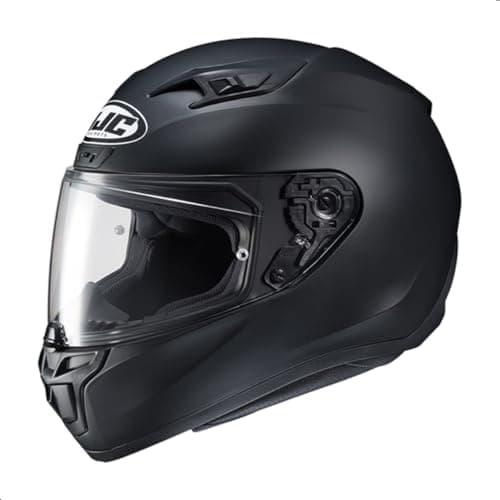
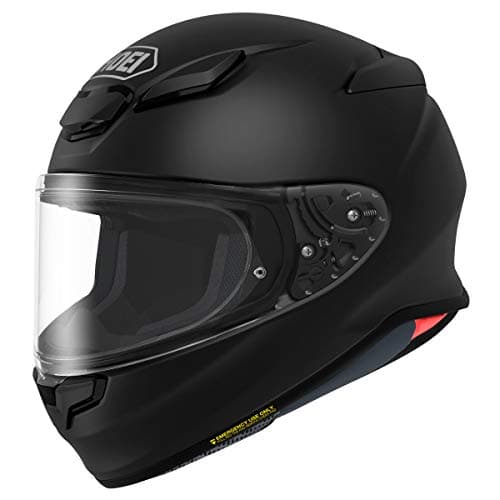
The Shoei RF-1400 costs roughly five times what the HJC i10does, and the honest question every rider asks is whether the premium is worth it. We didn't crash-test either — we compiled the certifications each one carries, the shell and weight specs from the manufacturers, and reputable published reviews, then compared them on what your money actually buys. The short answer: the extra spend goes to weight, quiet and refinement, not to a higher level of basic protection — so for a lot of riders, the value pick is the smart buy.
Start with the thing that matters most. Both lids clear a genuinely rigorous certification bar: the RF-1400 carries DOT and Snell M2020, and so does the i10 — the same voluntary standard many track-day organizations require, at a fraction of the price. Neither is a compromise on the certified floor — the i10 is a real, fully protective helmet, not a step down in safety. Our DOT vs ECE vs Snell explainer covers exactly what each sticker tests.
What the extra money buys
The Shoei's premium is real, it just isn't about basic protection. You get a hand-laid multi-ply fiberglass shell in five sizes (so a small head gets a small shell), a lighter overall package, a quieter, better-sealed cabin at highway speed, and a fit-and-finish nobody at the price beats — tool-free shield swaps, plush liner, emergency-release cheek pads. The i10 uses a polycarbonate shell that is heavier and a little louder, and its ventilation and refinement are a notch below. These are comfort and longevity gains that keep you wearing the lid, which genuinely matters — but they are not a higher crash-test grade.
Weight, quiet and the long-day feel
The gap you actually notice is on a long ride. The Shoei's composite shell is lighter on your neck and its sealed cabin is calmer at highway speed, so fatigue creeps in slower; the i10's polycarbonate shell is heavier and a touch louder, which matters more the longer you stay in the saddle. For a short commute that difference is easy to live with — for all-day highway miles it is exactly what the premium is buying. If quiet is your priority either way, weigh both against the field on our quietest helmets page.
When the value pick is the smart buy
The i10 is the right call more often than helmet snobbery admits. If you ride mostly commutes and errands, if this is an early helmet, or if a tight budget means the choice is really between a certified value lid and stretching dangerously thin, the HJC i10wins: DOT and Snell M2020 certified, a comfortable rounder-to-intermediate fit, and a Pinlock-ready shield in the box, for roughly a fifth of the Shoei's price. That leaves budget for a proper jacket, gloves and boots — a complete kit of certified gear protects you far more than one premium helmet worn with a hoodie. See the wider field on our best budget helmets page.
When the Shoei is worth it
Spend up for the RF-1400 if you ride long days and highway miles, where its lower weight and quieter cabin fight fatigue; if you want the five-shell-size fit precision; or if you need a Snell sticker for track days. A premium lid you wear for hours in comfort earns its keep. What you should never do is trade down on certification or the correct fit to chase a badge — a certified value helmet that fits your head out-protects a flagship that doesn't, which is exactly the point of whether expensive helmets are safer.
The verdict
For most riders on most days, the HJC i10 is the smart buy and our Best Value Full-Face pick: it protects to genuinely rigorous DOT and Snell M2020 standards, fits a wide range of heads, and frees up money for the rest of your gear. The Shoei RF-1400 is the upgrade you buy when weight, quiet, fit precision or a Snell sticker are worth a premium to you — a superb helmet, but a want more than a need for the average commuter.
Whichever way you lean, get the fit right first. Measure with our sizing guide, and match your head shape to the brand — the i10 suits rounder-to-intermediate heads, the RF-1400 runs intermediate-oval. Then compare both against the full lineup in our best full-face helmets ranking before you commit.
One rule holds whichever badge you choose: never trade down on the correct fit to save money or to buy a brand. A well-fitted i10 out-protects a poorly-fitted Shoei every time, and a Shoei that pinches is a Shoei you stop wearing. Spend first on getting the size and shape right, then decide how much of the premium's comfort and refinement is worth it for the miles you actually ride.