Skip to content
LID & LEATHER

Abrasion + armor · Jackets

The Best Leather Motorcycle Jackets

Leather is still the abrasion benchmark. Ranked on the EN 17092 class and CE armor the maker actually publishes — not on how it looks on a hanger.

By Stephen V.Updated How we research
#ad

We earn a commission when you buy through our Amazon links, at no extra cost to you. It never affects our rankings, and we say so when the cheaper gear is the better buy. How this works.

Leather earned its reputation the hard way: a decent hide resists abrasion better than almost any textile of the same weight, which is why racers still wear it and why a leather jacket is the one piece of motorcycle gear that has barely changed in seventy years. What has changed is that leather is now graded. The EN 17092 standard puts a class on the garment — AAA, AA or A — and CE armor carries its own level, so you can compare two jackets on published numbers instead of on the thickness of the marketing.

That is how we ranked these. The Alpinestars GP Force V2 Airflow takes the top spot because it publishes what the others do not: certification to EN 17092 class AA, with Nucleon Flex Plus Level 1 shoulder protectors and Nucleon Plasma Plus Level 1 elbows, and enough perforation to wear in summer. The Milwaukee Leather is the value pick — cowhide, CE armor and a zip-out liner for a fraction of the price. The COMMUTER buffalo jacket gives you a thicker hide and real zip vents in the middle of the range, and the HWK Brando is the cheapest leather here that still arrives with CE armor in it.

One honest caveat before you buy: leather is not an all-weather material. It is heavy, it is hot in traffic, and it does not love rain. If you commute year-round in the wet, a textile touring jacket with a membrane will serve you better, and our leather vs textile comparison makes the case both ways.

The short answer

Quick picks

#ProductBest forScorePrice
01
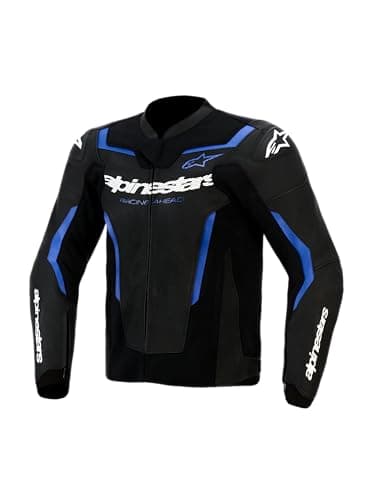
Alpinestars Alpinestars GP Force V2 Airflow
Alpinestars GP Force V2 Airflow

The certification benchmark for leather: fully certified to EN 17092 class AA with Nucleon Flex Plus shoulder and Nucleon Plasma Plus elbow protectors, perforated throughout so it is wearable in summer heat.

Best overall leather
8.3
$529.95Amazon
02
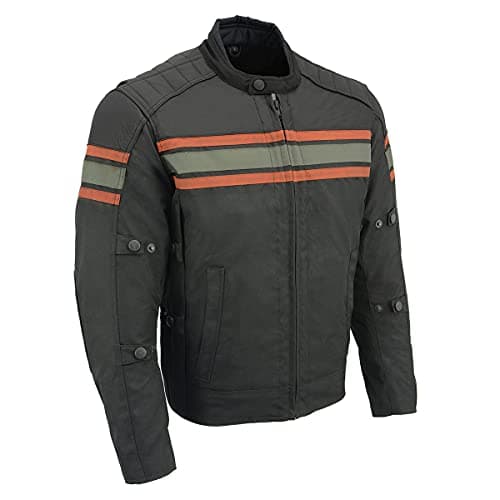
Milwaukee Leather Milwaukee Leather Armored Jacket
Milwaukee Leather Armored Jacket

The affordable way into real leather. A cowhide shell with CE armor and a zip-out liner gives you leather's abrasion resistance and cruiser look without a flagship price.

Best value leather
8.0
$159.99Amazon
03
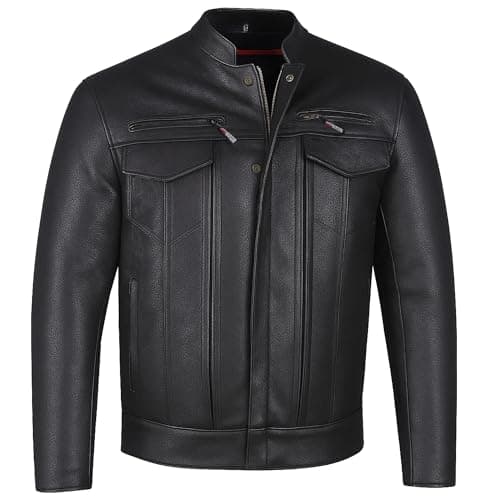
COMMUTER COMMUTER Buffalo Leather Jacket
COMMUTER Buffalo Leather Jacket

Thick buffalo hide with CE armor and real ventilation at a mid-budget price — the pick if you want a heavy, hard-wearing leather that still opens up on a warm day.

Best mid-price leather
8.1
$139.99Amazon
04
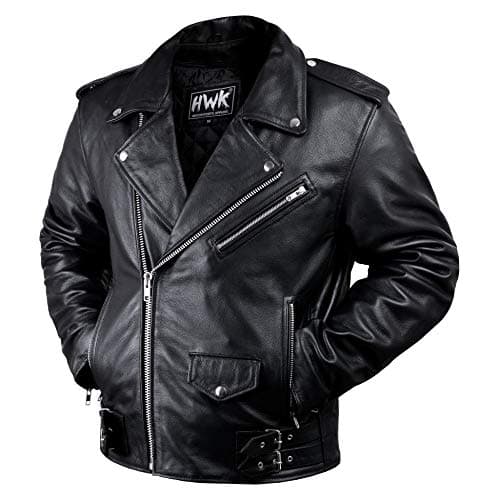
HWK HWK Brando Leather Jacket
HWK Brando Leather Jacket

The cheapest leather jacket here that still ships with CE armor and a thermal liner — a genuine entry point rather than a fashion jacket with a bike badge on it.

Cheapest we'd recommend
8.0
$97.99Amazon

#ad · Live prices from the Amazon Product API, as of Sep 4, 2026. Where we have no verified live price we show none — we would rather leave a gap than print a number that has rotted.

In detail

The picks, in full

01
Alpinestars Alpinestars GP Force V2 Airflow

Best overall leather

Alpinestars GP Force V2 Airflow

EN 17092 AABovine leatherLevel 1 armorPerforated
8.3/10

The certification benchmark for leather: fully certified to EN 17092 class AA with Nucleon Flex Plus shoulder and Nucleon Plasma Plus elbow protectors, perforated throughout so it is wearable in summer heat.

Protection
9.6
Weather range
7.4
Comfort/fit
8.4
Features
9
Value
7

Pros

  • EN 17092 class AA — the abrasion class above the A-rated jackets most riders own
  • Nucleon Flex Plus Level 1 shoulders with GP Lite Evo dynamic friction shields, Nucleon Plasma Plus Level 1 elbows
  • Extensive front and back perforation, so it breathes in a way most leather does not
  • Chest and back protector pockets, plus stretch panels sized for an Alpinestars airbag vest

Cons

  • Costs three to five times the value leathers
  • Race-leaning cut is tight through the shoulders off the bike

Don't buy this if…

you want a relaxed cruiser cut or ride mostly in cold and wet — perforated race leather is neither warm nor waterproof.

$529.95View on Amazon

Price as of Sep 4, 2026. Prices change — Amazon's is the one that counts.

#ad · we may earn a commission from this link to Alpinestars GP Force V2 Airflow

02
Milwaukee Leather Milwaukee Leather Armored Jacket

Best value leather

Milwaukee Leather Armored Jacket

Cowhide leatherCE armorZip-out linerAll-season
8.0/10

The affordable way into real leather. A cowhide shell with CE armor and a zip-out liner gives you leather's abrasion resistance and cruiser look without a flagship price.

Protection
8.4
Weather range
7.2
Comfort/fit
8
Features
7.8
Value
8.8

Pros

  • Genuine leather abrasion resistance at a low price
  • Ships with CE armor and a removable insulated liner
  • Classic cut that suits cruisers and standards

Cons

  • Heavier and hotter than textile
  • Leather needs care and is poor in the rain

Don't buy this if…

you ride in the rain a lot or want the lightest, coolest option — go textile or mesh.

$159.99View on Amazon

Price as of Sep 4, 2026. Prices change — Amazon's is the one that counts.

#ad · we may earn a commission from this link to Milwaukee Leather Armored Jacket

03
COMMUTER COMMUTER Buffalo Leather Jacket

Best mid-price leather

COMMUTER Buffalo Leather Jacket

Buffalo leatherCE armorZip ventsUtility pockets
8.1/10

Thick buffalo hide with CE armor and real ventilation at a mid-budget price — the pick if you want a heavy, hard-wearing leather that still opens up on a warm day.

Protection
8.2
Weather range
7.6
Comfort/fit
7.8
Features
8
Value
8.8

Pros

  • Buffalo hide is thicker and more abrasion-resistant than the thin fashion leathers at this price
  • Ships with CE armor rather than foam pads
  • Zip ventilation and utility pockets — unusual on a budget cruiser jacket

Cons

  • No EN 17092 garment class published, only CE armor
  • Heavy, and stiff until it breaks in

Don't buy this if…

you want a certified garment class on the label — this one publishes armor certification but not an EN 17092 rating.

$139.99View on Amazon

$179.9922% off

Price as of Sep 4, 2026. Prices change — Amazon's is the one that counts.

#ad · we may earn a commission from this link to COMMUTER Buffalo Leather Jacket

04
HWK HWK Brando Leather Jacket

Cheapest we'd recommend

HWK Brando Leather Jacket

Leather shellCE armorThermal linerWater-resistant
8.0/10

The cheapest leather jacket here that still ships with CE armor and a thermal liner — a genuine entry point rather than a fashion jacket with a bike badge on it.

Protection
7.4
Weather range
7.8
Comfort/fit
8.2
Features
7.6
Value
9.2

Pros

  • CE armor included at the very bottom of the leather price range
  • Zip-out thermal liner extends it into cold weather
  • Classic Brando cut that wears as an ordinary jacket off the bike

Cons

  • No EN 17092 garment class published
  • Thinner hide than the buffalo and race leathers above it

Don't buy this if…

you ride fast road or track miles — step up to an EN 17092 AA-rated leather for that.

$97.99View on Amazon

Price as of Sep 4, 2026. Prices change — Amazon's is the one that counts.

#ad · we may earn a commission from this link to HWK Brando Leather Jacket

EN 17092: the number that separates a riding jacket from a fashion jacket

EN 17092 is the European standard written for motorcycle garments, and it grades the finished jacket — the leather, the seams, the construction — rather than just the armor bolted into it. AAA is the top class, built for the highest-speed abrasion. AA is the class most serious road and sport leathers sit in. A is the urban and touring class. A jacket with no published class is not necessarily bad, but nobody has tested the garment to a motorcycle standard, and you are trusting the hide. The GP Force V2 is the only jacket on this page with a published class, and that is the single biggest reason it ranks first. The whole grading system, armor levels included, is in our CE armor levels guide.

Armor is separate from the garment class — check both

The two certifications answer different questions. EN 17092asks "does this jacket survive a slide?" EN 1621-1asks "does this armor absorb an impact?", and rates the pads Level 1 or the tougher Level 2. A jacket can have excellent armor stitched into a shell that shreds, or a superb hide with foam pads pretending to be armor. Every jacket here ships with CE armor rather than foam, which is the floor we insist on. Where the maker publishes only the armor rating and not a garment class — the Milwaukee, COMMUTER and HWK — we have said so in the cons rather than implying a grade nobody has awarded.

Hide matters: cowhide, buffalo and the thickness question

Not all leather is the same. Cowhide is the default — a good balance of abrasion resistance, weight and cost, and what most road leathers use. Buffalo is thicker and coarser, tougher for the money but heavier and stiffer until it breaks in. Goatskin is supple and light, common in gloves and race suits. What you actually want to know is thickness, usually given in millimeters: around 1.2-1.4 mm is proper riding leather, while a 0.8 mm fashion jacket looks identical on a rack and offers a fraction of the slide resistance. When a listing does not say, the price and the weight of the jacket in your hands are the honest tells.

Perforation is what makes leather survivable in summer

The great weakness of leather is heat. A solid hide is essentially a windproof shell, which is wonderful in October and miserable in a July traffic jam. Two things fix it: perforation — thousands of small holes punched through the panels, as on the GP Force V2 Airflow — and zip vents on the chest, arms and back, as on the COMMUTER. Perforated leather keeps most of its abrasion resistance while letting air through; it is the reason race leathers work in summer heat. If you only own one jacket and you ride in the heat, buy a perforated or vented one. If summer riding is most of your year, compare against our best summer jackets instead.

Fit: buy it tight, and buy it for on the bike

A leather jacket should feel slightly too snug in the shop. Leather stretches and molds as it breaks in, so a jacket that is comfortable-loose on day one is sloppy in a season — and a sloppy jacket lets its armor wander off your shoulder and elbow, which is the whole point of the armor. Check fit in a riding position, not standing upright: reach forward for imaginary bars and confirm the sleeves still reach your wrists and the back still covers your kidneys. Then check that the shoulder and elbow pads sit on the joint in that position. Armor in the wrong place protects nothing.

Which one should you buy?

Buy the Alpinestars GP Force V2 Airflow if you want a published EN 17092 AA class and Level 1 armor front and back, and you ride fast road miles. Buy the Milwaukee Leather if you want real cowhide, CE armor and a zip-out liner at a price that leaves money for the rest of your kit. Buy the COMMUTER buffalo jacket if you want a thicker hide and vents you can open. Buy the HWK Brando if the choice is between cheap leather with CE armor and riding in a hoodie — that is not a close call. Whichever you pick, our jacket buying guide walks the decision in order, and caring for it properly is what keeps leather protective for a decade.
How we picked

We don't test helmets. Here's what we do instead.

Everyone in this category says they tested twenty helmets. We haven't tested any — and we say so. What we do instead: compile the published DOT, ECE 22.06 and Snell certifications, the manufacturer's fit, weight and shell specs, the CE armor levels, and reputable published reviews, then score each pick against a published rubric. The scores are judgments from documented research — not measurements we took, because we do not run a lab and we are not going to pretend we do. Every certification and spec claim traces to a source we name and link.

Questions

Frequently asked

Is leather better than textile for motorcycle riding?
For pure abrasion resistance at a given weight, leather is still the benchmark, which is why race suits are leather. Textile wins on weather range, weight, ventilation and price, and modern EN 17092 AA textiles close much of the abrasion gap. The honest answer is that it depends on your riding — we lay it out in leather vs textile.
What does EN 17092 AA mean on a leather jacket?
EN 17092 is the CE standard for motorcycle garments, and AA is its middle class — above the urban A class and below the AAA class used for race-level protection. An AA jacket has been tested as a finished garment for abrasion, seam strength and tear resistance, not just fitted with certified armor.
Can you wear a leather motorcycle jacket in summer?
Yes, if it is perforated or vented. Solid leather is effectively windproof and gets genuinely unpleasant in traffic. Perforated leather keeps most of its abrasion resistance while letting air through, which is why race leathers work in summer heat. A solid, unvented jacket is a spring-and-autumn garment.
How thick should motorcycle leather be?
Roughly 1.2-1.4 mm is the range used for genuine riding leather. Fashion leather jackets are often around 0.8 mm and look almost identical on a rack while offering far less slide resistance. If a listing does not publish a thickness, weight in the hand and the presence of CE armor are the practical tells.
Does a leather jacket need armor?
Yes. Leather handles abrasion — the sliding — but does nothing about impact. CE armor rated to EN 1621-1 at the shoulders and elbows, plus a back protector, is what absorbs the hit. Every jacket ranked here ships with CE armor rather than foam pads; see CE armor levels explained for what the levels mean.

Keep reading

Receipts

Sources

We do not run a testing lab, and we do not pretend to. Our picks are built from published certifications, manufacturer spec sheets, the standards documents themselves, and reputable published reviews — named and linked above. Where we could not verify something, we say so on the page rather than quietly leaving it out. Read our full method.