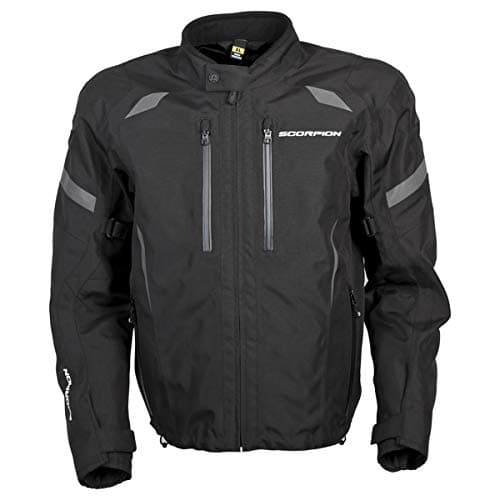
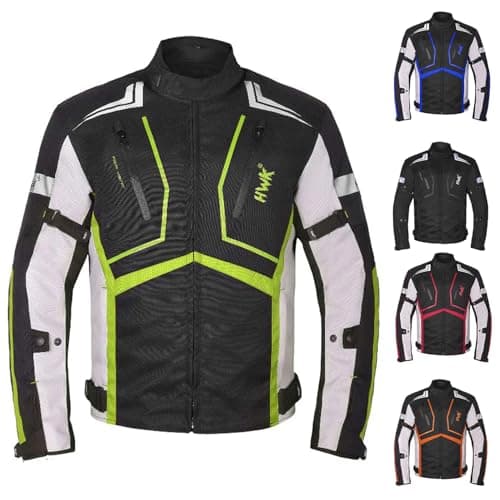
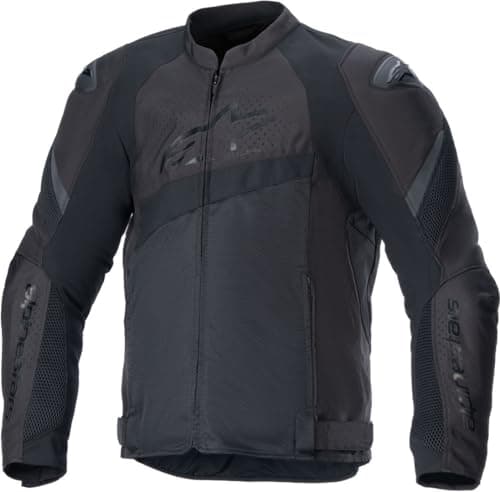
Summer is when the most gear gets left in the garage. It's hot, a jacket feels like a sauna, and "just this once" in a t-shirt is how riders end up with road rash over half their body. The fix is a jacket built to flow air— full mesh or heavily vented textile — so you stay cool enough to keep wearing it while the CE armor stays exactly where it needs to be. We didn't crash-test these; we compiled the shell construction, the CE armor each ships with, and the ventilation design, then ranked on how well they trade airflow against protection.
Our top pick is the Alpinestars T-GP Plus V4 Airflow: a genuine large-panel mesh construction that flows air like an open window, CE-certified shoulder and elbow protection, and a sport fit that stays put at speed. Below it, the Scorpion Optimais a vented three-season textile that's more adaptable if summer isn't your only season, and the HWK textile is the cheapest way to get an armored, ventilated jacket on your back. Every pick here carries impact armor — a mesh jacket without armor is just a shirt.
Two honest points. First, mesh trades abrasion resistance for airflow — it protects far better than street clothes but a touch less than heavy textile or leather, so match it to your speeds. Second, most of these ship with foam or basic armor; upgrading to CE Level 2 inserts and adding a back protector is the highest-value safety buy you can make. For the full material trade-off, read leather vs textile.
How we ranked hot-weather jackets
Airflow first — a summer jacket you won't wear isn't protecting you — then the armor it ships with and can accept, then abrasion resistance for your riding speeds, then fit and value. True mesh (like the T-GP) flows the most air; vented textiles seal better in cool mornings and shoulder seasons. The right pick depends on whether you ride only in high summer or need one jacket for three seasons.
Buying a jacket you'll actually wear in the heat
Match the airflow to your climate. If your riding season is genuinely hot, go full mesh for maximum flow; if you ride cool mornings and hot afternoons, a vented textile with a removable liner adapts better. Either way, check the jacket ships with CE armor at the shoulders and elbows, and that it has a back-protector pocket you can fill — most come with foam there, which you should upgrade.
Fit matters more in mesh.Armor only protects if it stays over the joint, so a summer jacket should be snug enough that the shoulder and elbow pads don't slide in a tumble — use the size chart and the connection zipper to your riding pants if it has one. Round out the hot-weather kit with ventilated summer gloves, and see the gear guide for the rest.
How we picked
Everyone in this category says they tested twenty helmets. We haven't tested any — and we say so. What we do instead: compile the published DOT, ECE 22.06 and Snell certifications, the manufacturer's fit, weight and shell specs, the CE armor levels, and reputable published reviews, then score each pick against a published rubric. The scores are judgments from documented research — not measurements we took, because we do not run a lab and we are not going to pretend we do. Every certification and spec claim traces to a source we name and link.