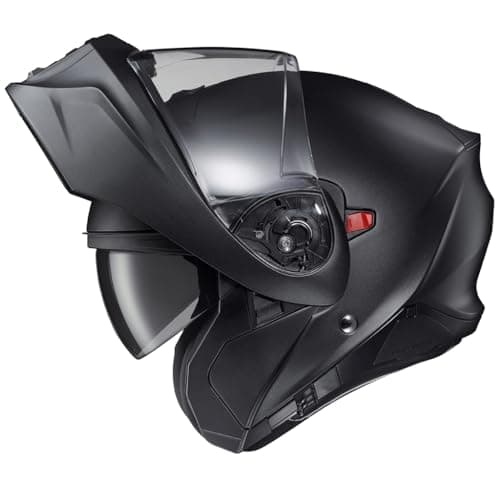
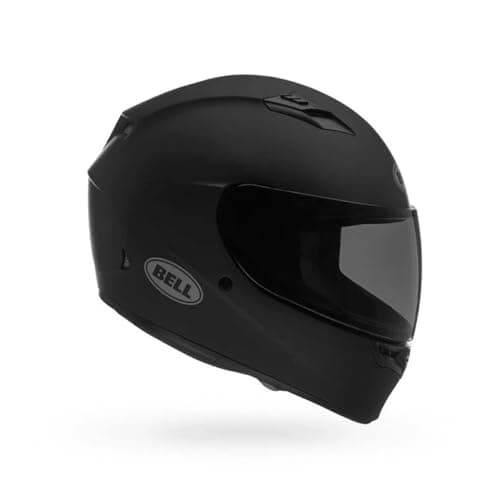
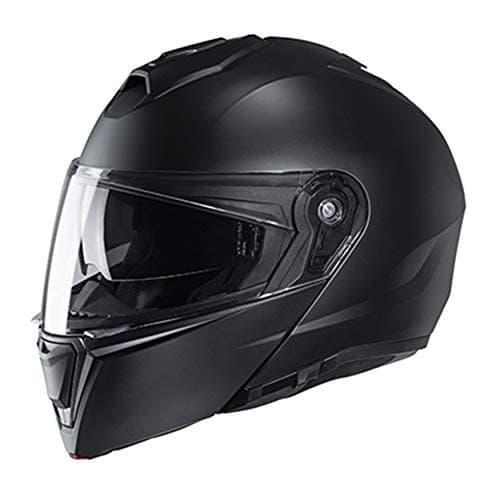
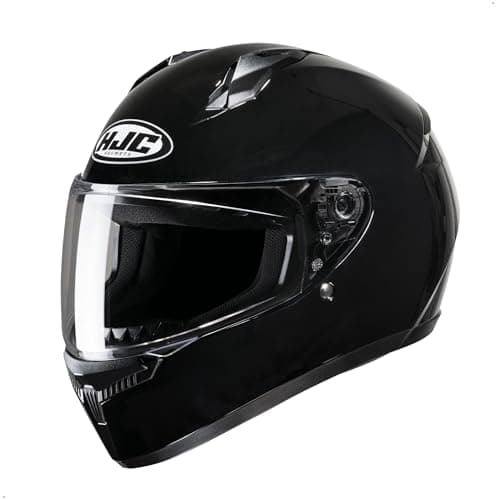
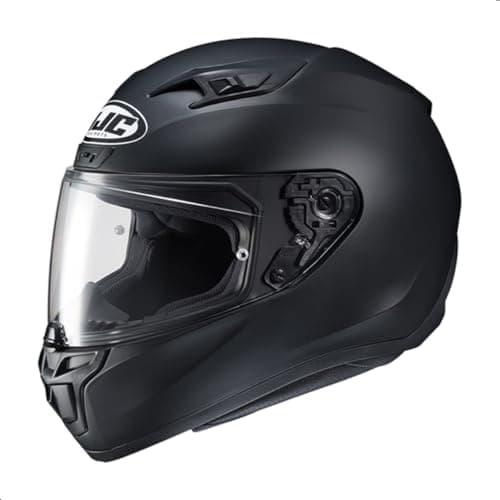
Cruiser riders gravitate toward a certain look — clean lines, a classic profile, sometimes an open face and a wind-in-the-beard ride. We get it, and we're not here to lecture. But the protection math is the same on a cruiser as on a sportbike: the chin bar covers the area that takes a large share of impacts, and a real certification is non-negotiable. So we ranked certified lids that look right on a cruiser and still protect — favoring comfortable, upright-friendly fits and, where you want it, a convertible shell that opens up. We didn't crash-test any of these; we compiled certifications, fit and features, then ranked.
Our top pick is the HJC i10: DOT and Snell M2020 certified, a comfortable rounder-to-intermediate fit that suits the upright cruiser posture, and understated looks for a fifth of a flagship's price. Want the option to ride open? The Scorpion EXO-GT930 converts between full-face, modular and open-face from one certified shell — the most flexible cruiser lid here. The Bell Qualifier is the classic budget full-face that genuinely fits rounder heads, the value modular HJC i90 flips up at stops, and the HJC C10 is the safest way to spend the least.
One honest word on open-face and half helmets: they suit cruiser style, but they give up the chin protection that matters most in a face-first impact. If you ride open, pair it with proper eye protection and understand the trade-off — our types of helmets guide lays it out. If it is the vintage look you are after rather than the open air, our best retro motorcycle helmets ranking covers certified full-faces styled the same way. For the certification detail, read DOT vs ECE vs Snell, and avoid any "novelty" lid sold as not-for-road-use.
Choosing a cruiser lid without giving up protection
The cruiser sweet spot is a certified helmet you'll actually keep on: comfortable for an upright riding position, quiet enough for highway slabs, and styled so it doesn't fight the bike. A convertible like the GT930 lets you close it up on the interstate and open it around town; a classic full-facelike the i10 or Qualifier keeps things simple and protective. The one thing to skip is a helmet that isn't certified at all — style is never worth an uncertified shell.
Fit and comfort on a cruiser
Cruisers put you upright with the wind hitting your chest and chin, so fit and a good neck-roll seal matter for both comfort and quiet. Measure correctly (our sizing guide), pick the shape that matches your head (HJC and Bell suit rounder heads well — see head shapes), and favor a lid with a wind collar if you ride a lot of highway.
If classic looks and airflow pull you toward an open-face, at least step up from a half helmet to a certified open-face with eye protection — you keep more of your head covered. And whatever you choose, don't skimp on the rest of the kit; our gear guide covers gloves, jacket and boots in priority order.
How we picked
Everyone in this category says they tested twenty helmets. We haven't tested any — and we say so. What we do instead: compile the published DOT, ECE 22.06 and Snell certifications, the manufacturer's fit, weight and shell specs, the CE armor levels, and reputable published reviews, then score each pick against a published rubric. The scores are judgments from documented research — not measurements we took, because we do not run a lab and we are not going to pretend we do. Every certification and spec claim traces to a source we name and link.