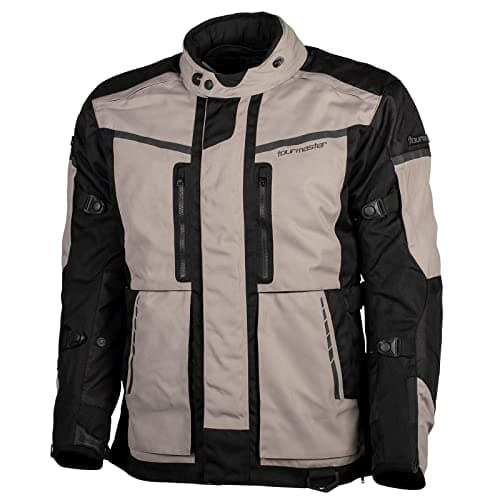
The best motorcycle jacket under $200 is the Tourmaster Transition— and it is also one of the cheapest things on this page, which tells you most of what you need to know about this price band. It publishes CE EN 1621-1 Level 2 shoulder and elbow armor, a 600-denier shell with 1000-denier overlays, a Reissa zip-out waterproof liner and a separate thermal vest liner. Nothing above it in price publishes more. The budget pick is the HWK Cordura textile jacket, the cheapest jacket here by a wide margin: a Cordura shell with armor and a removable waterproof liner, whose armor is basic and carries no published level and whose fit and finish are budget-grade — both of which are in its cons below. We have not tested any of these jackets. Every armor level, denier figure and hide thickness here comes from the maker's or the retailer's published spec sheet, and every price in the table below is a live Amazon figure stamped with the date it was pulled.
The price ceiling, checked
As of November 19, 2026, all 9 of the jackets below with a verified live price were listed at or under $200. Amazon prices move daily; the comparison table below always shows the current figure, and shows nothing where we have no verified price.
The one fact that shapes this whole page
Not one jacket under $200 publishes an EN 17092 garment class. Not AAA, not AA, not A, not B or C. We looked for it on all nine and it is missing on all nine, and each card below says so in its own cons rather than leaving you to notice.
That matters because EN 17092 is the only number that rates the jacket. The CE armor level rates a slot-in pad; the garment class rates the shell — its abrasion resistance, seam strength, tear strength and impact-cut resistance, zone by zone, measured on the finished garment. A jacket can ship Level 2 armor and still have a shell nobody has ever put on an abrasion wheel. EN 17092 explained is the standard itself in plain English, and it is worth ten minutes before you spend anything.
Why is it missing down here? Because certifying a finished garment to EN 17092 is paid for per style, and at this price the margin will not carry it. The money goes into the armor instead, because an armor supplier has already paid for its own EN 1621-1 certificate and the jacket maker gets to print the level for free. That is not a conspiracy, it is arithmetic — and it means a buyer under $200 has to rank on proxies.
How this ranking was built
First, the armor level that is actually in the box. A published EN 1621-1 Level 2shoulder and elbow set beats Level 1, which beats a bare "CE armor" claim with no level, which beats foam padding. Level 2 means the protector transmitted a lower peak force in the standard's impact test than Level 1 is allowed to — it is a pass/fail threshold, not a star rating, so a cheap jacket with Level 2 armor and a flagship with Level 2 armor cleared the same bar. CE armor levels explained has the detail.
Second, published shell evidence. With no garment class to read, the denier number or the hide thickness is the only thing a maker prints about the shell. It is a weak proxy and we will say so: denier is yarn weight, not abrasion resistance, and millimeters of leather are not an abrasion rating. But a maker who prints 500-denier body with 1680-denier abrasion zones has told you something checkable, and a maker who prints nothing has told you nothing. Two of the nine publish real fabric numbers. One publishes a hide thickness. The rest publish neither.
Third, the back. Almost every jacket in this band ships a foam pad in the back pocket, which is a placeholder and not a protector. What separates the picks is whether that pocket is cut to take a certified insert and whether the maker names the insert that fits. A jacket that names its upgrade path has solved your next purchase for you; a jacket with a sewn-in foam slab has not.
Then weather range, then value. Two liners beat one. A waterproof layer in the shell beats a drop-in liner inside a shell that wets through first. Vents that open beat perforation that does not close. Nothing here is scored on a test we ran; the rubric is on our methodology page.
What $200 buys, and what it does not
It buys Level 2 armor.That is the headline, and it is a relatively recent change. Three picks here publish Level 2 shoulder and elbow protectors as standard — the Tourmaster, the ScorpionEXO Yosemite with its Sas-Tec set, and the 1909 with its fitted SAS-Tec armor. Level 2 in the box used to be a premium-jacket feature.
It buys a real waterproof layer— the Tourmaster's Reissa liner, the Yosemite's AirGuard liner, FLY's Hydraguard shell. It buys genuine leather with a published thickness, in the 1909's case 1.4 mm top-grain hide. And it buys a second liner, which is the cheapest way to turn one jacket into a three-season jacket.
What it does not buy is a certified garment, as above. It also does not buy a laminate— every waterproof jacket here is either a drop-liner or a coated shell, so the outer fabric soaks before the membrane starts working. It does not buy a back protector in the box: not one of the nine includes a certified back insert, and the honest way to read these prices is jacket plus insert. And it does not buy the category winners — the AA and AAA-class jackets that top our main jacket ranking sit well above this ceiling and are deliberately absent.
Pick by the riding, not by the discount
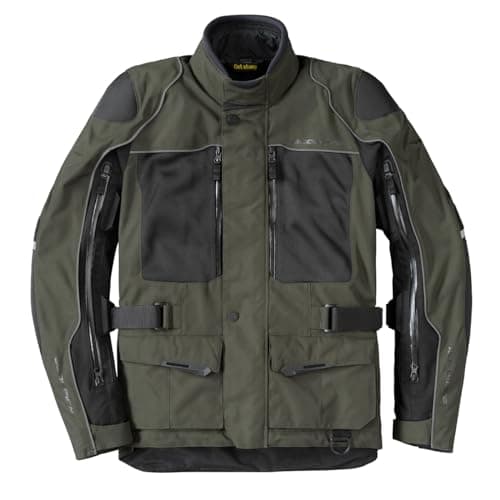
Wet commuting: the Tourmaster Transition.Level 2 shoulders and elbows, two liners, published deniers and an Aqua-Barrier hood that genuinely stops water running down the back of your neck — at the bottom of this price band. The compromise is the drop-liner construction: the shell wets through before the membrane does its job, which is damp and heavy rather than dangerous. If rain is the whole problem, our waterproof jacket ranking explains the laminate-versus-drop-liner split properly, with picks above this cap.
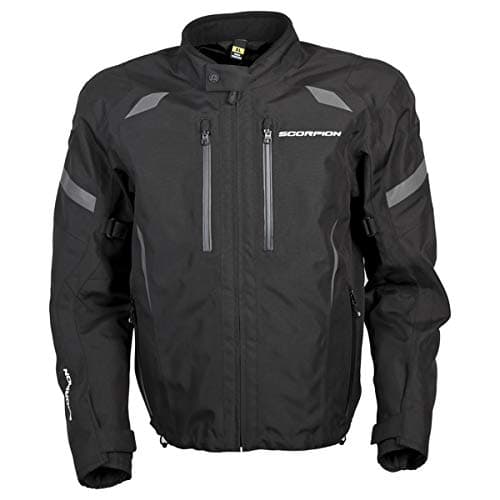
Three-season commuting with evidence: the ScorpionEXO Yosemite.The most-documented shell on the page — 500-denier nylon body, 1680-denier abrasion zones — with Sas-Tec Level 2 shoulder and elbow armor and two full-sleeve liners. Scorpion calls it water resistant with a zip-in liner, not a storm jacket, and the back pad is PE foam with the Sas-Tec Level 2 insert sold separately. It is the pick for a rider who wants numbers to read before buying.
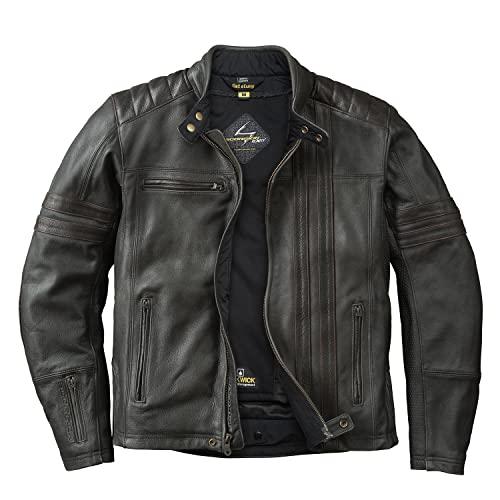
Classic looks that are still riding gear: the ScorpionEXO 1909.The only pick here that arrives as finished equipment — SAS-Tec CE armor already fitted in the shoulders and elbows, 1.4 mm top-grain hide, perforated vent panels, a removable thermal liner and a pocket waiting for a back protector. Retailer listings disagree on the armor level and on whether armor ships on every variant, so confirm what your SKU includes. Our cruiser jacket ranking is the wider version of this question, including the jackets that come with pockets and no armor.
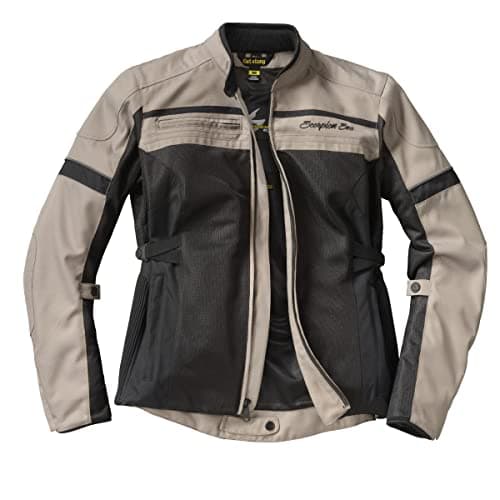
Hot-weather riding, women's cut: the ScorpionEXO Cargo Air Women's. A Rhino-Mesh chassis with 600-denier panels that moves real air rather than a few token vents, Safe Tech CE Level 1 shoulder and elbow armor included, and a back pocket already sized for a Sas-Tec Level 2 insert. It is Level 1 where the top three are Level 2, and mesh has no answer for cold or rain. Our women's jacket ranking covers the cut question across the whole price range, including the one EN 17092-classed women's jacket we could find.
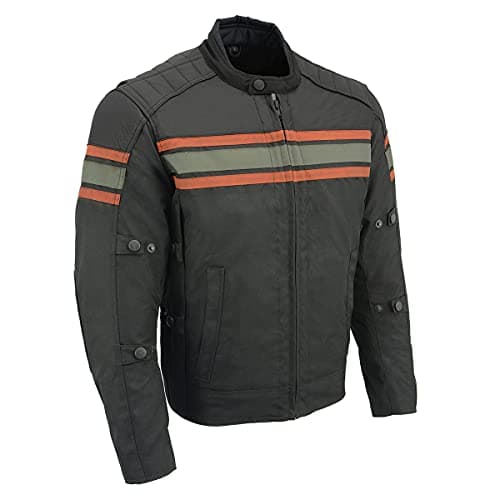
Leather on a budget: the Milwaukee Leather armored jacket.Cowhide with CE armor and a zip-out liner, in a cut that suits cruisers and standards. Heavier and hotter than textile, poor in rain, and no garment class — but genuine hide abrasion resistance at a price that usually buys polyester. Leather vs textile is the trade in full.
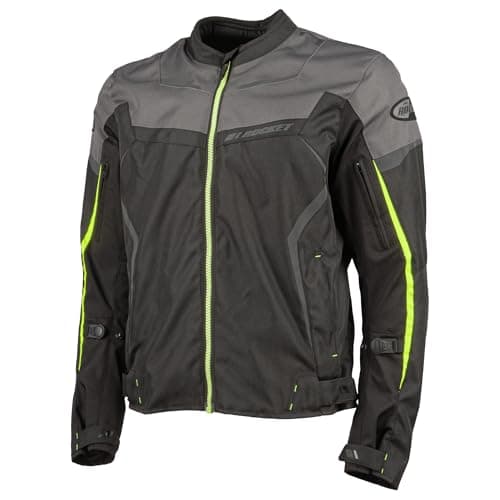
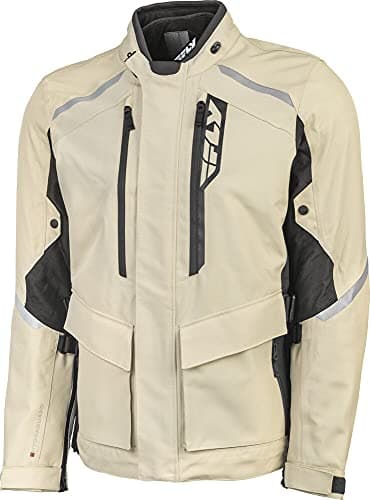
Unsealed roads and tall sizes: the FLY Racing Terra Trek.The waterproofing is in the shell rather than a liner — FLY describes Hydraguard as windproof, waterproof and breathable — and the size range runs to 4XL with tall variants, which matters more than it sounds if standard jackets leave your wrists bare. It ranks eighth because FLY publishes the least: no denier, no garment class, and Level 1 armor where the top of the page is Level 2. Our adventure jacket ranking has the documented versions of the same idea.
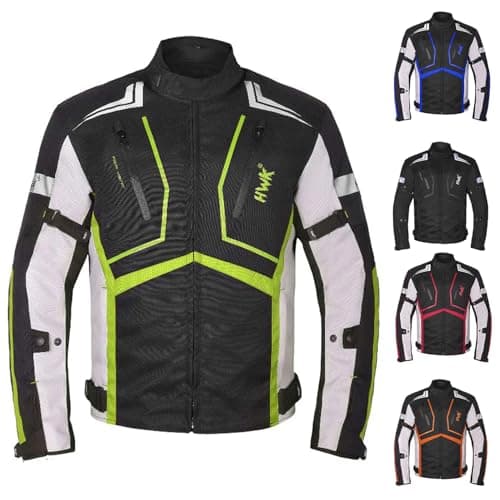
The cheapest jacket we would actually recommend: the HWK Cordura.A Cordura shell with armor and a removable waterproof liner, at a price where buying a riding jacket stops being a decision. The armor is basic and no level is published; the fit and finish are what the price implies. It is on this page because an armored jacket you own beats a Level 2 jacket you are still saving for — and because the gap between it and ordinary clothing is far larger than the gap between it and the winner.
The two purchases to make with the money you saved
A certified back protector. None of these nine includes one, and every one of them has a pocket for one. It is the single highest-value add-on in motorcycling: the spine is the one thing on the list that does not heal. Our back protector ranking covers the EN 1621-2 Level 1 and Level 2 inserts that drop into these pockets, and a back protector under a jacket explains when a strap-on harness beats an insert.
Something for your legs.A jacket under $200 leaves roughly half of you in cotton. Armored riding jeans are the only protective legwear most street riders will actually put on, and the same arithmetic applies down there — our riding jeans under $150 ranking is built on the same published-armor-level logic as this page, for the same reason. If the budget stretches to gloves too, the gauntlet gloves in our sportbike glove ranking are the one category of glove on this site where EN 13594 levels are routinely published.
The one thing not to compromise on
Fit, because the armor level is awarded to a jacket worn in the right size. A Level 2 shoulder protector that sits halfway down your bicep is a Level 2 protector protecting your bicep. Price pressure pushes riders toward whatever size is in stock, and this is the band where that happens most. Our jacket fit guide walks the armor-position and displacement checks in the order the test labs run them, and the jacket size chart covers measuring over a base layer rather than over a t-shirt. If none of these nine is the answer, our budget jacket ranking frames the same shelf as a first purchase rather than as a price ceiling.